Minerva between Geometry and Arithmetics
Paul Véronèse · 1551
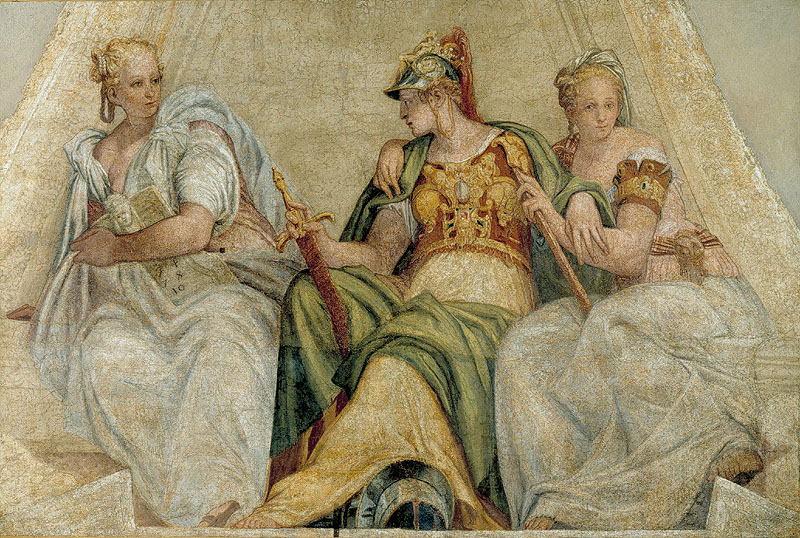
Minerva sits between two women of numbers, one hand of Arithmetic hiding beads on an abacus. This fresco was cut from the walls of a palace just before it was torn down in 1817, and travelled to London and back.
The story behind the painting
Minerva between Geometry and Arithmetic is a fresco fragment usually attributed to Paolo Veronese, though some art historians give it to Anselmo Canera or Giambattista Zelotti. Wikipedia dates it to 1550, Wikidata to 1551. It was painted for the Palazzo de Soranzi in Castelfranco Veneto, whose decoration was designed by the architect Michele Sanmicheli for the Venetian patrician Piero Soranzo. Young painters from Verona, including Zelotti, Canera, Bernardino India and Veronese, frescoed its four side rooms, main hall and atrium.
What to look for
At the centre is Minerva, flanked by the personifications of Geometry and Arithmetic. Look closely at Arithmetic's abacus, because the numbers have prompted debate. Some read the beads hidden by her hand, 1, 2, 5, 6 and 9, which add up to 23. Others read the visible numbers, 3, 4, 7, 8 and 10, which add up to 32. The fragment measures about 190 by 284 cm according to Wikidata, a large piece of painted wall that survived the end of the building it was made for.
Meaning and intent
The numbers may carry a private meaning for the family. Those who read 23 argue it could stand for Veronese's age at the time, or for 1523, the year Piero Soranzo married Francesca Emo. Those who read 32 suggest it counts the years the couple had been married when they built the palazzo around 1550. None of these readings is settled in the sources. Either way, the goddess of wisdom seated between the arts of measuring and counting suits a learned patrician house.
Legacy
In 1817 the palazzo was completely demolished on the orders of its last owner, Francesco Maria Barbaro. Prompted by the London dealer Giovanni Vendramini, Filippo Balbi removed some frescoes with a new technique; sources disagree whether 156 or 108 fragments were saved. This one appeared in an 1826 London catalogue as Minerva between Mensuration and Calculation, and Vendramini made a print of it the next year, calling it The Bellona. After being sold three times in a century, it was acquired by the Regione Veneto in 2002 and is now in the Palazzo Balbi in Venice.
Le saviez-vous ?
- Fresco fragment from the Palazzo de Soranzi, Castelfranco Veneto, around 1550.
- Usually attributed to Veronese; some name Canera or Zelotti.
- Saved when the palazzo was demolished in 1817.
- Acquired by the Regione Veneto in 2002; now in the Palazzo Balbi, Venice.
À propos de l'artiste
Paul Véronèse (1528-1588)
peinture mythologique · maniérisme · Minerve
Autres œuvres de Paul Véronèse
 Les Noces de Cana - Paolo Veronese (1560s)
 Le Repas chez Levi - Paolo Veronese (1573)
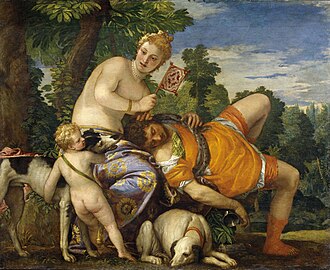 Vénus et Adonis - Paolo Veronese (1580)
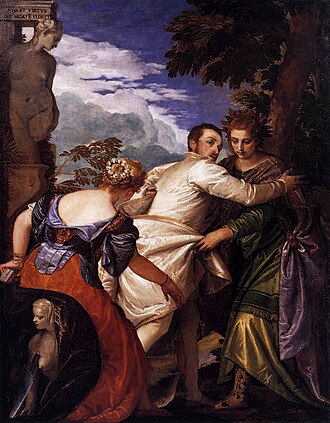 Allégorie du Vice et de la Vertu - Paolo Veronese (1565)
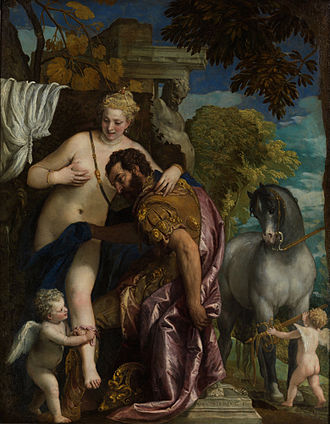 Vénus et Mars - Paolo Veronese (1570s)
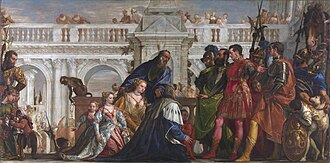 La Famille de Darius devant Alexandre - Paolo Veronese (1565)
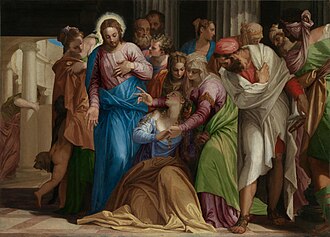 The Conversion of Mary Magdalene - Paolo Veronese (1548)
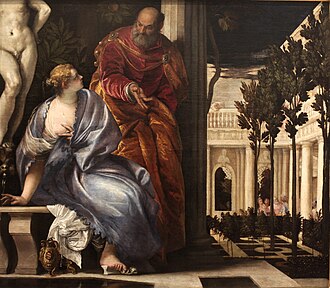 Bethsabée au bain - Paolo Veronese (1575)
Œuvres d'artistes liés
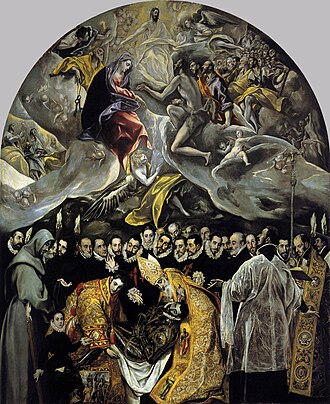 L'Enterrement du comte d'Orgaz - El Greco (1586)
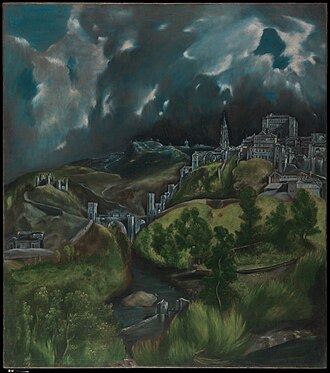 Vue de Tolède - El Greco (1596)
 La Cène - Jacopo Tintoretto (1563)
 Miracle de l'esclave - Jacopo Tintoretto (1540s)
 Vénus d'Urbin - Titian (1538)
 L'Assomption de la Vierge - Titian (1510s)
 Le Souper à Emmaüs - Caravaggio (1601)
 La Vocation de saint Matthieu - Caravaggio (1609)
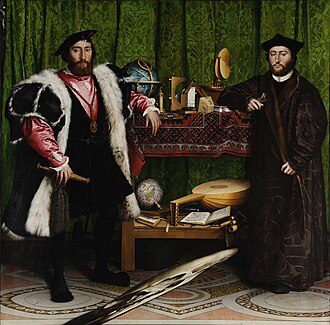 Les Ambassadeurs - Hans Holbein the Younger (1533)
 Le Christ mort - Hans Holbein the Younger (1520s)