Tobit and Anna with the Kid
Rembrandt van Rijn · 1626
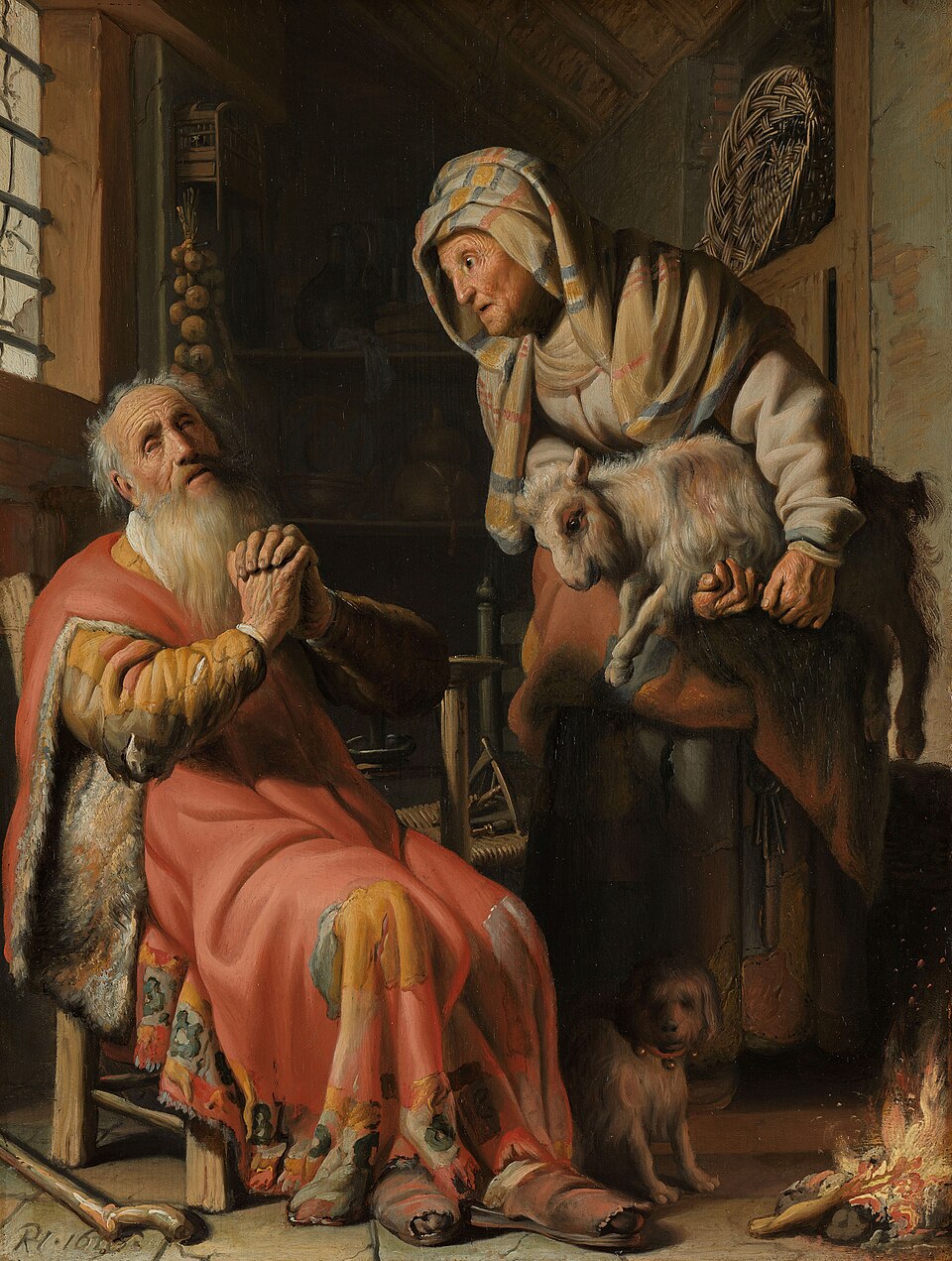
A blind old man hears a young goat bleating and believes his wife has stolen it. She still holds the animal, hurt by the accusation, while he prays for death. Rembrandt painted this small, intense scene in the year he turned twenty.
The story behind the painting
The subject comes from the deuterocanonical Book of Tobit. Tobit has been blinded in an accident, and to keep the family from poverty his wife Anna sews and makes cloth for the neighbours, who pay her in kind. One day she brings home a kid as her wages. Hearing it bleat, Tobit fears she has stolen it and accuses her of sin. Anna sharply denies it, and Tobit begins to pray to God for death. Later in the story their son Tobias, guided by the angel Raphael, restores their fortunes and cures his father's blindness with a fish caught in the Tigris.
What to look for
The picture is signed at lower left RH 1626. Rembrandt focuses on the key threads: Anna, the goat still in her hands, has just heard the accusation and indignantly denies it, while Tobit is deep in prayer. At his feet sits a small dog, a symbol of Tobit's fidelity and trust in God's justice. Like most works of Rembrandt's first Leiden period, it is rich in colour and human emotion. The panel is small, about 39.5 by 30 cm.
Meaning and intent
The painting catches the moment when Tobit's faith in his wife's honesty is shaken. Michael Kitson saw it as an early and excellent example of Rembrandt's lifelong fascination with old people. The artist's mother may have posed for Anna, which gives the domestic quarrel a very personal closeness. Nothing here is grand or heroic: a poor household, a misunderstanding about a goat, and a faithful man so worn down by suffering that he asks to become earth. Rembrandt makes that private pain the whole subject.
Legacy
Art historian Gary Schwartz called it Rembrandt's first truly accomplished painting. Rembrandt's teacher Pieter Lastman had painted a scene from the end of the Tobit story, and Rembrandt himself later returned to it in The Archangel Raphael Leaving Tobias' Family. While Tobias and the Angel travelling through the desert was already an established subject in European art, Dutch Golden Age painters also explored the other episodes of the book, as Rembrandt does here. The work is now in the Rijksmuseum in Amsterdam; Wikidata also links it to the Thyssen-Bornemisza family collection.
¿Sabías que…?
- Signed and dated RH 1626, painted when Rembrandt turned twenty.
- Scene from the Book of Tobit.
- The artist's mother may have posed for Anna.
- Now in the Rijksmuseum, Amsterdam.
Sobre el artista
Rembrandt van Rijn (1606-1669)
arte religioso · pintura del Siglo de oro neerlandés · Rijksmuseum · Colección Thyssen-Bornemisza
Más obras de Rembrandt van Rijn
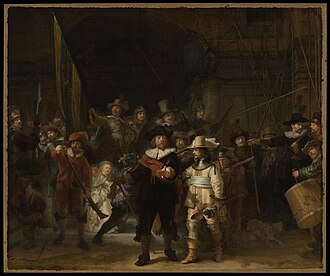 La ronda de noche - Rembrandt van Rijn (1642)
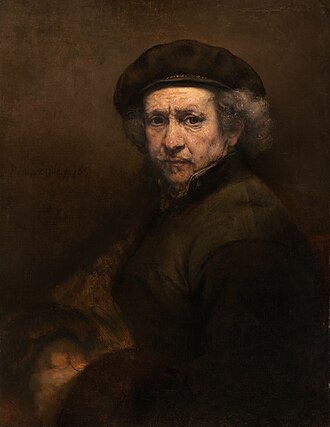 Autorretrato - Rembrandt van Rijn (1659)
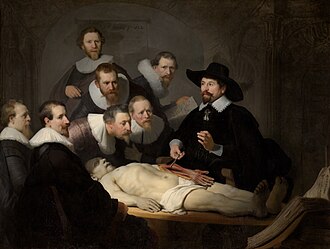 Lección de anatomía del Dr. Nicolaes Tulp - Rembrandt van Rijn (1632)
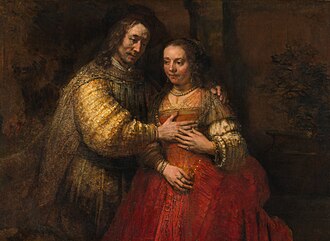 La novia judía - Rembrandt van Rijn (1660s)
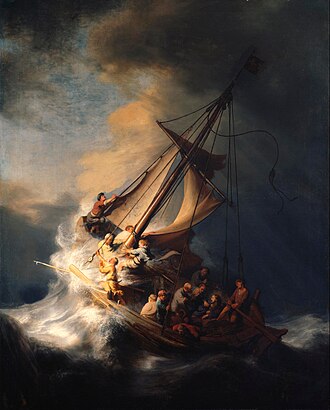 La tormenta en el mar de Galilea - Rembrandt van Rijn (1633)
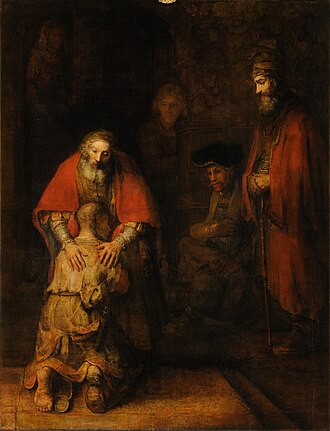 El retorno del hijo pródigo - Rembrandt van Rijn (1668)
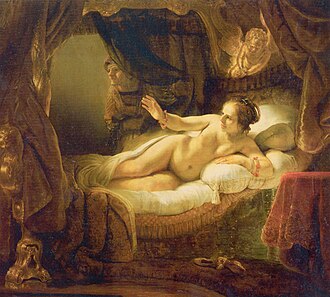 Dánae - Rembrandt van Rijn (1636)
 Banquete de Belsasar - Rembrandt van Rijn (1636)
Obras de artistas relacionados
 La joven de la perla - Johannes Vermeer (1665)
 La lechera - Johannes Vermeer (c. 1658)