El molino
Rembrandt van Rijn · 1645
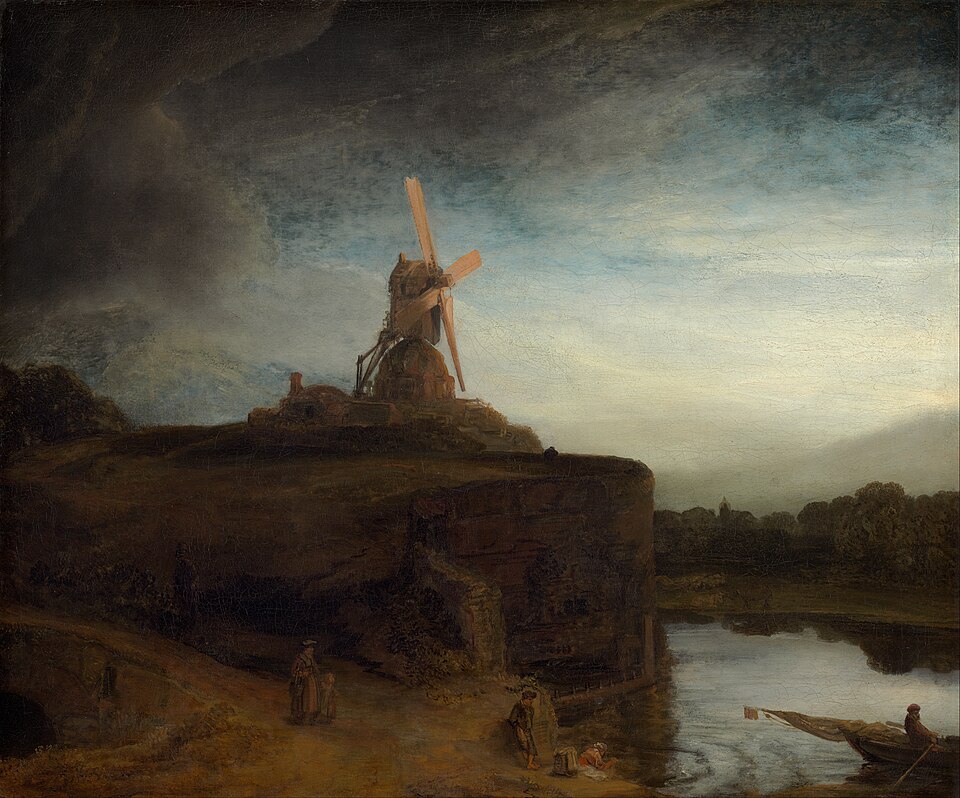
A windmill stands high on an old bastion against a darkening sky, lit by the last rays of evening, while below a woman washes linen at the water's edge. Few landscapes are so famous, and so argued over.
The story behind the painting
The Mill is in the permanent collection of the National Gallery of Art in Washington. For a long time the attribution to Rembrandt was considered doubtful. It has been restored in recent years, though it is not universally accepted. Wikidata dates it 1645, while the scholar Cornelis Hofstede de Groot, cataloguing it in 1915, wrote that it was painted about 1650. The picture belonged to the famous Orleans Collection and was sold with it in 1798. It later hung at Bowood in the collection of the Marquess of Lansdowne, before passing in 1911 to Peter Arrell Brown Widener in Philadelphia.
What to look for
Hofstede de Groot described it carefully. Beside a broad moat, high on the circular wall of a ruined bastion, stands a windmill with some low cottages. A path leads over a little bridge across a sluice to a landing post. A woman with a child goes down to the water, a man pushes a barrow uphill, and in the centre foreground a woman washes linen while a man behind watches her. From the right comes a ferry, its mast down, rowed by a man. On the far bank, among dense trees, are cows and a cottage. The last sun lights the right half of the sky.
Meaning and intent
Look at the four sails of the mill. The raised vane is light against a dark sky, the one opposite is dark against light. The other two are quieter: the one pointing toward us is dark against dark, the far one light against light. Each vane thus shows one of the four possible tonal arrangements, a small lesson in how light and shadow build a picture. Around this play of tones the whole scene is set in evening light, the sun's last rays enveloping the mill in a radiant glow while the water and banks below sink into dusk.
Legacy
The Mill was much admired in Britain. It was shown at the British Institution in London in 1815 and 1864, and at the Royal Academy Winter Exhibition in 1878, 1888 and 1899. It was etched by several printmakers, among them Turner, and a copy on panel was exhibited at the Grafton Gallery in London in 1911. That same year it left Bowood for the Widener collection in America, and it is now in Washington. Whether or not every scholar accepts Rembrandt's hand, the painting remains one of the best-known Dutch Golden Age landscapes.
¿Sabías que…?
- Wikidata dates it 1645; Hofstede de Groot wrote about 1650.
- The attribution to Rembrandt is restored but not universally accepted.
- Formerly in the Orleans Collection.
- Now in the National Gallery of Art, Washington.
Sobre el artista
Rembrandt van Rijn (1606-1669)
pintura del paisaje · pintura del Siglo de oro neerlandés · Galería Nacional de Arte · cielo · nube · planifolio · barca · acantilado · Colección Orleans · curso de agua
Más obras de Rembrandt van Rijn
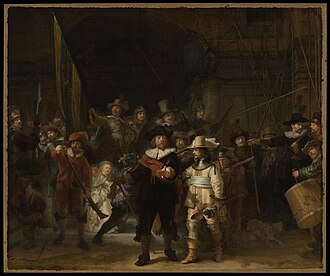 La ronda de noche - Rembrandt van Rijn (1642)
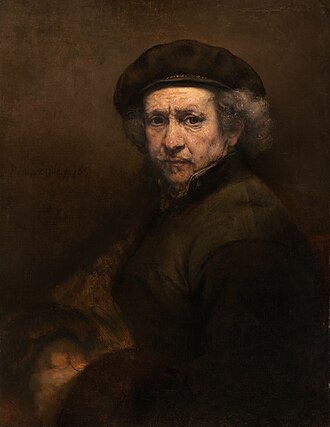 Autorretrato - Rembrandt van Rijn (1659)
 Lección de anatomía del Dr. Nicolaes Tulp - Rembrandt van Rijn (1632)
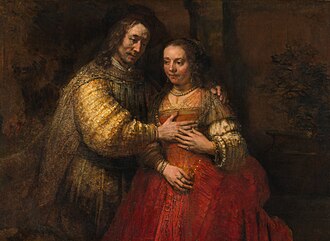 La novia judía - Rembrandt van Rijn (1660s)
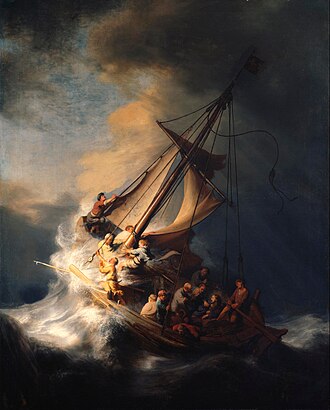 La tormenta en el mar de Galilea - Rembrandt van Rijn (1633)
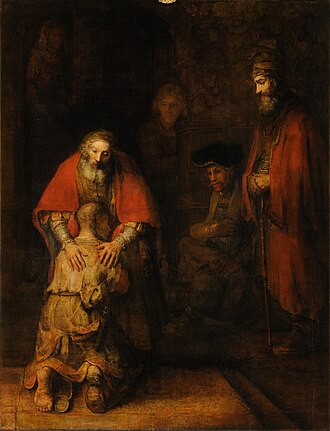 El retorno del hijo pródigo - Rembrandt van Rijn (1668)
 Dánae - Rembrandt van Rijn (1636)
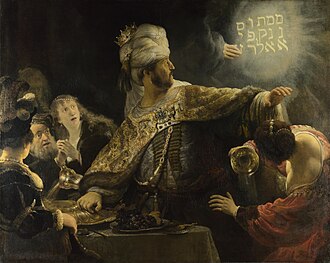 Banquete de Belsasar - Rembrandt van Rijn (1636)
Obras de artistas relacionados
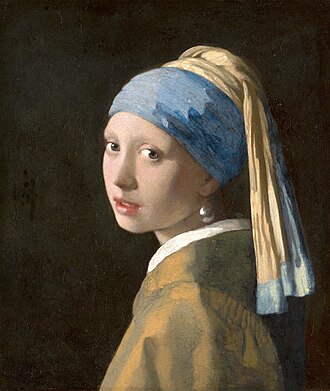 La joven de la perla - Johannes Vermeer (1665)
 La lechera - Johannes Vermeer (c. 1658)