El geógrafo
Johannes Vermeer · 1668
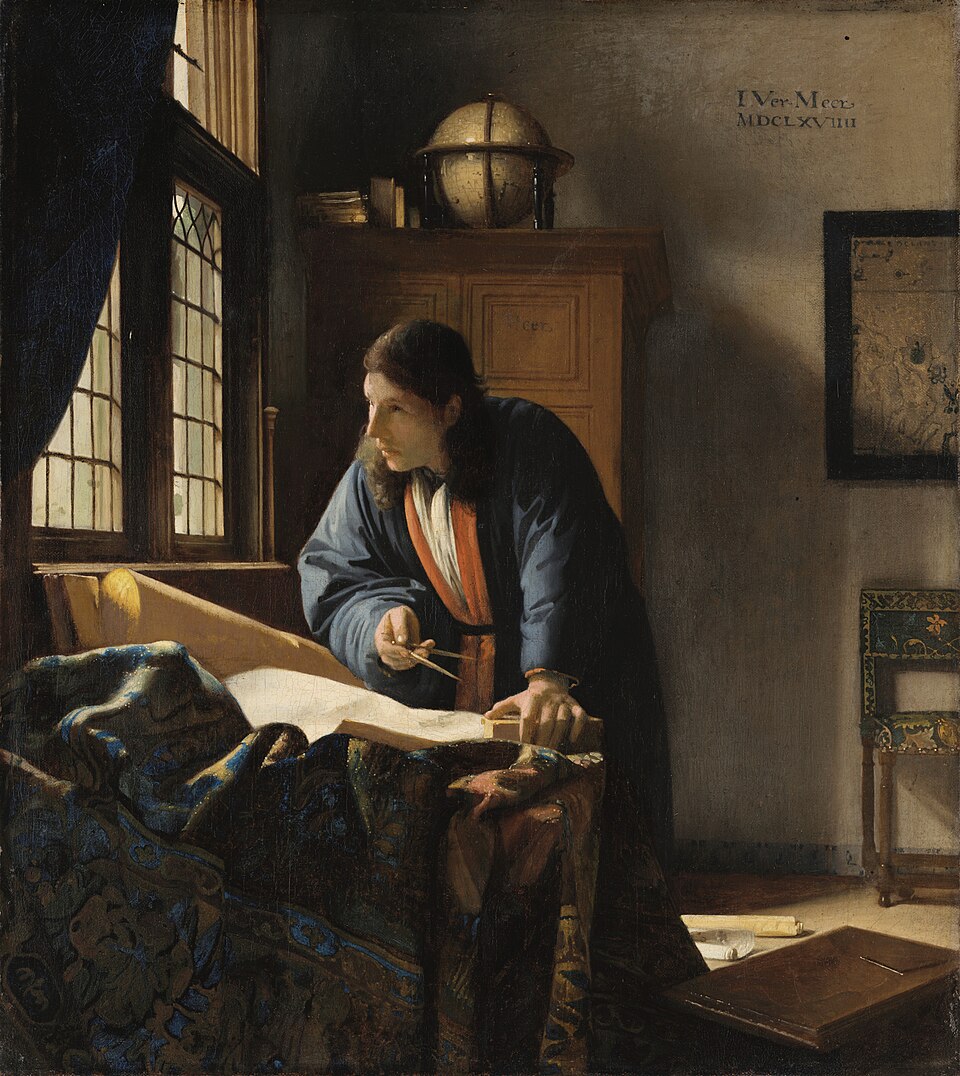
A scholar in a long robe pauses over his chart, dividers in hand, and looks up toward the window as if an idea has just struck. Vermeer caught the very moment of thinking.
The story behind the painting
Johannes Vermeer painted The Geographer in 1668 to 1669. It is one of only three paintings he both signed and dated, the others being The Astronomer and The Procuress. The picture is closely tied to The Astronomer: the same model wears the same dress, and a 2017 study found that the canvases for the two works came from the same bolt of material. The instruments and maps are so accurate that Vermeer must have had a source familiar with the profession. Arthur K. Wheelock Jr. and others suggest that the model was Antonie van Leeuwenhoek, a fellow Delft native skilled in navigation, astronomy and mathematics, who passed his surveyor's examination on 4 February 1669. No document proves a relationship between the two men in Vermeer's lifetime, though in 1676 van Leeuwenhoek was appointed a trustee for Vermeer's estate.
What to look for
Begin with the man. He leans over a table, gripping a book, holding dividers in his right hand, his narrowed eyes turned toward the window. His face is slightly blurred, as if caught in motion. To the left, a curtain is drawn back and an oriental carpet is pushed aside on the table. Behind him stands a globe, published in Amsterdam in 1618 by Jodocus Hondius and turned toward the Indian Ocean. On the window's centre post hangs a cross-staff for measuring the angle of the Sun or stars, and on the wall is a sea chart of the coasts of Europe identified as one published by Willem Jansz. Blaeu. Notice the diagonal shadows on the right-hand wall. Technical study shows Vermeer changed his mind: the head was once further left, the dividers vertical, and a sheet of paper lay on the small stool.
Meaning and intent
Wheelock sees here someone excited by intellectual inquiry, with energy carried by the pose, the mass of objects on the left and the diagonal shadows. Serena Carr goes further, reading the scene as a flash of inspiration, even revelation, and points to the drawn curtain and the pushed-back carpet as symbols of revelation. The man wears a Japanese-style robe then popular among scholars. The globe, turned toward the Indian Ocean where the Dutch East India Company was active, ties his study to the wider world. Vermeer used impasto dots to pick out the globe's printed cartouche, which, since the globe can be identified, is known to contain a plea for information for future editions, an echo of the theme of discovery. Lawrence Gowing noted that the pose follows Faust in Rembrandt's famous etching, reversed.
Legacy
For much of its early history, until 1797, The Geographer was owned together with The Astronomer, and the two were long treated as pendants, though their measurements differ. Until the late eighteenth century both were called Astrologers. They passed through a chain of Dutch collectors, including the art broker Hendrick Sorgh and the banker Jean Etiènne Fizeaux, before being separated around the start of the nineteenth century. Later the painting went through Paris collections, including that of Isaac Pereire, and belonged to Pavel Pavlovich Demidov, 2nd Prince of San Donato, near Florence. In 1885 it was sold in Vienna to a Kohlbacher, who sold it to the Städel in Frankfurt, where it hangs today.
¿Sabías que…?
- Painted 1668-1669; one of only three works Vermeer signed and dated
- Size: 53 × 46.6 cm
- The globe is by Jodocus Hondius, Amsterdam, 1618
- Now in the Städel Museum, Frankfurt; once in the Demidov collection
Sobre el artista
Johannes Vermeer (1632-1675)
escena de género · retrato · pintura del Siglo de oro neerlandés · Museo Städel
Más obras de Johannes Vermeer
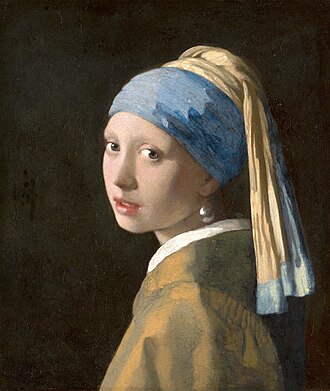 La joven de la perla - Johannes Vermeer (1665)
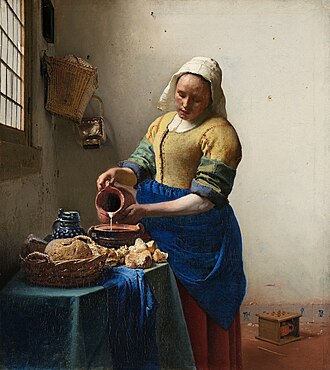 La lechera - Johannes Vermeer (c. 1658)
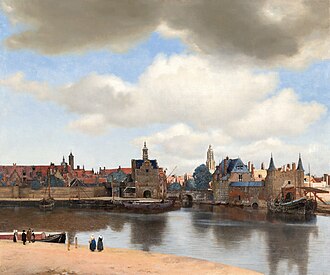 Vista de Delft - Johannes Vermeer (1660s)
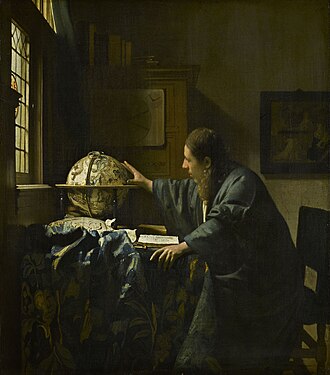 El astrónomo - Johannes Vermeer (1664)
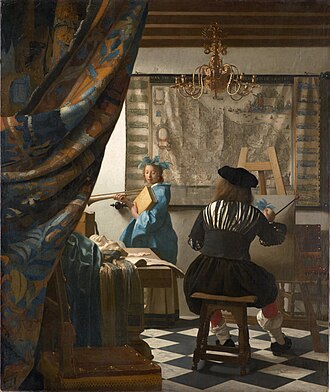 El arte de la pintura - Johannes Vermeer (1660s)
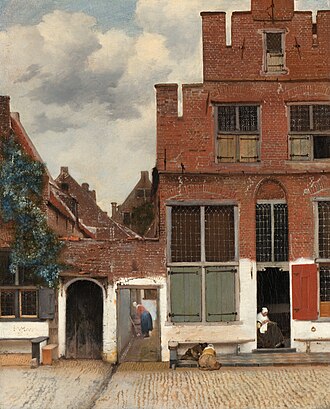 La callejuela - Johannes Vermeer (1658)
.jpg) Muchacha leyendo una carta - Johannes Vermeer (1650s)
Muchacha leyendo una carta - Johannes Vermeer (1650s)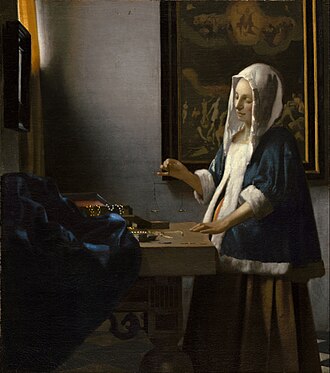 La tasadora de perlas - Johannes Vermeer (1665)
Obras de artistas relacionados
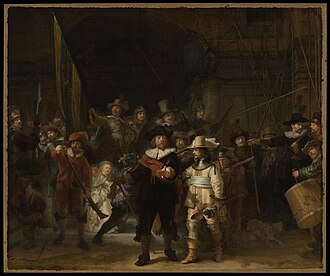 La ronda de noche - Rembrandt van Rijn (1642)
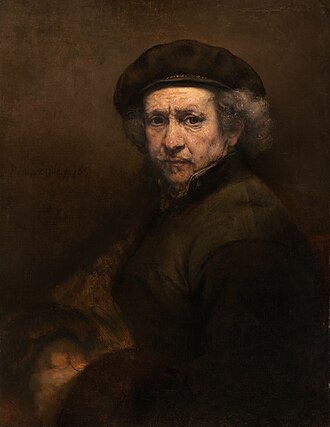 Autorretrato - Rembrandt van Rijn (1659)
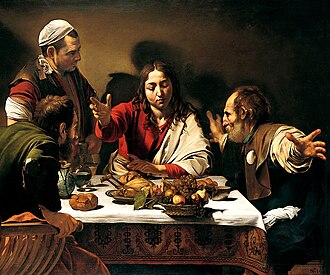 La cena de Emaús - Caravaggio (1601)
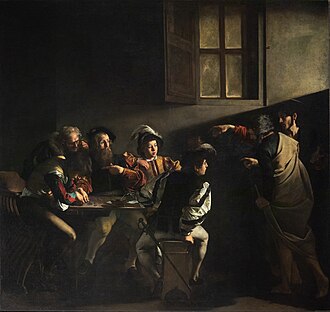 La vocación de San Mateo - Caravaggio (1609)
 Las meninas - Diego Velázquez (1656)
 La rendición de Breda - Diego Velázquez (1635)