La nave de los locos
Jerónimo Bosch · 1500s
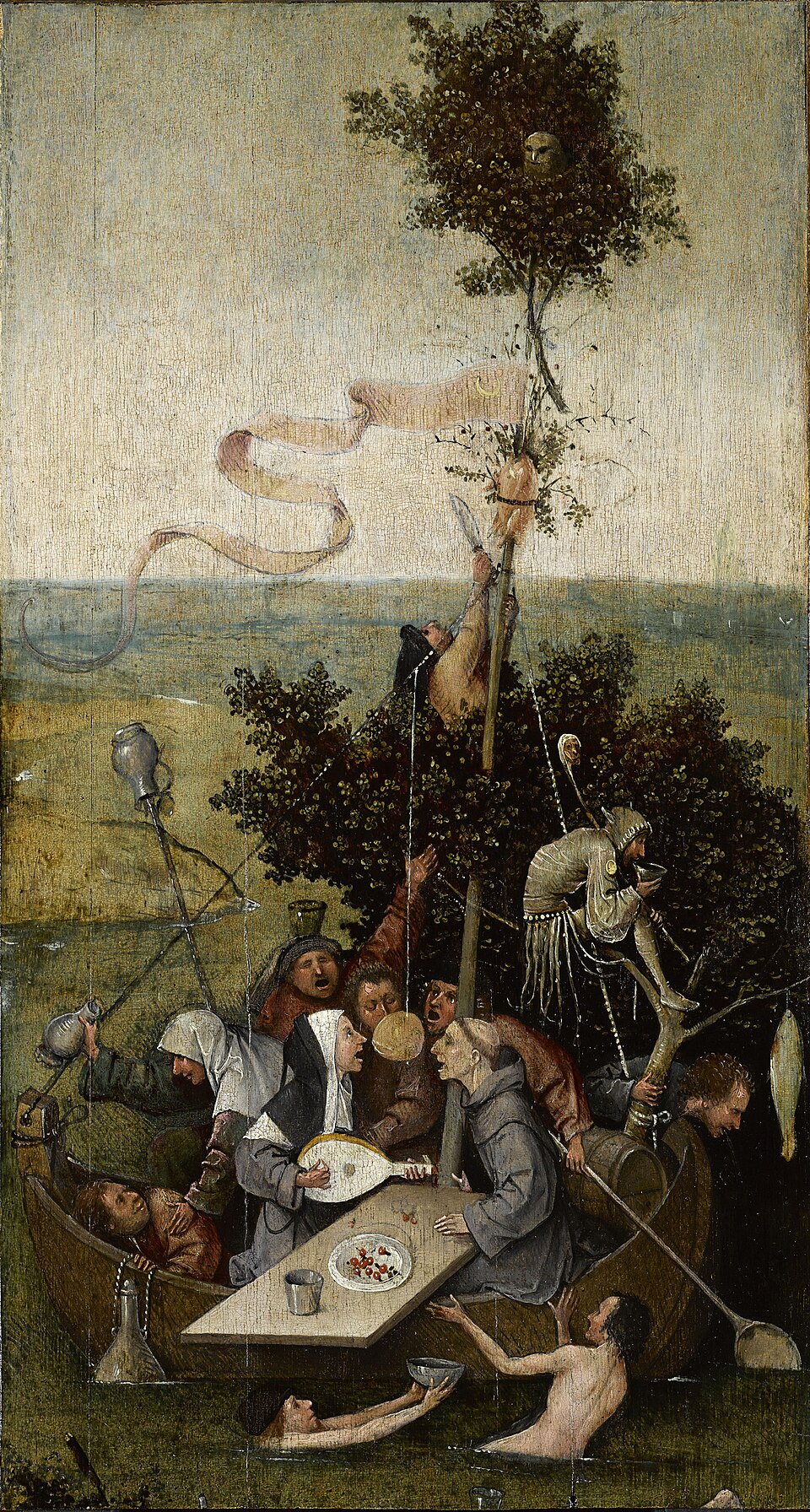
A little boat crowded with fools, and no one truly at the helm. Bosch's Ship of Fools is a fragment of a larger warning about excess, and it still makes us laugh and wince at once.
The story behind the painting
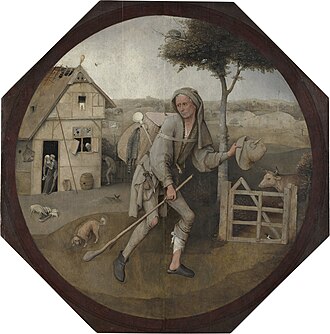
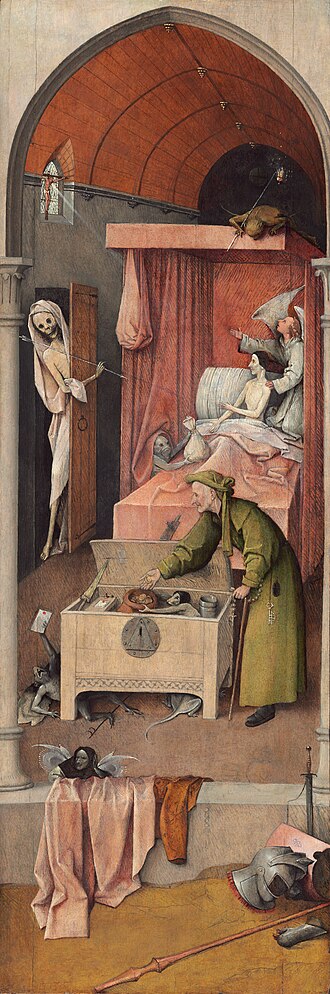
Hieronymus Bosch painted Ship of Fools around 1490-1500. What survives in the Louvre is a fragment: the panel was once one wing of a triptych that was cut into several parts, and the Paris piece is about two-thirds of its original length. The bottom third belongs to Yale University Art Gallery, shown as Allegory of Gluttony. The other wing, Death and the Miser, is in the National Gallery of Art in Washington, and The Wayfarer in Rotterdam was painted on the reverse of the right panel. Tree-ring study dated the wood to 1491, and the Paris, Washington and Rotterdam panels were cut from the same tree. Camille Benoit gave it to the Louvre in 1918.
What to look for
The source tells us that the panel depicts the sin of gluttony, as part of a larger body of work about the seven deadly sins. Its subject is a ship of fools, a boat full of people with no one truly steering. The panel is tall and narrow, about 58 by 32.5 centimetres, and the Louvre restored it in 2015. As you look, notice how the crowded little vessel fills the upright format, and imagine the missing lower third, now at Yale, continuing the scene below. A drawing of the Ship of Fools, also in the Louvre, appears to be a later copy of the composition.
Meaning and intent
The idea of a ship of fools is very old. It goes back to Book VI of Plato's Republic, an allegory of a ship with a dysfunctional crew, and it became hugely popular after Sebastian Brant published his satire Das Narrenschiff in 1493. The panel may be a response to Brant's book or even to the illustrations of its first edition; another possible source is Le Pèlerinage de l'Âme, printed in Dutch in 1486. Paired with Death and the Miser, the two wings would have shown two extremes, wasteful excess and miserliness, mocking and condemning both. The fools afloat are a mirror for anyone who lets appetite take the helm.
Legacy
The panel's history has been rewritten by science. Dendrochronology by Peter Klein has changed how several Bosch-related paintings are dated and attributed, and showed that this Ship of Fools shares its tree with the Washington Death and the Miser and the Rotterdam Wayfarer. The two to eight years between felling and use allow it to be a direct satire on the frontispiece of Brant's book. Today the scattered pieces live in Paris, at Yale, in Washington and in Rotterdam. Standing before the Louvre fragment, we see one part of a moral story that once unfolded across a whole triptych, still sharp after five centuries.
¿Sabías que…?
- Painted about 1490-1500; tree rings date the wood to 1491
- Size: 58 × 32.5 cm; donated to the Louvre by Camille Benoit in 1918
- Lower third is at Yale University Art Gallery as Allegory of Gluttony
- Same tree as Death and the Miser (Washington) and The Wayfarer (Rotterdam)
Sobre el artista
Jerónimo Bosch (1450-1516)
Departamento de Pinturas del Museo del Louvre · alegoría
Más obras de Jerónimo Bosch
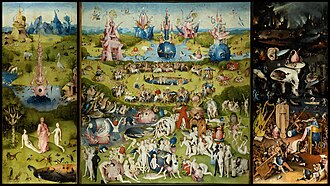 El jardín de las delicias - Hieronymus Bosch
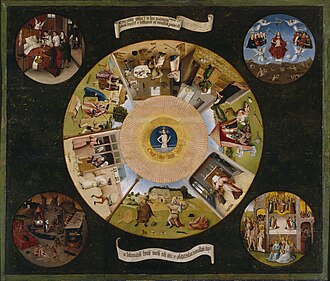 Mesa de los pecados capitales - Hieronymus Bosch (1500)
.jpg) El carro de heno - Hieronymus Bosch (1510s)
El carro de heno - Hieronymus Bosch (1510s)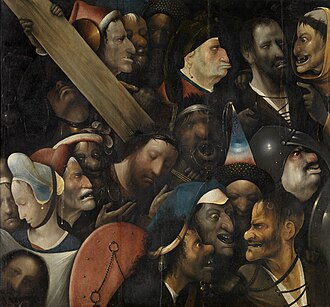 Cristo con la Cruz a cuestas - Hieronymus Bosch (1510s)
 El vendedor ambulante - Hieronymus Bosch (1500)
 La muerte de un avaro - Hieronymus Bosch (1500s)
 Ecce Homo - Hieronymus Bosch (1490s)
.jpg) Extracción de la piedra de la locura - Hieronymus Bosch (1500s)
Extracción de la piedra de la locura - Hieronymus Bosch (1500s)
Obras de artistas relacionados
 La Gioconda - Leonardo da Vinci (1503-1519)
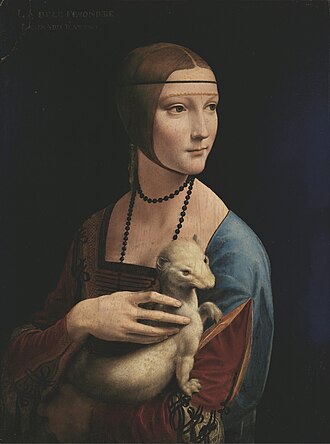 La dama del armiño - Leonardo da Vinci (1490)
.jpg) Venus de Urbino - Titian (1538)
Venus de Urbino - Titian (1538)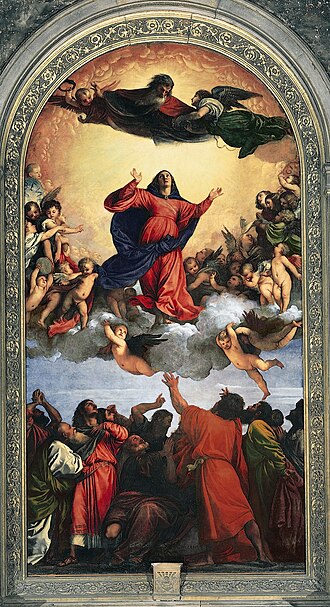 La Asunción de la Virgen - Titian (1510s)
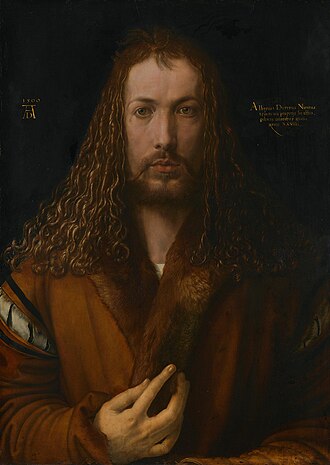 Autorretrato de Durero - Albrecht Dürer (1500)
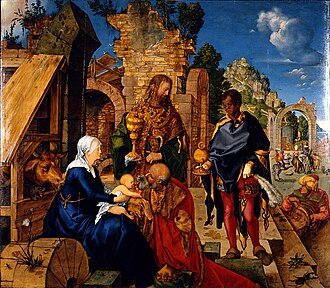 Adoración de los Magos - Albrecht Dürer (1504)
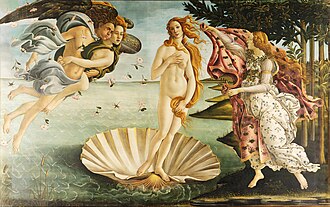 El nacimiento de Venus - Sandro Botticelli (c. 1485)
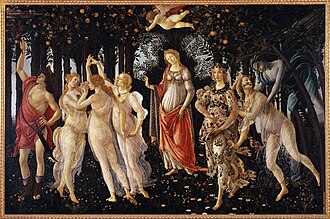 La primavera - Sandro Botticelli (1480s)
%20-%20Google%20Art%20Project.jpg) Cazadores en la nieve - Pieter Bruegel the Elder (1565)
Cazadores en la nieve - Pieter Bruegel the Elder (1565)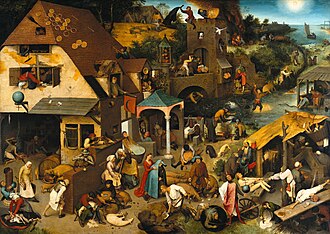 Los proverbios flamencos - Pieter Bruegel the Elder (1551)