Autorretrato
Rembrandt van Rijn · 1660
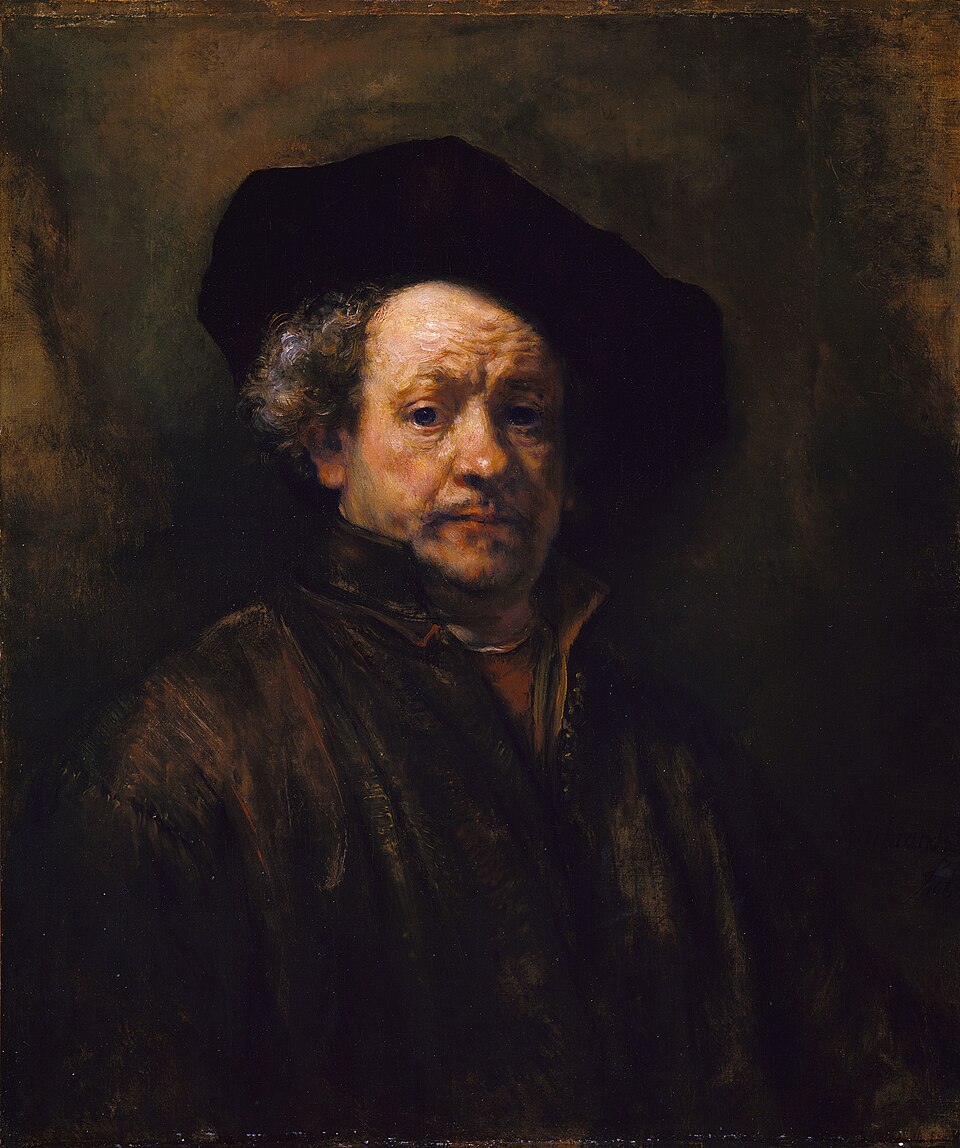
Bankrupt, his treasures sold and his friends gone, Rembrandt at fifty-four painted himself with a wrinkled brow and a cap tilted at a jaunty angle, as if in defiance of everything that had gone wrong.
The story behind the painting
Rembrandt dated this canvas 1660, when he was fifty-four. He had just been declared bankrupt, his collection of art treasures had been sold at auction, pupils and friends had distanced themselves from him, and he had lost his studio space. Yet this is a work of mature years, made with the skill of a lifetime. It is one of his more than forty self-portraits. Part of the Benjamin Altman Collection, it has hung in the Metropolitan Museum of Art in New York since 1913, after passing through the Barons Ashburton and the dealer Charles Sedelmeyer.
What to look for
A 1913 article described the technique: the hat a rich black and the background a warm green, both smoothly painted. The shadows of the face are thin, warm and transparent, while the lighter parts, such as the cheek, are laid on with a well-loaded brush that suggests the texture of skin and makes it glow. Over a red waistcoat he wears a heavy brownish coat. Look at the raised eyebrows that wrinkle his forehead, the drawn mouth, and then the cap, tilted a little to one side, and the head held erect.
Meaning and intent
Early writers read the face closely. One saw in the wrinkled brow and worried expression the troubled condition of his mind, yet also a spark in the eyes that denies defeat and a merry pride in the tilted cap. A 1914 Metropolitan guide compared it with the Frick self-portrait of a year or so earlier, in which he looks like a philosopher indifferent to all but his thoughts. Here, by contrast, he seems prematurely aged and pestered by the small cares of daily life, but still proud.
Legacy
Rembrandt lived several more years, and these sources describe them as years of misery, naming the group portrait Syndics of the Drapers' Guild, now in the Rijksmuseum, as one more great work. His reputation suffered an almost total eclipse after his time, although the same old source calls him perhaps the most popular painter who ever lived. Writers of the early twentieth century saw in this portrait a quiet victory: the neglected painter is remembered, while the aristocrats who turned away are forgotten.
¿Sabías que…?
- Dated 1660, when Rembrandt was fifty-four.
- Painted just after he was declared bankrupt.
- Part of the Benjamin Altman bequest of 1913.
- Held in the Metropolitan Museum of Art, New York.
Sobre el artista
Rembrandt van Rijn (1606-1669)
varón · pintura del Siglo de oro neerlandés · Museo Metropolitano de Arte · autorretrato · Rembrandt · Charles Sedelmeyer collection
Más obras de Rembrandt van Rijn
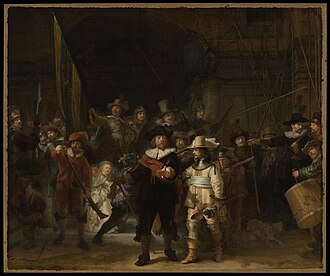 La ronda de noche - Rembrandt van Rijn (1642)
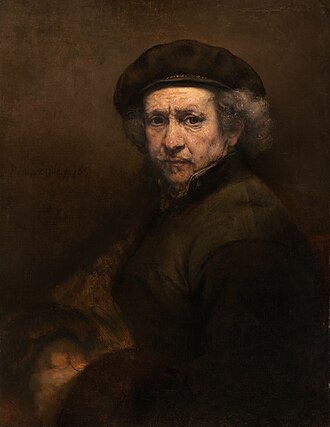 Autorretrato - Rembrandt van Rijn (1659)
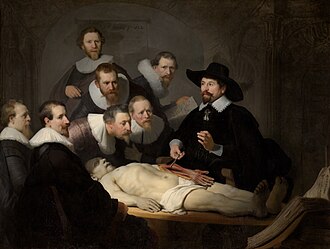 Lección de anatomía del Dr. Nicolaes Tulp - Rembrandt van Rijn (1632)
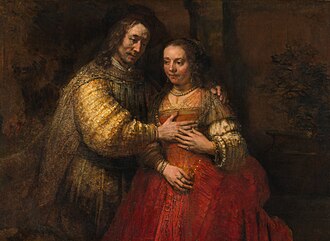 La novia judía - Rembrandt van Rijn (1660s)
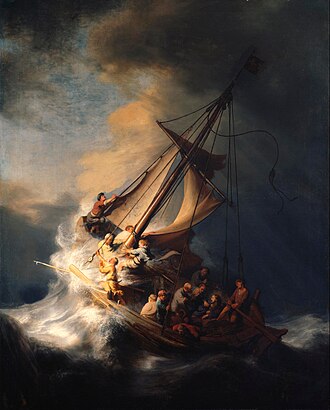 La tormenta en el mar de Galilea - Rembrandt van Rijn (1633)
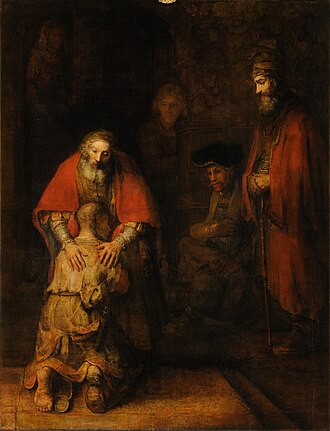 El retorno del hijo pródigo - Rembrandt van Rijn (1668)
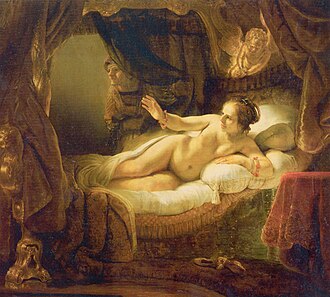 Dánae - Rembrandt van Rijn (1636)
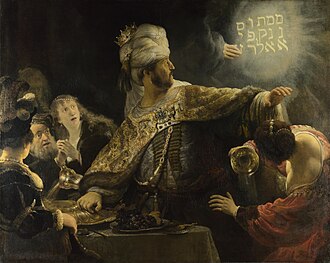 Banquete de Belsasar - Rembrandt van Rijn (1636)
Obras de artistas relacionados
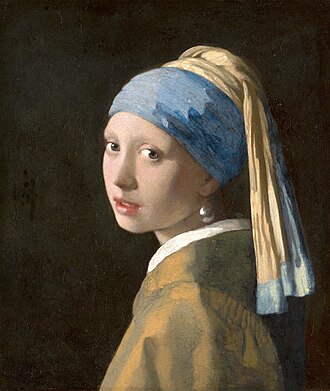 La joven de la perla - Johannes Vermeer (1665)
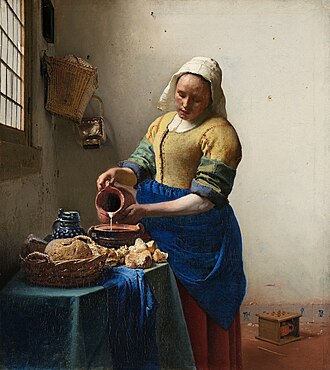 La lechera - Johannes Vermeer (c. 1658)