El predicador Eleazar Swalmius
Rembrandt van Rijn · 1637
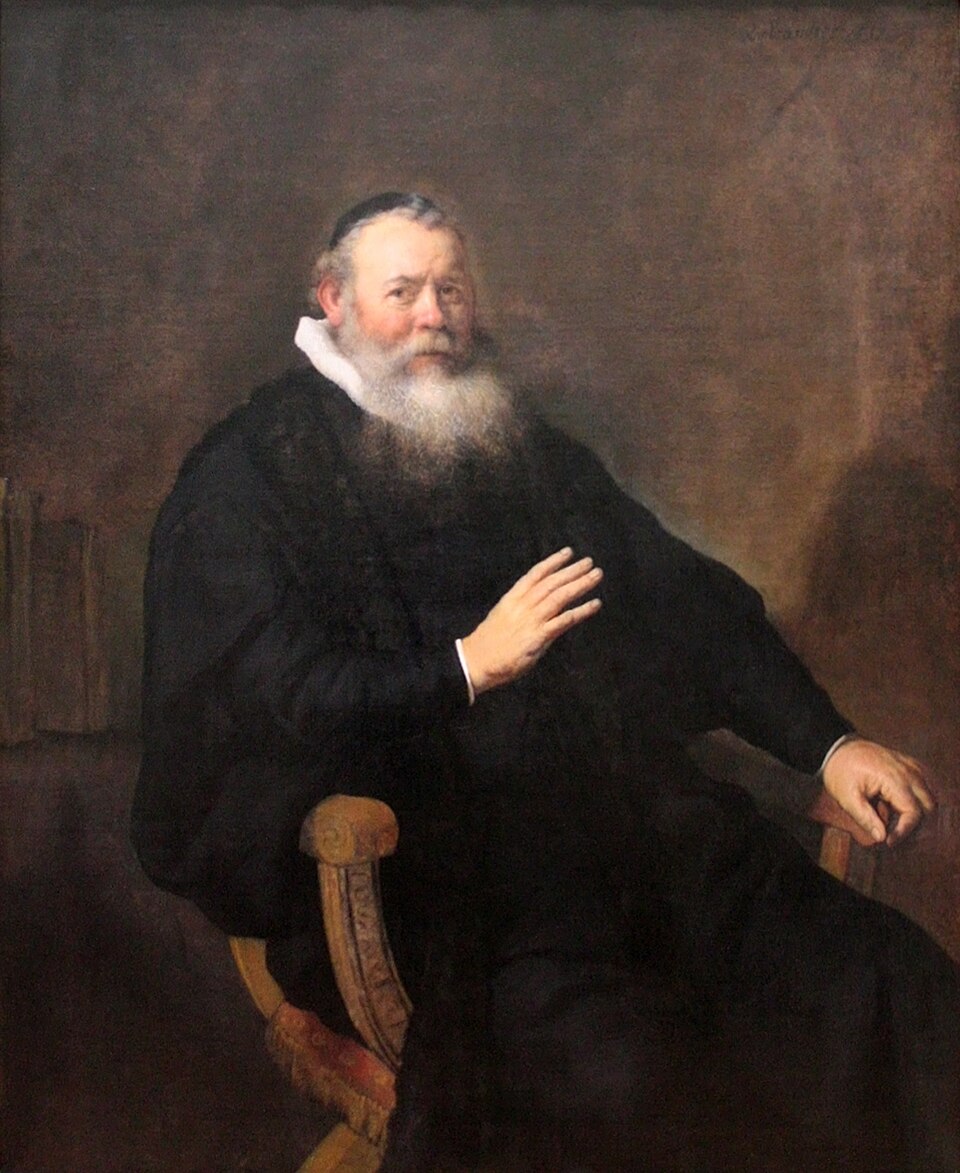
An Amsterdam preacher with a long white beard and kind eyes reaches for a book. For years the portrait sat in storage, judged too tame for Rembrandt, until a yellow varnish came off and the master came back.
The story behind the painting
Rembrandt painted Eleazar Swalmius in 1637, when the preacher was about 55. Born in Rhoon, he was the son of the preacher Hendrick van de Swalme, whose family probably came from Flanders. Like his father, Eleazar became a preacher, on the Counter-Remonstrant side. He served in Poortugaal and Hoogvliet near Rotterdam from 1605 and in Schiedam from 1612 to 1622, then settled in Amsterdam, where he died and was buried in the Oude Kerk in 1652. The families knew each other: his brother Carel witnessed the drawing up of the will of Rembrandt and Saskia van Uylenburgh.
What to look for
The canvas, about 132 by 109 cm, shows the preacher almost life-size and in an extremely sober way. Against a dim brown background, with a few barely visible books on a table, he seems to take up an imposing but unostentatious volume. He sits relaxed in a low wooden armchair, seen in three-quarter view, and does not stare at us. His eyes are kind, his nose ruddy, and his long white beard makes him look friendly rather than learned. Look for the signature Rembrandt f 1637 in the upper right corner.
Meaning and intent
The source sees a relaxed mood of confidentiality in the portrait, likely because painter and sitter knew each other personally. Swalmius is not shown preaching or proving his wisdom; he is simply present, close and calm. Yet that quietness once counted against the painting. In 1969 Horst Gerson wrote that the signature did not seem original and that the work was too tame, and he gave it to Rembrandt's pupil Govert Flinck. Curator Jeroen Giltaij agreed that little of Rembrandt's strength showed and that the beard was sketchy, though he could not confirm Flinck.
Legacy
For a long time the picture was thought to show an Amsterdam mayor, and it was listed so in 1727 in the collection of the Duke of Orleans at the Palais Royal. Louis Philippe Joseph d'Orleans sold the whole collection in 1792. After passing through English collections, it was sold by the Bourgeois dealers of Cologne to the Royal Museum of Fine Arts Antwerp in 1886 as a Rembrandt. Doubts kept it in storage, until restoration showed that a thick yellow varnish had hidden the pink skin tones. Ernst van de Wetering then judged it a true Rembrandt, and it now has a permanent place in the museum.
¿Sabías que…?
- Painted by Rembrandt in 1637.
- The sitter was a Counter-Remonstrant preacher in Amsterdam.
- Once given to Govert Flinck, now accepted as Rembrandt.
- In the Royal Museum of Fine Arts Antwerp since 1886.
Sobre el artista
Rembrandt van Rijn (1606-1669)
retrato · varón · Museo Real de Bellas Artes de Amberes
Más obras de Rembrandt van Rijn
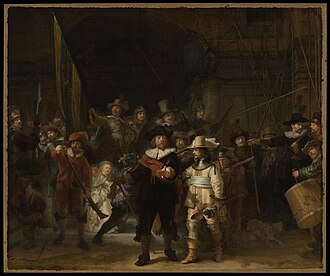 La ronda de noche - Rembrandt van Rijn (1642)
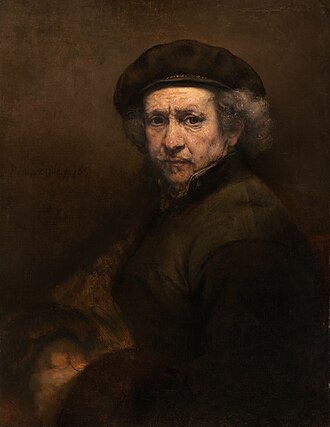 Autorretrato - Rembrandt van Rijn (1659)
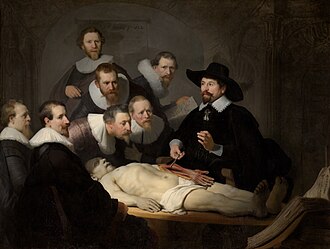 Lección de anatomía del Dr. Nicolaes Tulp - Rembrandt van Rijn (1632)
 La novia judía - Rembrandt van Rijn (1660s)
 La tormenta en el mar de Galilea - Rembrandt van Rijn (1633)
 El retorno del hijo pródigo - Rembrandt van Rijn (1668)
 Dánae - Rembrandt van Rijn (1636)
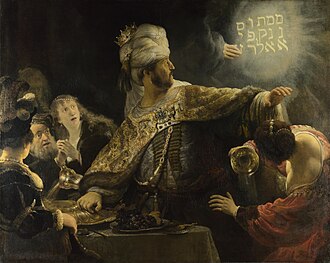 Banquete de Belsasar - Rembrandt van Rijn (1636)
Obras de artistas relacionados
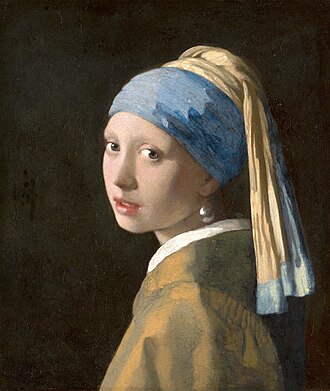 La joven de la perla - Johannes Vermeer (1665)
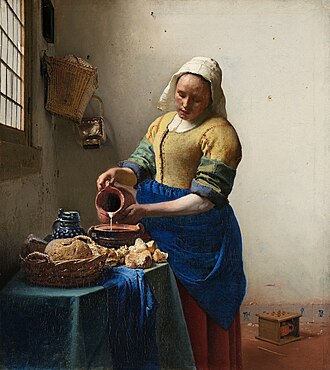 La lechera - Johannes Vermeer (c. 1658)