Portrait of a Woman, probably a Member of the Van Beresteyn Family
Rembrandt van Rijn · 1632
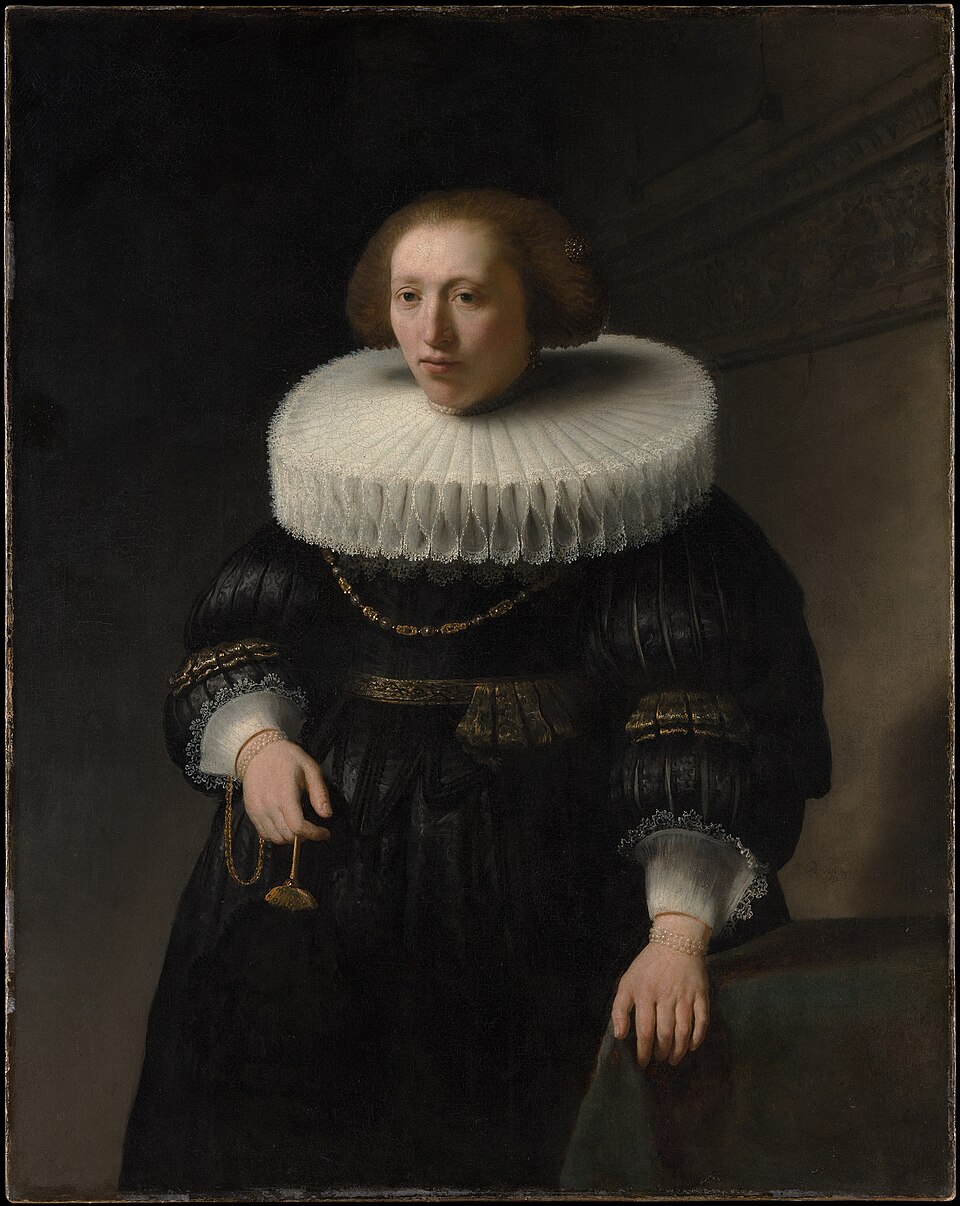
A middle-aged woman stands beside a table, framed by an enormous millstone collar. She was painted as one half of a married pair, yet even her family name is only a probability.
The story behind the painting
Rembrandt signed this canvas RHL van Ryn 1632. It was made as a pendant to Portrait of a Man, probably a Member of the Van Beresteyn Family, most likely as a wedding pair, and both now hang in the Metropolitan Museum of Art. Only a few pairs of pendant portraits by Rembrandt have survived. The two came to the museum through the Mrs. H. O. Havemeyer bequest in 1929. In 1884 they were in the collection of the Beresteyn family at Chateau Maurik in Vucht, and that is where their known history begins.
What to look for
Hofstede de Groot described a life-size woman of middle age, seen almost in full face, resting her left hand on a table with a greenish-blue cover. Her fair, greying hair is combed back under a small cap fixed with a rosette-headed pin. She wears a flowered black silk gown with slashed and puffed sleeves, a greenish-gold girdle, strings of pearls at her throat and wrists, and a gold chain on her bosom. Over a soft lace collar sits a broad lace-trimmed ruff. In her right hand she holds a black ostrich-feather fan by a gold chain, in cool light from the left.
Meaning and intent
Why is the collar so huge? The shadows on the wall suggest, if both portraits were painted at the same time and place, that she was quite a bit shorter than her husband but was painted to fill the same space. Collars like this were shaped in standard bleaching and starching moulds, as was common for wealthy Amsterdam collars in the 17th century, so a standard collar on a smaller woman would look enormous. The picture is a careful display of status: silk, pearls, gold, lace, and a feather fan held like a badge.
Legacy
The painting appeared in most 20th century Rembrandt catalogues, but Walter Liedtke recently disputed that it is by Rembrandt himself; this doubt is not reflected in the latest Rembrandt Research Project catalogue, and the work is still tied to his workshop and period and still seen as a pendant to the man's portrait. Hofstede de Groot noted that the pair could have descended in the female line as easily as the male line, so the couple might not be Van Beresteyns at all. The probably in the title keeps that uncertainty honest.
¿Sabías que…?
- Signed and dated 1632.
- Pendant to a portrait of a man, probably as a wedding pair.
- Bequeathed to the Metropolitan Museum by Mrs. H. O. Havemeyer in 1929.
- Walter Liedtke has questioned whether Rembrandt painted it himself.
Sobre el artista
Rembrandt van Rijn (1606-1669)
mujer · retrato · Museo Metropolitano de Arte · retrato
Más obras de Rembrandt van Rijn
 La ronda de noche - Rembrandt van Rijn (1642)
 Autorretrato - Rembrandt van Rijn (1659)
 Lección de anatomía del Dr. Nicolaes Tulp - Rembrandt van Rijn (1632)
 La novia judía - Rembrandt van Rijn (1660s)
 La tormenta en el mar de Galilea - Rembrandt van Rijn (1633)
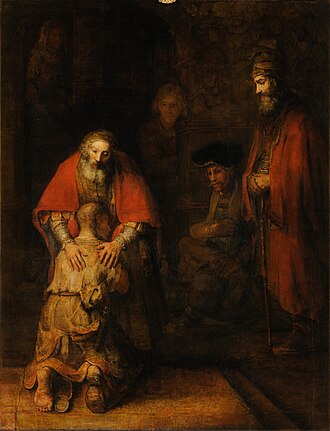 El retorno del hijo pródigo - Rembrandt van Rijn (1668)
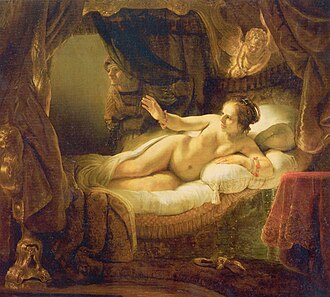 Dánae - Rembrandt van Rijn (1636)
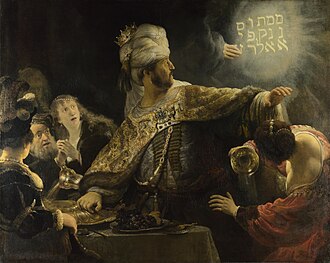 Banquete de Belsasar - Rembrandt van Rijn (1636)
Obras de artistas relacionados
 La joven de la perla - Johannes Vermeer (1665)
 La lechera - Johannes Vermeer (c. 1658)
 La fiesta de San Nicolás - Jan Steen (1660s)
 Joven comiendo ostras - Jan Steen (1658)
 El alegre bebedor - Frans Hals (1620s)
 Caballero sonriente - Frans Hals (1624)
 El molino de Wijk bij Duurstede - Jacob van Ruisdael (1670)
 El cementerio judío - Jacob van Ruisdael (1650s)
 Patio de una casa de Delft - Pieter de Hooch (1658)
 Mujer pelando manzanas - Pieter de Hooch (1663)