La velada
Rafael Sanzio · 1510s
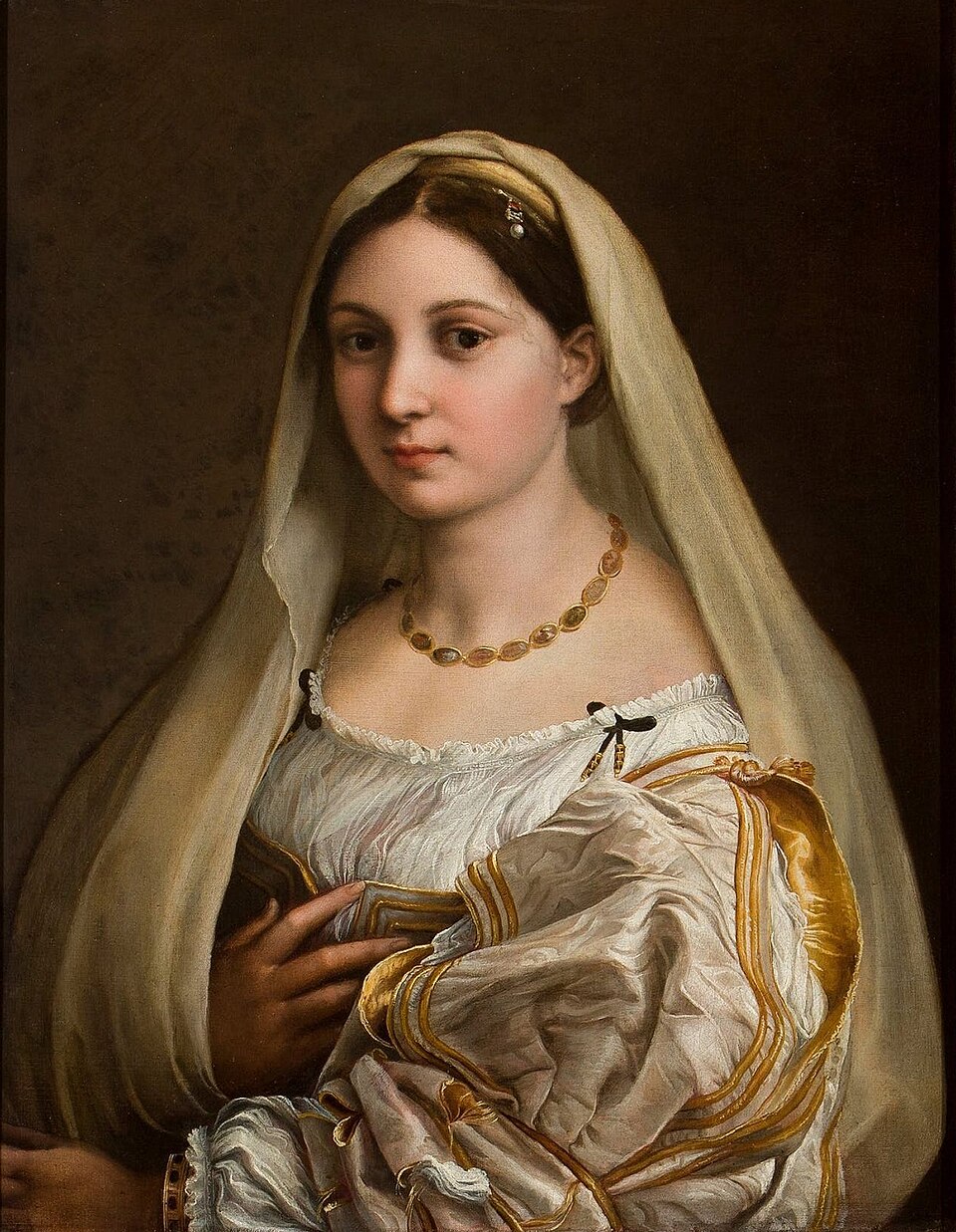
A woman in a veil and lavish sleeves looks out at us with calm composure. Tradition says Raphael painted the same face that appears in his La Fornarina.
The story behind the painting
La velata, or La donna velata, meaning the woman with the veil, is a well-known portrait by the Italian Renaissance painter Raffaello Sanzio, called Raphael. Wikidata dates it to the 1510s and places it in the High Renaissance. The same sitter appears in another of Raphael's portraits, La Fornarina, and she is traditionally identified as Margherita Luti, the fornarina or baker's daughter, described as Raphael's Roman mistress. As with La Fornarina, this identification comes from tradition rather than firm documentation, and the Wikipedia article on that painting notes that it has been questioned.
What to look for
The first thing to take in is the veil itself, which gives the painting its name and falls over the sitter's head. Then turn to her clothes. Wikipedia notes that, as usual with Raphael, her clothing is chosen and painted with close attention, and here it is strikingly opulent. Let your eyes travel slowly across the fabric and its folds, the way a visitor might study a fine textile. Wikidata records the panel as 82 by 61 centimetres, so she appears close to life-size, near enough to meet face to face.
Meaning and intent
Set beside La Fornarina, this portrait offers a striking contrast. There the woman is nude, wrapped only in a thin veil and a turban; here she is veiled and richly dressed. If tradition is right and both show Margherita Luti, Raphael gives us two very different faces of one person: one intimate and private, the other dignified and public. If tradition is wrong, the paintings still reveal how Raphael could use clothing, or its absence, to shape the way we meet a sitter. Either way, the care lavished on her dress speaks of an artist who looked very closely.
Legacy
La velata hangs today in the Galleria Palatina in Florence, according to Wikidata. Its fame rests partly on its own beauty and partly on its link with La Fornarina in Rome, which keeps alive the story of Raphael and the baker's daughter. Visitors who know one painting often seek out the other, comparing the faces and asking whether the same woman is truly there. The sources leave that question open, and the portrait, calm beneath its veil, gives nothing away. What remains certain is the painting itself: a veil, a steady gaze, and a dress rendered with extraordinary care by one of the masters of the High Renaissance.
¿Sabías que…?
- Known as La donna velata, the woman with the veil (Wikipedia).
- Traditionally identified as Margherita Luti, also linked to La Fornarina (Wikipedia).
- Dated to the 1510s; 82 x 61 cm (Wikidata).
- Galleria Palatina, Florence (Wikidata).
Wikipedia · Wikidata · Wikipedia (La Fornarina)
Sobre el artista
Rafael Sanzio (1483-1520)
retrato · Alto Renacimiento · Galería Palatina · mujer joven
Más obras de Rafael Sanzio
 Madonna Sixtina - Raphael (1510s)
.jpg) La Fornarina - Raphael
La Fornarina - Raphael Virgen del jilguero - Raphael (1500s)
 Los desposorios de la Virgen - Raphael (1504)
 Las Gracias - Raphael (1504)
 Virgen de la Casa de Alba - Raphael (1510)
%20-%20La%20Madonna%20del%20Granduca%20-%20178%20-%20Galleria%20Palatina.jpg) Madona del gran duque - Raphael (1500s)
Madona del gran duque - Raphael (1500s)%20September%202015-1a.jpg) La transfiguración - Raphael
La transfiguración - Raphael
Obras de artistas relacionados
.jpg) Venus de Urbino - Titian (1538)
Venus de Urbino - Titian (1538) La Asunción de la Virgen - Titian (1510s)
 La Gioconda - Leonardo da Vinci (1503-1519)
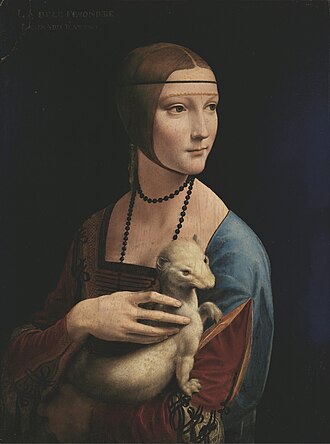 La dama del armiño - Leonardo da Vinci (1490)
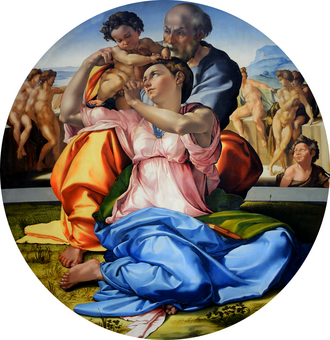 Tondo Doni - Michelangelo (1500s)
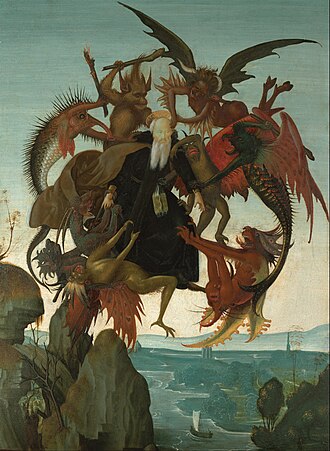 Los tormentos de San Antonio - Michelangelo (1487)
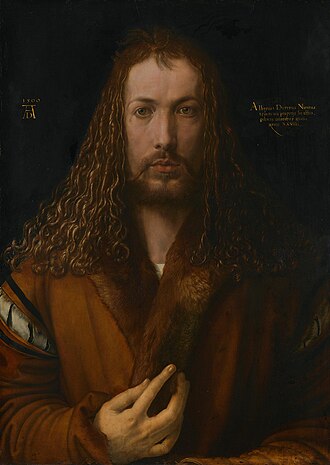 Autorretrato de Durero - Albrecht Dürer (1500)
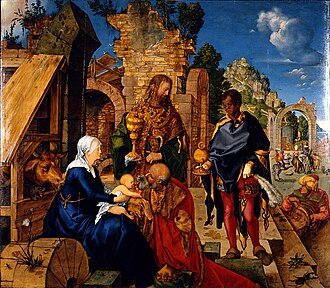 Adoración de los Magos - Albrecht Dürer (1504)
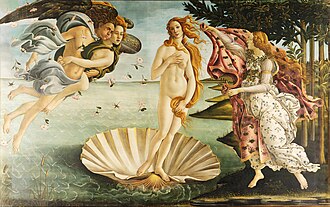 El nacimiento de Venus - Sandro Botticelli (c. 1485)
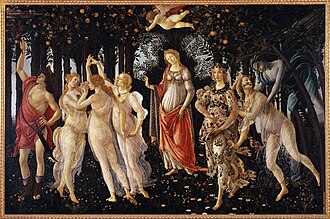 La primavera - Sandro Botticelli (1480s)
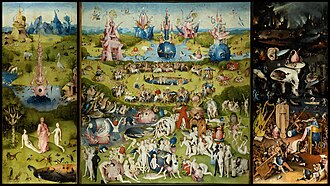 El jardín de las delicias - Hieronymus Bosch
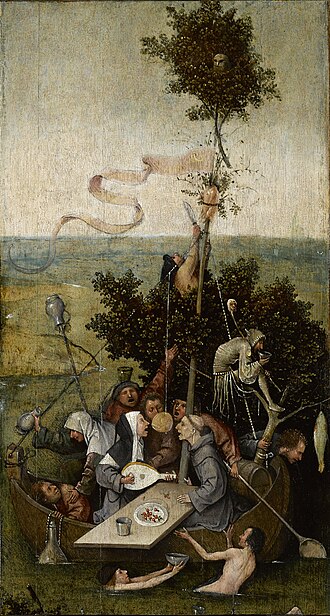 La nave de los locos - Hieronymus Bosch (1500s)