Baronesa de Rothschild
Jean Auguste Dominique Ingres · 1848
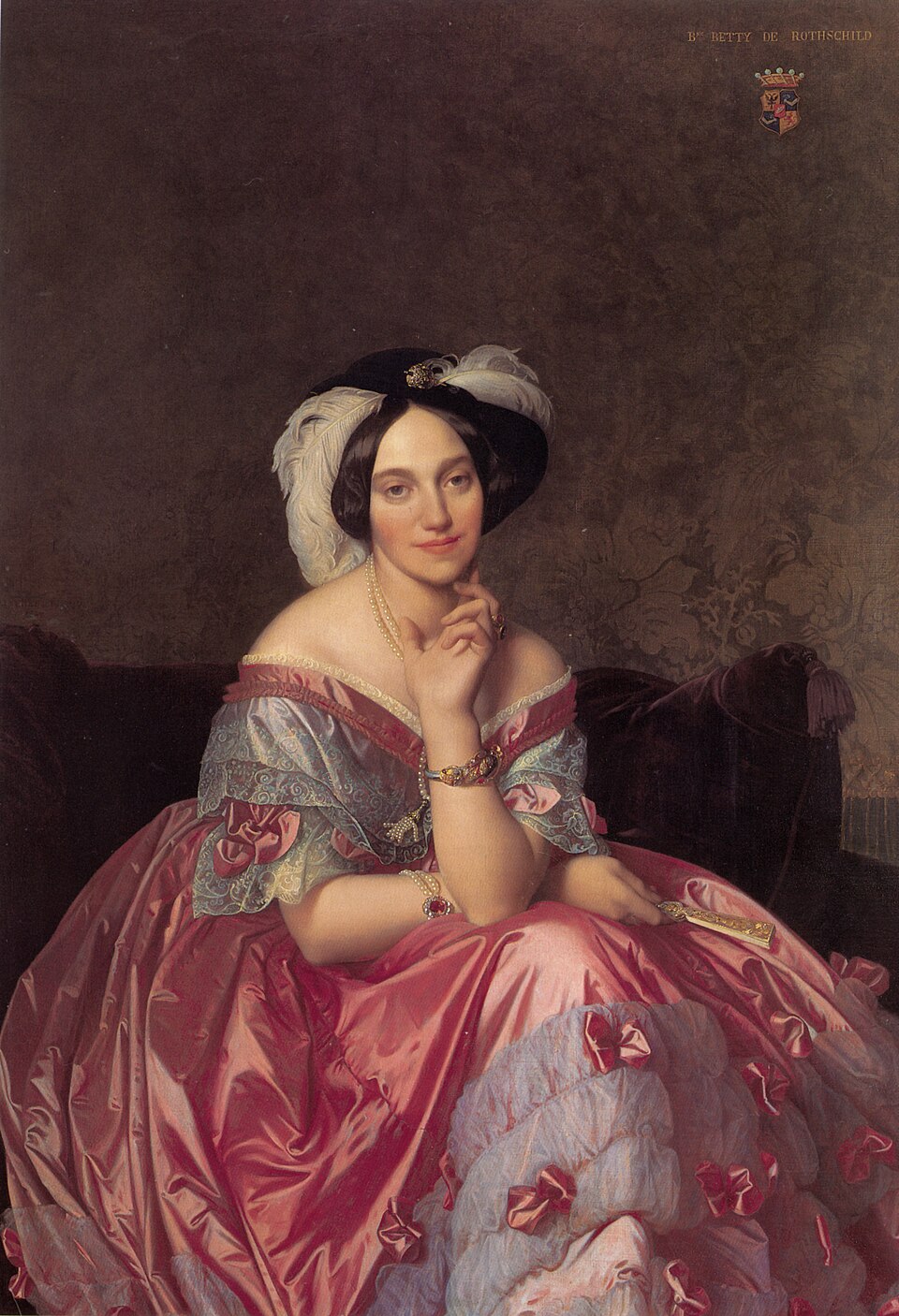
She leans forward on a red sofa in pink satin, legs crossed, as if caught mid-conversation at a party. Ingres first refused her, then took six years to finish, and called portraits a blessing and a curse in one breath.
The story behind the painting
Betty de Rothschild, one of the wealthiest women in Europe and a leading Parisian patron of the arts, first asked Ingres to paint her in 1841. He was a reluctant portraitist who believed history painting was the higher art, and he refused. After meeting her at a ball and finding her charming, he agreed. In 1842 he wrote to a friend that a sitting had cost him a dozen letters, ending: long live portraits, may God damn them. Her head was nearly done by February 1843, but in June 1844 he started again, probably painting over the first version. It was completed in 1848.
What to look for
She wears a pink satin evening dress with rows of ruching, lace frills and ribbon bows, and a black velvet toque with ostrich plumes. She sits low in the picture, which gives her a certain vulnerability despite the coat of arms and inscription at top right. Notice the crossed legs: the art historian Aileen Ribeiro notes the pose might have been thought rather risqué by the etiquette books of the day. Critics have remarked on the strange light, with shadows on the dress painted flatter than the lit areas, and on arms that seem almost boneless.
Meaning and intent
Ingres wanted to give the symbols of her wealth the dignity and grace of Renaissance art, especially Raphael, while keeping the command of line he admired in Jan van Eyck. Art historians see that combination as what set him apart from his early modernist contemporaries. He apparently fixed the composition at the first sitting, and the upper body may echo a pastel by Jean-Étienne Liotard that he admired. The sober brown background lets the dress and her oval, almost idealised face glow. The portrait has been called perhaps the most sumptuous yet approachable image of mid-nineteenth-century opulence.
Legacy
The portrait hung in Betty's salon until her death in 1886. It was lent to the posthumous Ingres exhibition in Paris in 1867, but has rarely been shown since. During the German occupation of France in the Second World War it was confiscated from her grandchildren as Jewish property. In June 1946 it was returned to the family and shown in Paris with other repatriated works. It appeared again in the centennial Ingres exhibition at the Petit Palais in 1967 and 1968. Her beauty also inspired Heinrich Heine's poem The Angel.
¿Sabías que…?
- Begun after 1841, restarted in 1844, completed in 1848.
- The sitter, Betty de Rothschild, was a leading patron of the arts in Paris.
- Confiscated during the Second World War and returned in 1946.
- Shown publicly only a few times since 1867.
Sobre el artista
Jean Auguste Dominique Ingres (1780-1867)
mujer · retrato · sentado · melena · neoclasicismo · castaño · collar de perlas
Más obras de Jean Auguste Dominique Ingres
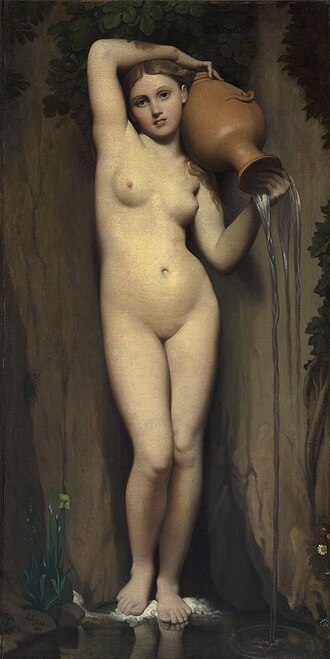 La fuente - Jean-Auguste-Dominique Ingres (1856)
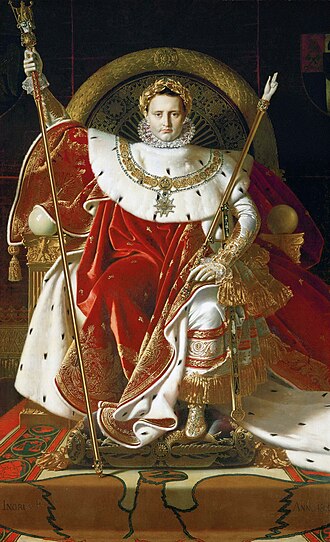 Napoleón en su trono imperial - Jean-Auguste-Dominique Ingres (1806)
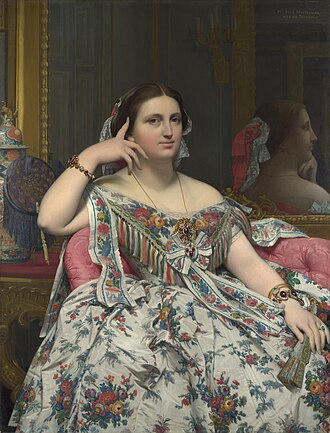 Madame Moitessier - Jean-Auguste-Dominique Ingres (1856)
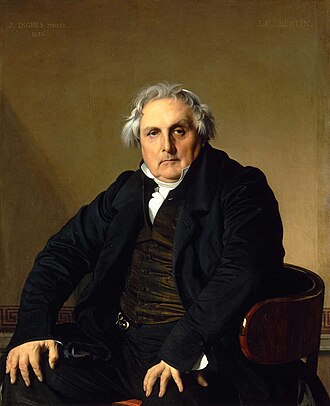 Monsieur Bertin - Jean-Auguste-Dominique Ingres (1832)
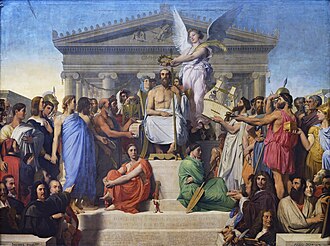 La apoteosis de Homero - Jean-Auguste-Dominique Ingres (1827)
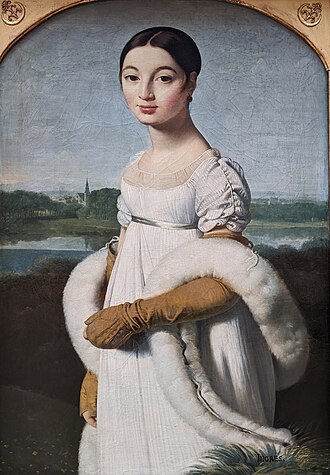 Mademoiselle Caroline Rivière - Jean-Auguste-Dominique Ingres (1806)
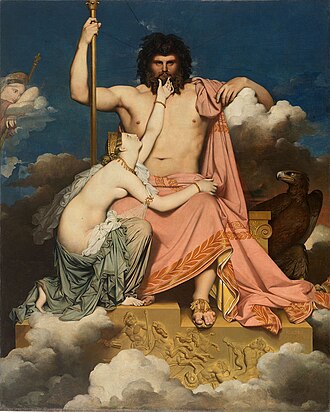 Júpiter y Tetis - Jean-Auguste-Dominique Ingres (1811)
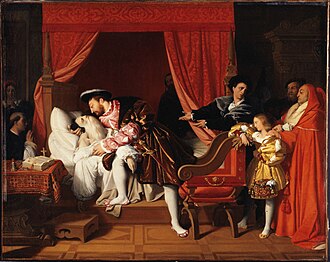 The Death of Leonardo da Vinci - Jean-Auguste-Dominique Ingres (1818)
Obras de artistas relacionados
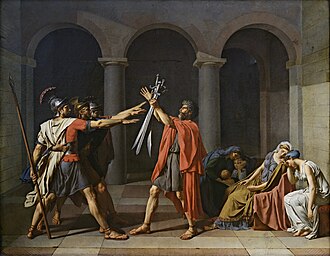 Juramento de los Horacios - Jacques-Louis David (1784)
.jpg) La intervención de las sabinas - Jacques-Louis David (1799)
La intervención de las sabinas - Jacques-Louis David (1799)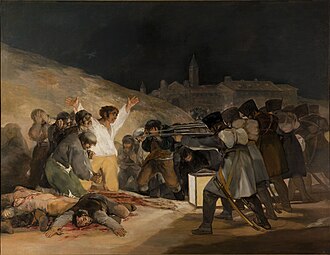 El tres de mayo de 1808 - Francisco Goya (1814)
.jpg) La Maja desnuda - Francisco Goya (1800)
La Maja desnuda - Francisco Goya (1800)