Monna Vanna
Dante Gabriel Rossetti · 1866
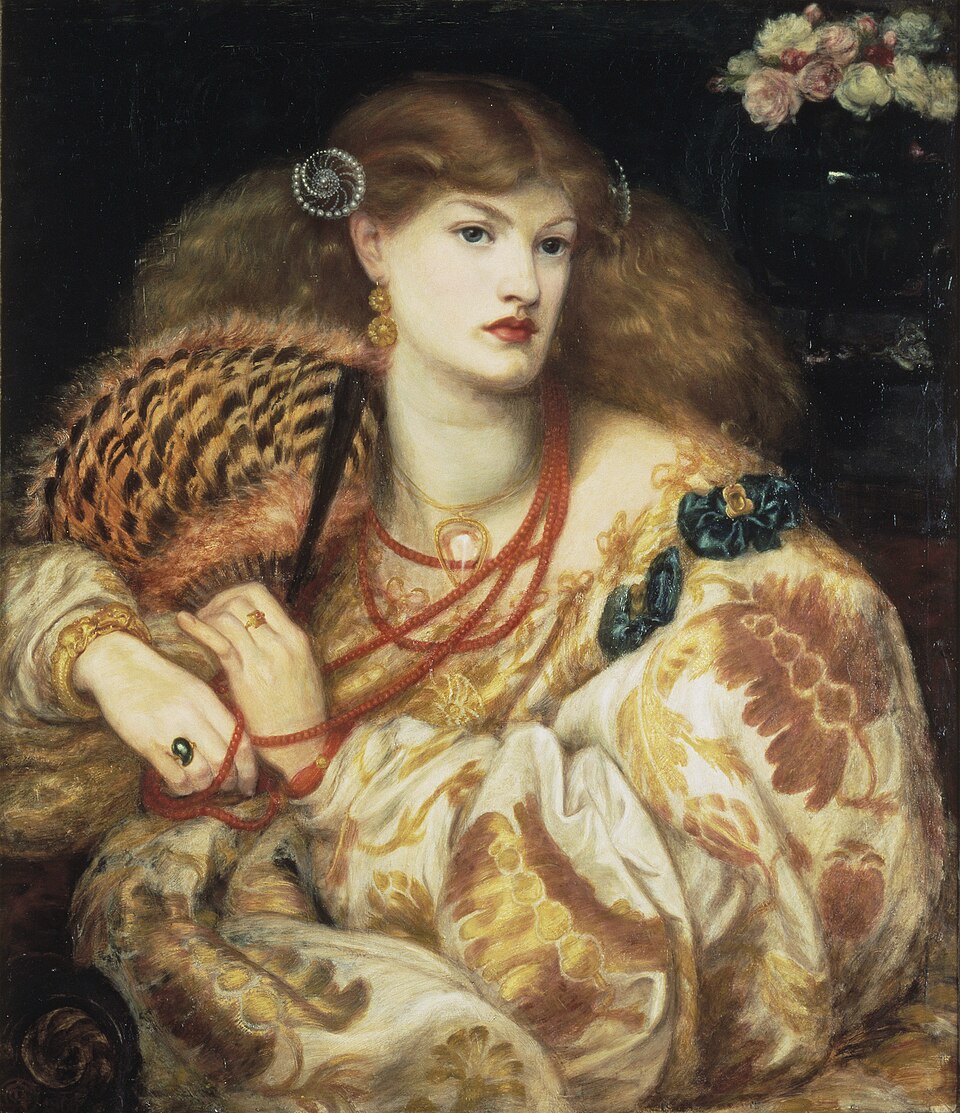
Coral at her throat, a feather fan on her shoulder, spiral shells in her hair. Rossetti called Monna Vanna probably the most effective room decoration he ever painted, and changed its name three times.
The story behind the painting
Monna Vanna is an 1866 oil on canvas by Dante Gabriel Rossetti. Its first title was Venus Veneta, Venetian Venus, a response to Titian and other 16th century painters. In a letter of 27 September 1866, Rossetti said he wanted to paint a Venetian lady in a rich dress of white and gold, in short the Venetian ideal of female beauty. The model was Alexa Wilding, one of his main sitters. The work was acquired by the collector William Henry Blackmore and later belonged to George Rae, one of Rossetti's patrons.
What to look for
Wilding appears frontal and half-length, her head turned to the right. Her skin is pale, luminous and delicate, in keeping with the aestheticism of the time, while her gaze is hard and penetrating. She holds a feather fan over her right shoulder and wears a red coral necklace, rings and earrings, chosen to show off Rossetti's skill. In her hair are two spiral, shell-shaped clips, accessories he loved, used here to stress the circular composition. A vase of flowers sits top right, and floral motifs cover her gold brocade robe.
Meaning and intent
After finishing, Rossetti renamed the picture Monna Vanna, from a character in chapter XXIV of Dante's La Vita Nuova, which he had translated into English in 1848. Wikipedia translates the name as vain woman, perhaps underlining the vanity of life, or more likely the subject's Italian origins. The woman may be Giovanna, beloved of the poet Guido Cavalcanti, linked with springtime in Dante, which the flowers echo. In 1873 Rossetti renamed it Belcolore, feeling the earlier titles missed its modernity, but Monna Vanna is the accepted title.
Legacy
From Rae the painting passed to Arthur Du Cros and Otto Beit, and the Tate Gallery bought it from them in 1916 with help from the National Art Collections Fund. It is now at Tate Britain in London. Wikipedia gives its size as 88.9 by 86.4 cm. Rossetti judged it probably the most effective room decoration he had ever painted, and the picture still shows how he took a Renaissance ideal of beauty and made it his own, with a model, a book and a passion of his own.
Did you know?
- Painted in 1866; the model was Alexa Wilding.
- First titled Venus Veneta, later Monna Vanna, briefly Belcolore.
- The title comes from Dante's La Vita Nuova.
- Bought by the Tate in 1916; now at Tate Britain.
About the artist
Dante Gabriel Rossetti (1828-1882)
National Gallery · Pre-Raphaelite Brotherhood · Tate
More by Dante Gabriel Rossetti
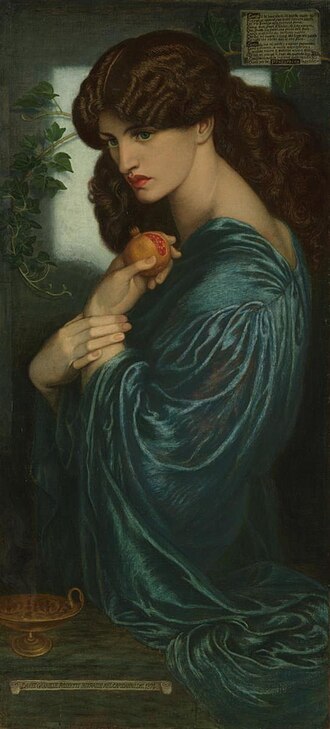 Proserpine - Dante Gabriel Rossetti (1874)
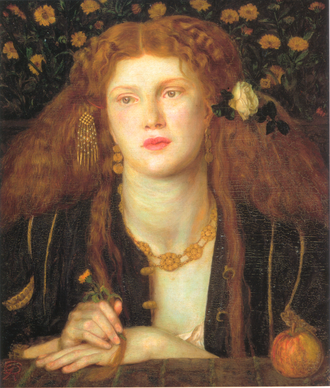 Bocca Baciata - Dante Gabriel Rossetti (1859)
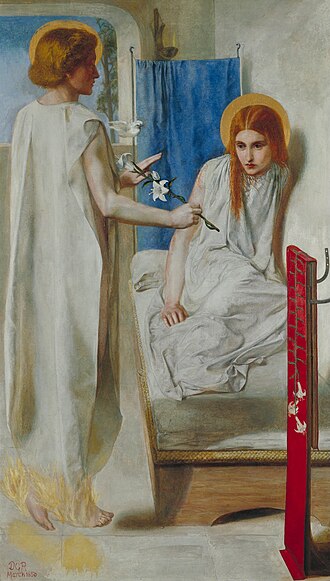 Ecce Ancilla Domini - Dante Gabriel Rossetti (1850)
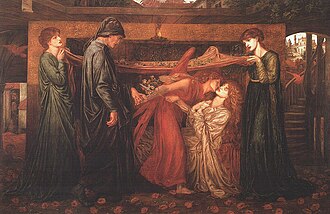 Dante's Dream - Dante Gabriel Rossetti (1871)
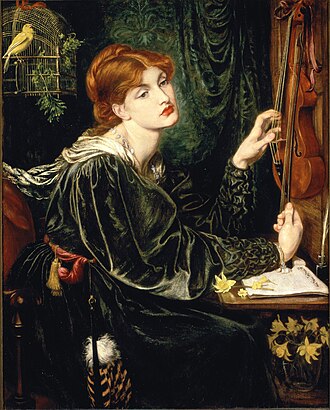 Veronica Veronese - Dante Gabriel Rossetti (1872)
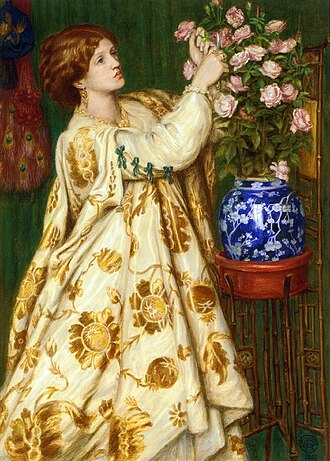 Monna Rosa - Dante Gabriel Rossetti (1867)
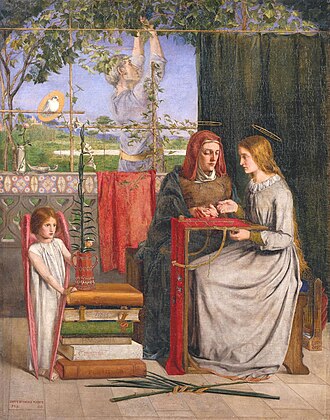 The Girlhood of Mary Virgin - Dante Gabriel Rossetti (1840s)
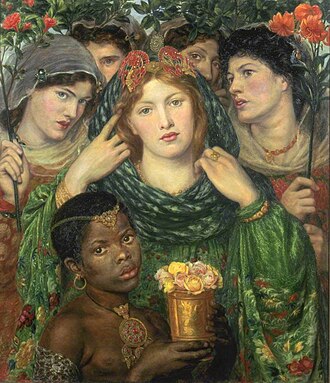 The Beloved - Dante Gabriel Rossetti (1865)
Paintings by related artists
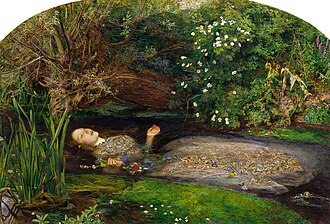 Ophelia - John Everett Millais (1851)
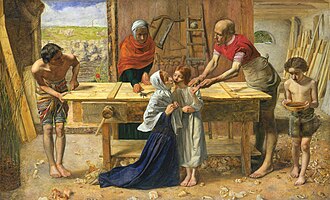 Christ in the House of His Parents - John Everett Millais (1849)
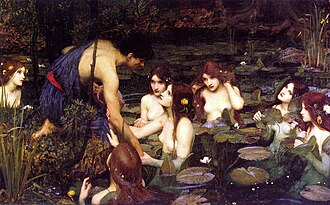 Hylas and the Nymphs - John William Waterhouse (1896)
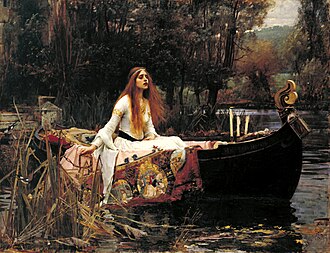 The Lady of Shalott - John William Waterhouse (1888)