Porträt der Mademoiselle Claus
Édouard Manet · 1868
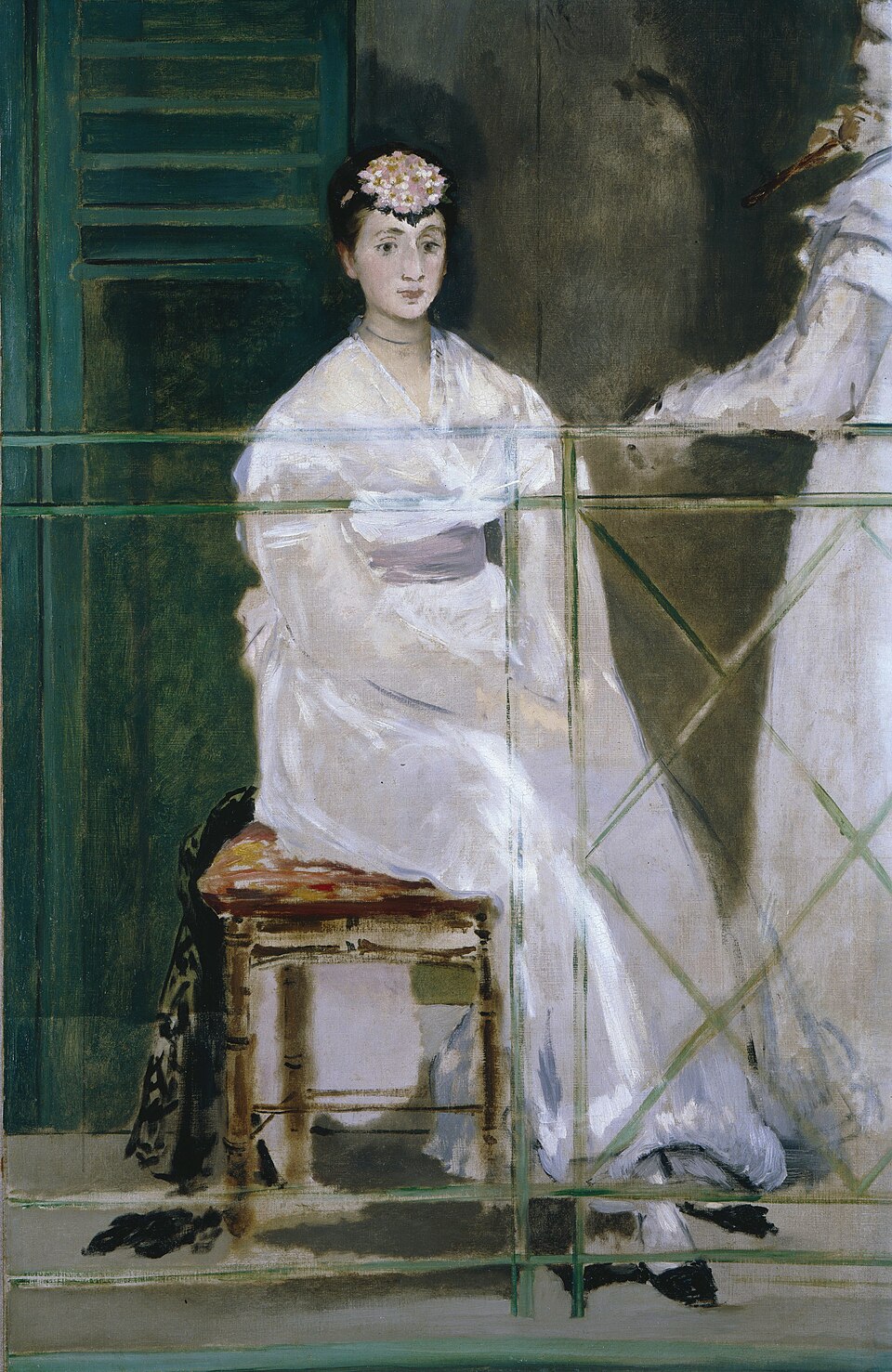
A young violinist in white sits on a sunlit balcony, a huge pink flower ornament in her hair, gazing at something we cannot see. Manet left this sketch unfinished, and it became the first step toward his famous The Balcony.
The story behind the painting
Manet painted this oil sketch in 1868. According to his biographer Étienne Moreau-Nélaton, the idea came during a stay in Boulogne-sur-Mer that year, where Manet watched people at a balcony window standing in full sunlight while the room behind lay in darkness. The picture itself was painted in his Paris studio at 81 Rue Guyot; the shutter and railing match those of the Batignolles district. Earlier, in Angelina, Manet had already painted a woman at an open window, and Goya's Majas on a Balcony may have inspired both works.
What to look for
Left of centre sits Fanny Claus, 22 years old, all in white, on a stool covered in red cloth. Her legs are crossed, her eyes fixed on a point outside the picture to the right. Much is only sketched, and the brown ground of the canvas shows through; her hands are mere hints. Her long pale face, by contrast, has sharp contours, dark wide-open eyes and thin pink lips. A large pink flower arrangement covers the front of her head. A second woman in white, cut off by the right edge, leans on the green railing, perhaps holding a parasol.
Meaning and intent
Manet preferred friends and family to professional models, whose poses seemed unnatural to him. Fanny Claus, a concert violinist in the Sainte-Cécile Quartet, played music with his wife Suzanne, a pianist, and later married the painter Pierre-Ernest Prins, a friend of Manet. The viewer's position is puzzling: too close to be looking up from the street, too near to be looking from a building opposite. The art historian Françoise Cachin noted that Manet could not have stood floating in empty space, giving the scene something artificial. Michael Wilson believed Manet never meant to finish it.
Legacy
Like all of Manet's oil sketches, it is neither signed nor dated. It is seen as a preliminary study for The Balcony, where Fanny Claus stands holding a folded parasol. A composition drawing for The Balcony from 1868 also exists; whether it came before or after this portrait is unclear. The painting stayed in private collections and was rarely exhibited. In 2012, after a large fundraising campaign, the Ashmolean Museum in Oxford acquired it. Wikipedia gives its size as 111 by 70 cm, while Wikidata lists it as 70 by 111 cm.
Schon gewusst?
- Painted in 1868 in Manet's Paris studio.
- Shows the violinist Fanny Claus, a friend of the Manet family.
- A study for Manet's The Balcony, never finished or signed.
- Acquired by the Ashmolean Museum, Oxford, in 2012.
Über den Künstler
Édouard Manet (1832-1883)
Porträt · Sitzen · Impressionismus · Kleid · Sitzbank · Berthe Morisot · Schuh
Mehr von Édouard Manet
 Das Frühstück im Grünen - Édouard Manet (1863)
 Olympia - Édouard Manet (1863)
%20(33539037428).jpg) Bar in den Folies-Bergère - Édouard Manet (1882)
Bar in den Folies-Bergère - Édouard Manet (1882)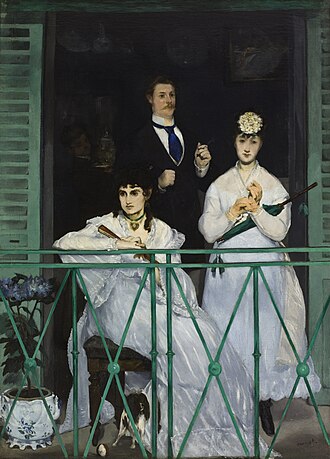 Der Balkon - Édouard Manet (1868)
.jpg) Musik im Tuileriengarten - Édouard Manet (1862)
Musik im Tuileriengarten - Édouard Manet (1862).jpg) Der Pfeifer - Édouard Manet (1866)
Der Pfeifer - Édouard Manet (1866) Die Eisenbahn - Édouard Manet (1873)
 Berthe Morisot mit Veilchenstrauß - Édouard Manet (1872)
Werke verwandter Künstler
 Impression, Sonnenaufgang - Claude Monet (1872)
 Seerosen - Claude Monet (1906)
 Tanz im Moulin de la Galette - Pierre-Auguste Renoir (1876)
 Das Frühstück der Ruderer - Pierre-Auguste Renoir (1881)
 Der Absinth - Edgar Degas (1875)
 Die Bellelli Familie - Edgar Degas (1858)
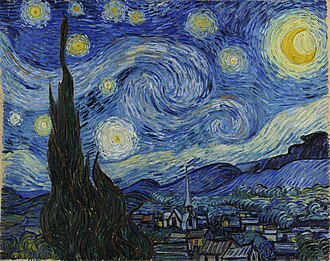 Die Sternennacht - Vincent van Gogh (1889)
.jpg) Caféterrasse am Abend - Vincent van Gogh (1888)
Caféterrasse am Abend - Vincent van Gogh (1888)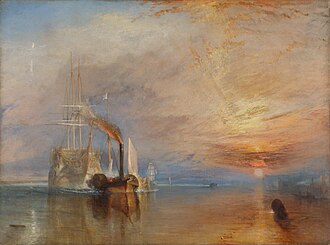 Die letzte Fahrt der Temeraire - J. M. W. Turner (1839)
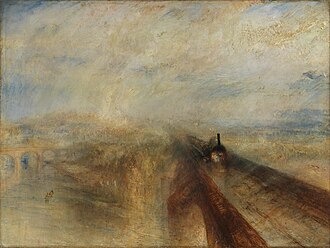 Rain, Steam and Speed - The Great Western Railway - J. M. W. Turner (1844)
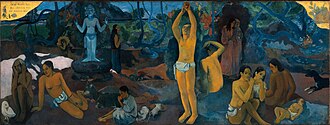 Woher kommen wir? Wer sind wir? Wohin gehen wir? - Paul Gauguin (1897-1898)
%201889.jpg) Der gelbe Christus - Paul Gauguin (1889)
Der gelbe Christus - Paul Gauguin (1889)