Entry of Christ into Jerusalem
Anthonis van Dyck · 1617
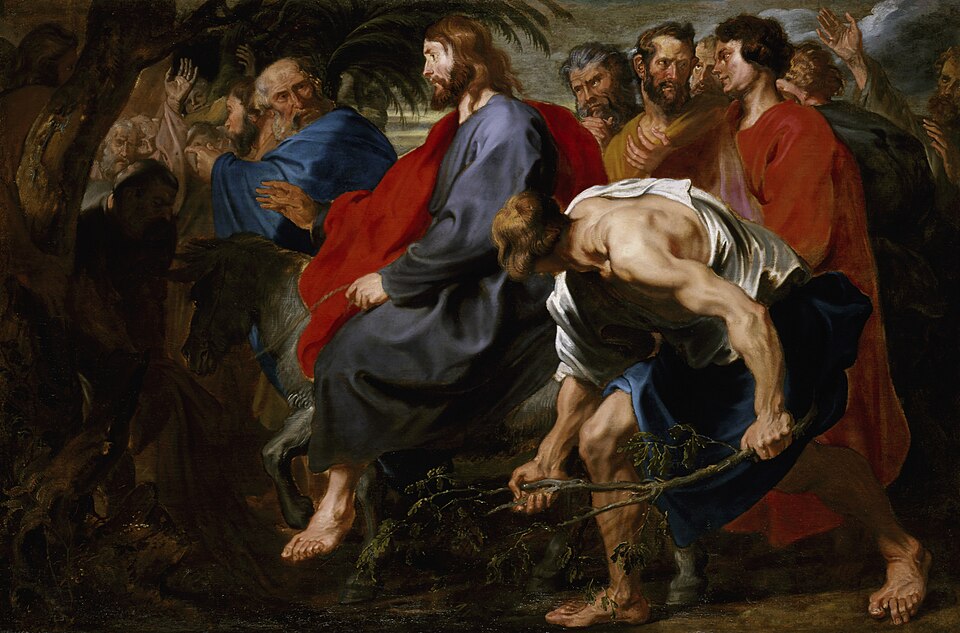
Christ rides into Jerusalem wrapped in blue and crimson while the crowd throws branches at his feet. Van Dyck was only about 18 when he painted it, and the canvas still feels young and restless.
The story behind the painting
Van Dyck painted this scene in 1617, when he was about 18 and already the principal assistant of Peter Paul Rubens in Antwerp. It shows Jesus entering Jerusalem as told in the Gospels, the event remembered on Palm Sunday. While he was working toward a more robust style of his own, Rubens's influence shows in the vivid colour, the dynamic composition and the grand scale. The canvas is large, about 151 by 229 cm.
What to look for
The young donkey Christ rides is almost hidden by his rich blue and crimson robes. His disciples walk around him, and local people greet him joyfully, laying branches in his path. The colours are bright and the brushstrokes slashing. The figures are large, muscular and restless, in a characteristically Baroque way, and their naturalism brings the story very close to the viewer. Let your eye follow the branches on the ground up to the calm figure at the centre of all this motion.
Meaning and intent
The painting follows the biblical accounts closely, but its force lies in the energy of the young painter. The size and immediacy of the figures turn a familiar story into drama. When the Prado showed it in 2012 to 2013, it was singled out as one of his most experimental works, painted as he tried to heighten the visual impact of his pictures. It shows how early his mastery came.
Legacy
Herman C. Krannert and his wife bought it in 1958 as a gift for the Herron School of Art, which later grew in part into the Indianapolis Museum of Art, where it hangs as accession number 58.3. From November 2012 to March 2013 it travelled to the Prado for The Young van Dyck, an exhibition of about 90 works from his years in Antwerp, between the ages of 16 and 22.
Schon gewusst?
- Painted in 1617, when van Dyck was about 18.
- Van Dyck was then Rubens's principal assistant.
- Shown at the Prado in The Young van Dyck, 2012-2013.
- Given to the Herron School of Art in 1958, now in Indianapolis.
Über den Künstler
Anthonis van Dyck (1599-1641)
religiöse Kunst · Museo de Arte de Indianápolis
Mehr von Anthonis van Dyck
%20-%20Google%20Art%20Project.jpg) Dreifachporträt von Karl I. - Anthony van Dyck (1635)
Dreifachporträt von Karl I. - Anthony van Dyck (1635)%20with%20M.%20de%20St%20Antoine%20-%20Google%20Art%20Project.jpg) Karl I mit M. de St. Antoine - Anthony van Dyck (1636)
Karl I mit M. de St. Antoine - Anthony van Dyck (1636)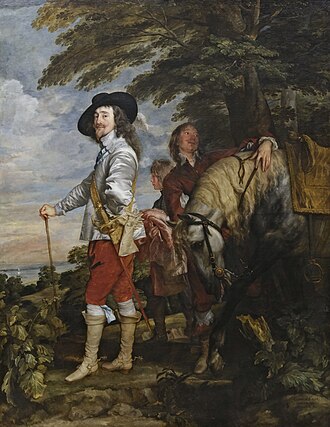 Karl I. auf der Jagd - Anthony van Dyck (1635)
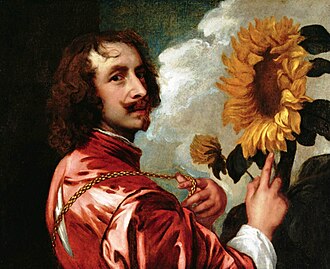 Selbstporträt - Anthony van Dyck (1632)
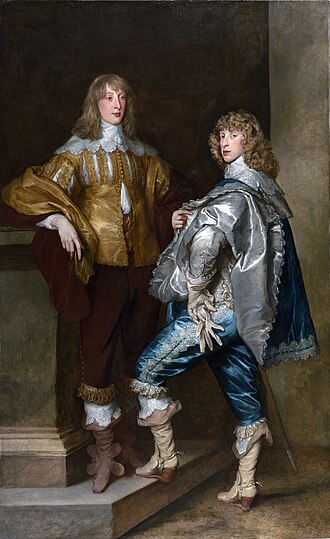 Lord John Stuart and His Brother, Lord Bernard Stuart - Anthony van Dyck (1638)
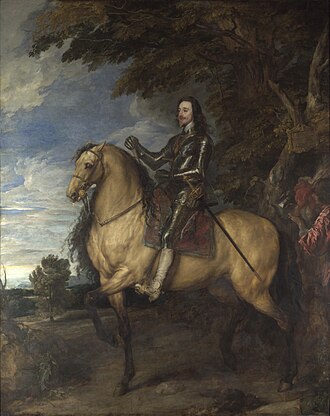 Reiterporträt Karls I - Anthony van Dyck (1637)
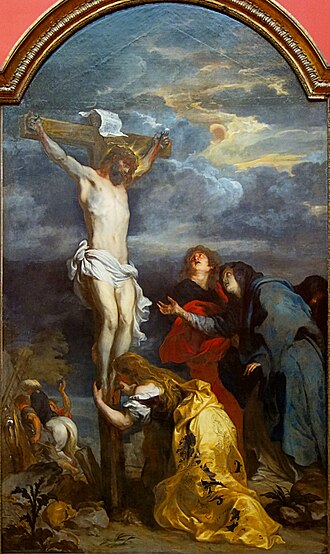 Crucifixion - Anthony van Dyck
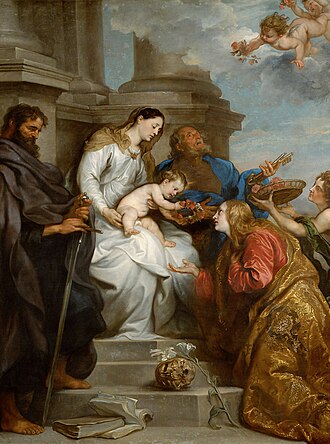 Maria mit Kind und den Hll. Rosalia, Petrus und Paulus - Anthony van Dyck (1629)
Werke verwandter Künstler
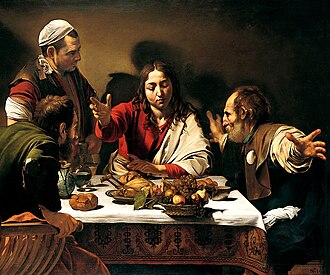 Das Abendmahl in Emmaus - Caravaggio (1601)
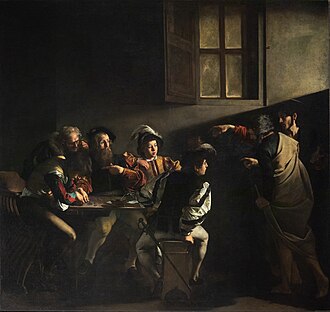 Die Berufung des Hl. Matthäus - Caravaggio (1609)
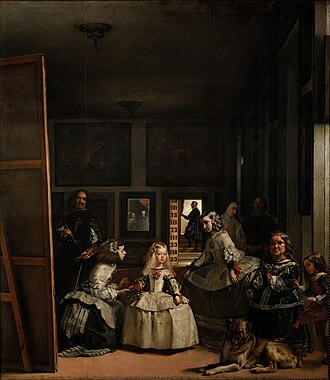 Las Meninas - Diego Velázquez (1656)
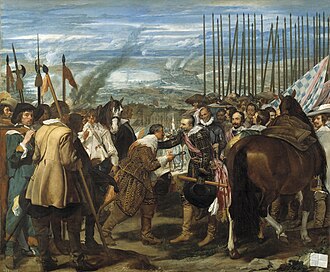 Die Übergabe von Breda - Diego Velázquez (1635)
.jpg) Die Aufrichtung des Kreuzes - Peter Paul Rubens (1609)
Die Aufrichtung des Kreuzes - Peter Paul Rubens (1609)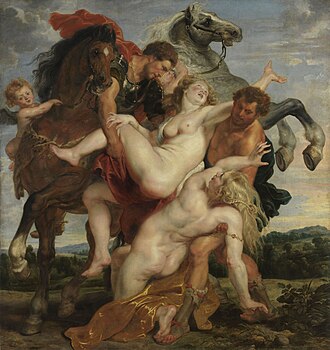 Der Raub der Töchter des Leukippos - Peter Paul Rubens (1618)
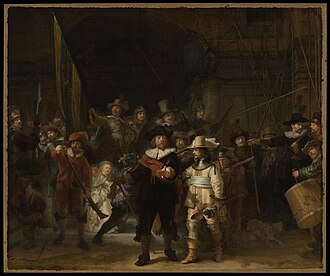 Die Nachtwache - Rembrandt van Rijn (1642)
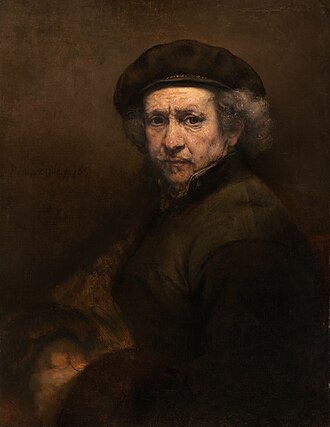 Selbstbildnis - Rembrandt van Rijn (1659)
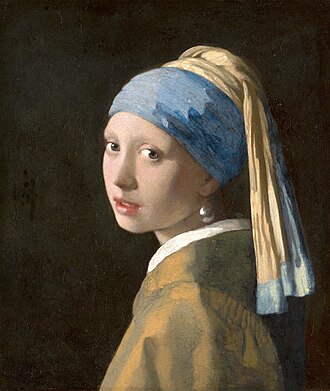 Das Mädchen mit dem Perlenohrgehänge - Johannes Vermeer (1665)
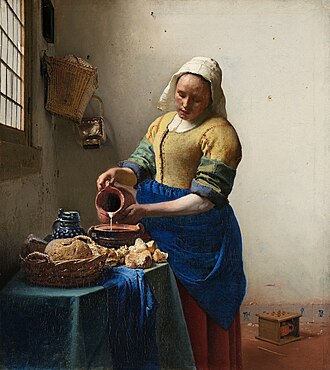 Dienstmagd mit Milchkrug - Johannes Vermeer (c. 1658)