デル・カルピオ伯爵夫人、ラ・ソラナ侯爵夫人の肖像
Francisco Goya · 1790s
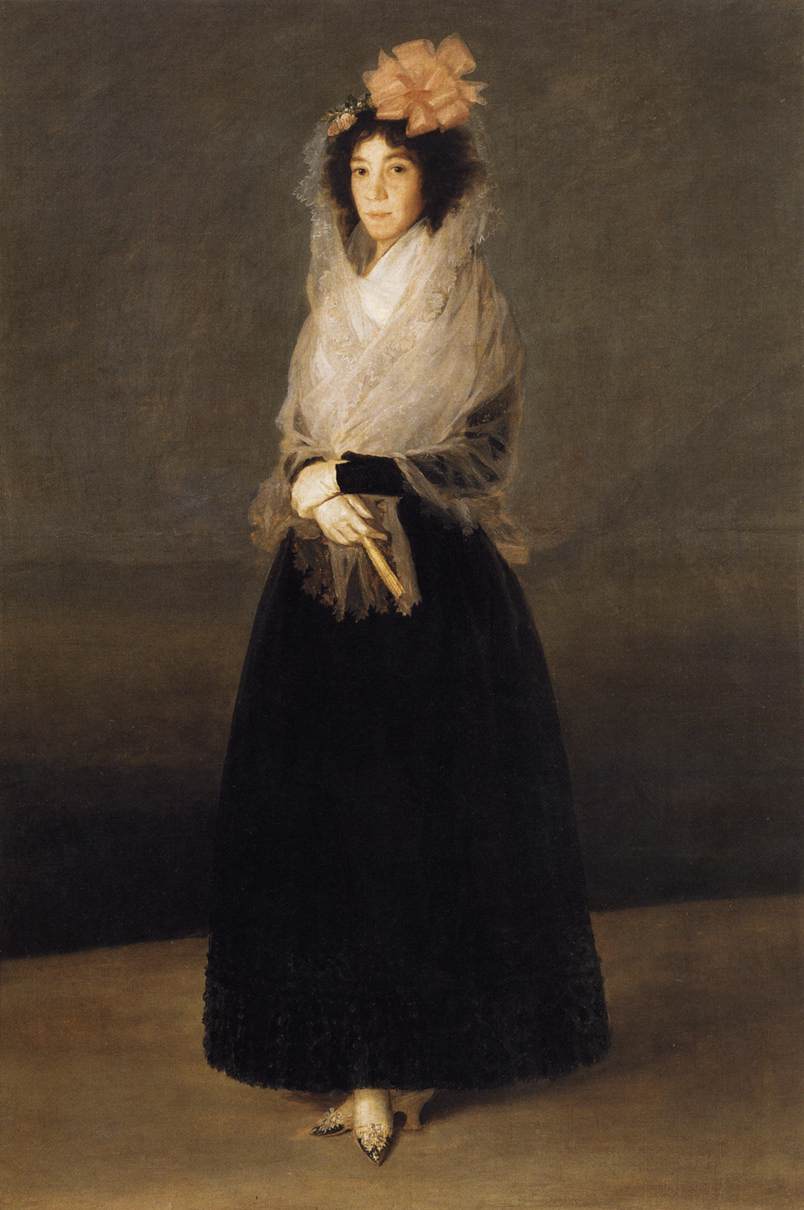
A pale woman in black stands alone against an empty ground a fan in her hand. Goya painted his friend the Marquise de la Solana in 1795, the year she died.
The story behind the painting
Rita de Barrenechea, Marquise de la Solana and Countess del Carpio, was a writer and playwright of the Spanish Enlightenment. She shared many liberal ideas with Goya, who was her personal friend. By the 1790s Goya was a fashionable painter, much in demand among the aristocracy and upper middle class of Madrid. According to the Louvre, she sat for this portrait at 38, believing she was nearing death because of her illness. She died in 1795, shortly after it was finished. Wikipedia dates it 1795, while Wikidata gives only the 1790s.
What to look for
This is a full length portrait in oil on canvas, 181 by 122 cm. She wears a black dress with a shawl and gauze. Her pale face shows the illness she suffered from, yet her bearing remains proud and dignified. Both her hands and her feet appear crossed, and she holds a fan in her right hand. The background is neutral and evanescent, in the tradition of Velazquez, with no other visual cues, so the eye goes straight to her gaze.
Meaning and intent
The black dress has been read as an anticipation of her coming death. She does not seem afraid, rather prepared to face her end. With nothing in the background to distract, Goya creates a silent dialogue between the marquise and the viewer, and renders a character that appears proud and benevolent. The portrait presents her elegance and beauty at the same time as her fragility. It is the picture of a friend, painted with respect rather than flattery.
Legacy
Alongside the Velazquez tradition, the painting shows the influence of the great English portraitists such as Thomas Gainsborough and Joshua Reynolds, whose work Goya knew through engraved reproductions. In 1953 the collector Carlos de Beistegui gave the portrait to the Louvre in Paris, where it hangs today. A friend's last portrait, made in the year of her death, it keeps her gaze, proud and calm, in front of every visitor.
豆知識
- Painted in 1795, the year the sitter died.
- The sitter was a writer and a friend of Goya.
- Influenced by Velazquez and English portraitists.
- Given to the Louvre by Carlos de Beistegui in 1953.
画家について
Francisco Goya (1746-1828)
女性 · 肖像 · ルーヴル美術館絵画部門 · 扇子
同じ画家の作品: Francisco Goya
 1808年5月3日 - Francisco Goya (1814)
.jpg) 裸のマハ - Francisco Goya (1800)
裸のマハ - Francisco Goya (1800).jpg) 我が子を食らうサトゥルヌス - Francisco Goya (1819)
我が子を食らうサトゥルヌス - Francisco Goya (1819) カルロス4世の家族 - Francisco Goya (1800)
 着衣のマハ - Francisco Goya (1800)
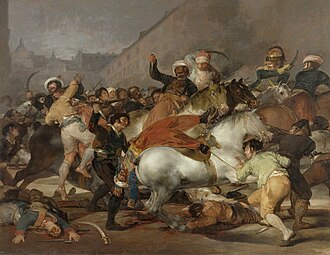 1808年5月2日、エジプト人親衛隊との戦闘 - Francisco Goya (1814)
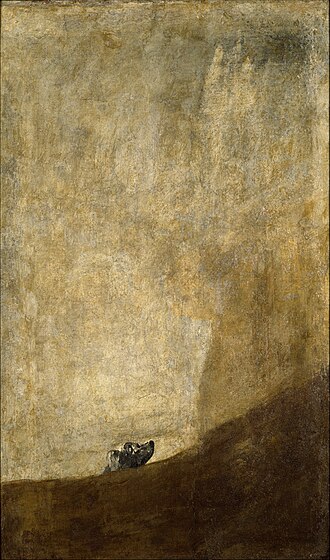 犬 - Francisco Goya (1819)
 魔女の夜宴 - Francisco Goya (1820s)
関連する画家の作品
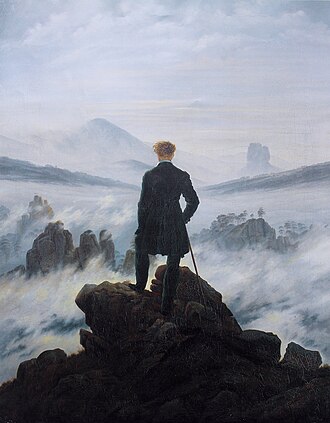 雲海の上の旅人 - Caspar David Friedrich (c. 1818)
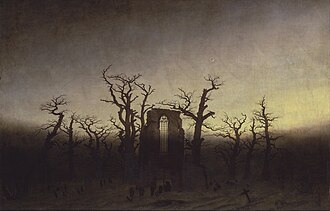 楡の木のある僧院 - Caspar David Friedrich (1800s)
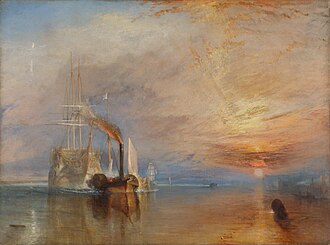 戦艦テメレール号 - J. M. W. Turner (1839)
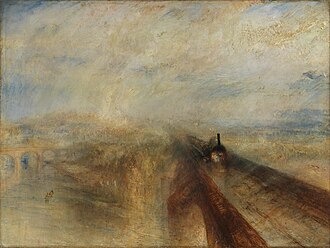 雨、蒸気、速度 - グレート・ウェスタン鉄道 - J. M. W. Turner (1844)
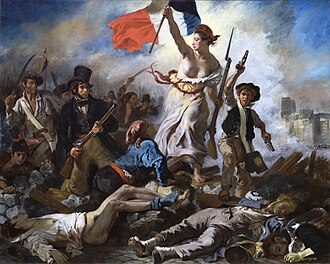 民衆を導く自由の女神 - Eugène Delacroix (1830)
 サルダナパールの死 - Eugène Delacroix (1827)