Portrait of Luis of Etruria
Francisco Goya · 1800
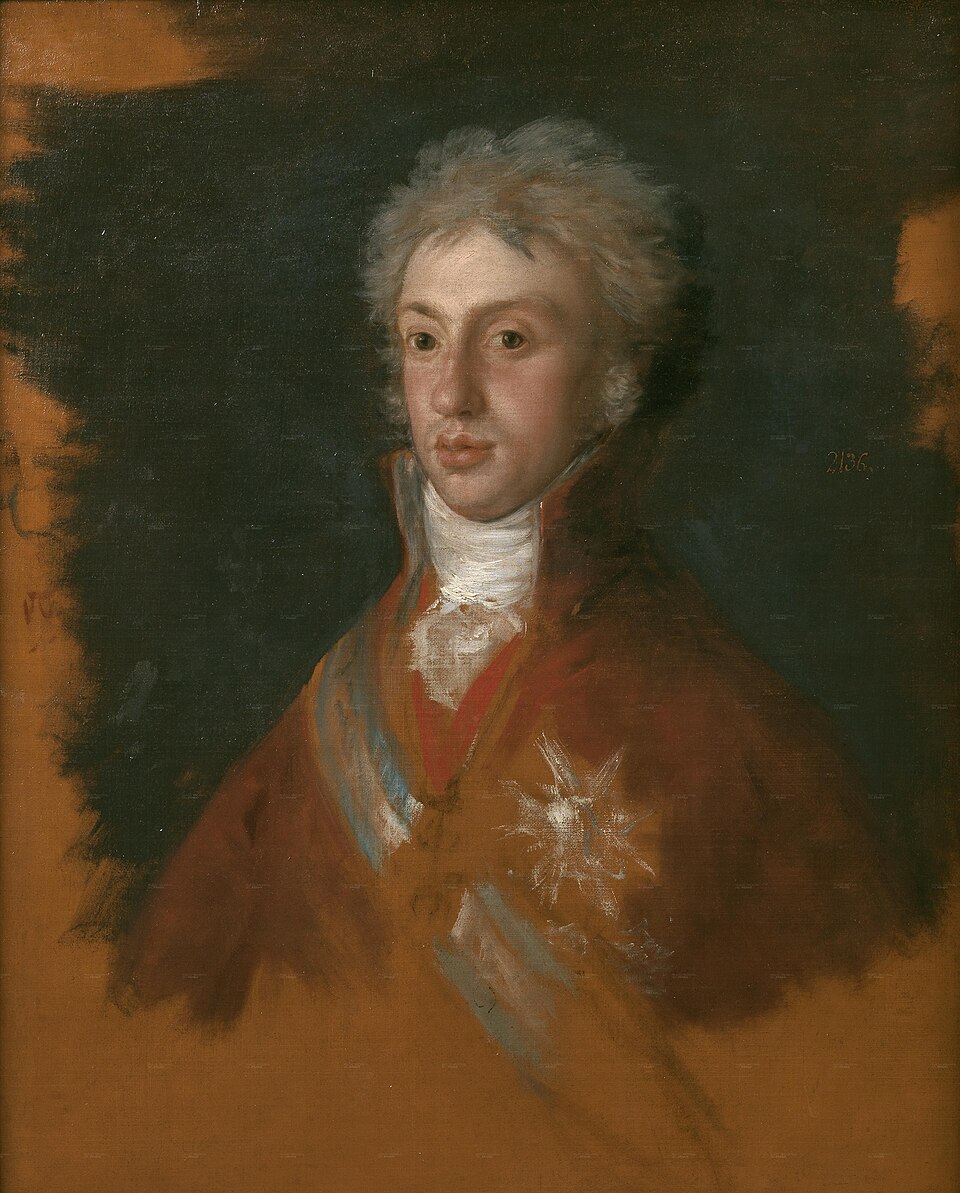
In the summer of 1800 Goya painted a young prince on a red ground, quickly and directly, as a study for his great royal family portrait. The man looks vibrant and full of life. He would be dead two years later.
The story behind the painting
This oil sketch is one of ten studies from life that Goya painted at the royal palace of Aranjuez in the summer of 1800, while preparing The Family of Charles IV. At the wish of Queen Maria Luisa of Parma, he painted each member of the royal family separately, so that they would not all have to pose together for long hours. The sitter is Louis of Bourbon, son of Ferdinand I of Parma and Maria Amalia of Austria. He was duke of Parma and became king of Etruria. He married the Infanta Maria Luisa, daughter of Charles IV of Spain and Maria Luisa of Parma, and from them descends the House of Bourbon-Parma.
What to look for
All of these sketches share a red ground layer and facial features built up in a single tone, as are the main masses. Once the planes and proportions were set, Goya added the nuances of colour. Here you can see that method at work, the warm ground glowing through. The prince wears the red sash of the Golden Fleece, together with the ribbons of the Order of Charles III of Spain and the Order of Saint Januarius. Wikidata gives the size as 72.5 by 59.4 cm. Compare the face with the finished group portrait: in this study it looks far more solemn and serious.
Meaning and intent
The French Wikipedia article calls this one of the most interesting portraits Goya made for The Family of Charles IV. The painter captures in the king of Etruria a vibrant, expressive figure, apparently full of vitality. The sketch was a working tool, a way to fix a likeness without keeping the whole court standing still, yet it has its own life. Knowing that the sitter died only two years after it was painted gives that lively face a quiet poignancy: the vitality Goya recorded so swiftly would not last.
Legacy
The painting came from the royal collections and was recorded in the royal palace in Madrid in 1814. It entered the Prado before 1834, since it appears in that year's inventory of the Royal Museum, and it was first cited in the Prado's official catalogue in 1872. It remains in the Museo del Prado in Madrid, alongside the great group portrait for which it was made, so visitors can still compare the quick study with the finished royal family.
豆知識
- An oil sketch for The Family of Charles IV, painted at Aranjuez in summer 1800.
- One of ten studies from life of members of the royal family.
- Shows the Golden Fleece and the orders of Charles III and Saint Januarius.
- In the Prado since before 1834.
画家について
Francisco Goya (1746-1828)
肖像 · 男性 · プラド美術館 · 西欧の服飾 · 金羊毛 · 聖ヤヌアリウス勲章
同じ画家の作品: Francisco Goya
 1808年5月3日 - Francisco Goya (1814)
.jpg) 裸のマハ - Francisco Goya (1800)
裸のマハ - Francisco Goya (1800).jpg) 我が子を食らうサトゥルヌス - Francisco Goya (1819)
我が子を食らうサトゥルヌス - Francisco Goya (1819)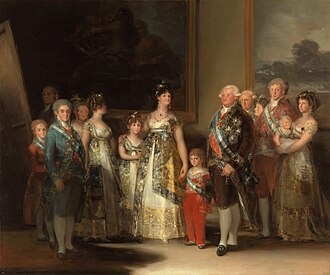 カルロス4世の家族 - Francisco Goya (1800)
 着衣のマハ - Francisco Goya (1800)
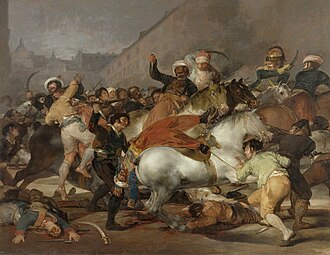 1808年5月2日、エジプト人親衛隊との戦闘 - Francisco Goya (1814)
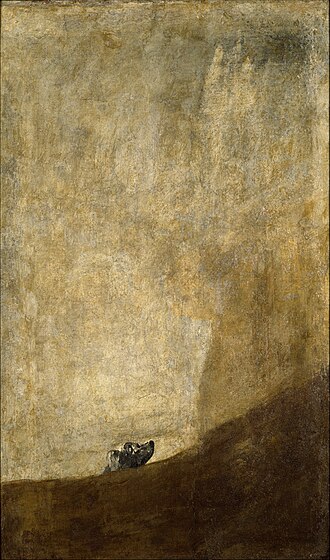 犬 - Francisco Goya (1819)
 魔女の夜宴 - Francisco Goya (1820s)
関連する画家の作品
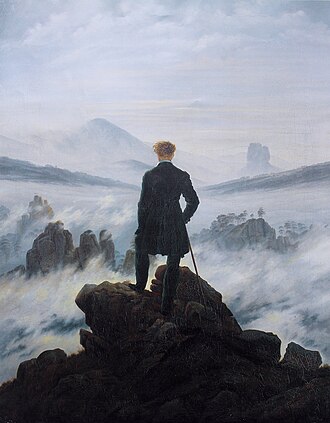 雲海の上の旅人 - Caspar David Friedrich (c. 1818)
 楡の木のある僧院 - Caspar David Friedrich (1800s)
 戦艦テメレール号 - J. M. W. Turner (1839)
 雨、蒸気、速度 - グレート・ウェスタン鉄道 - J. M. W. Turner (1844)
 民衆を導く自由の女神 - Eugène Delacroix (1830)
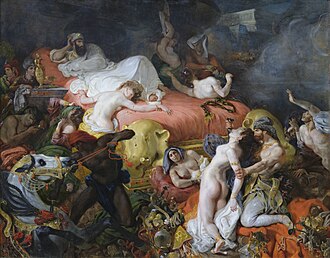 サルダナパールの死 - Eugène Delacroix (1827)