フェルディナン・ギユマルデの肖像
Francisco Goya · 1798
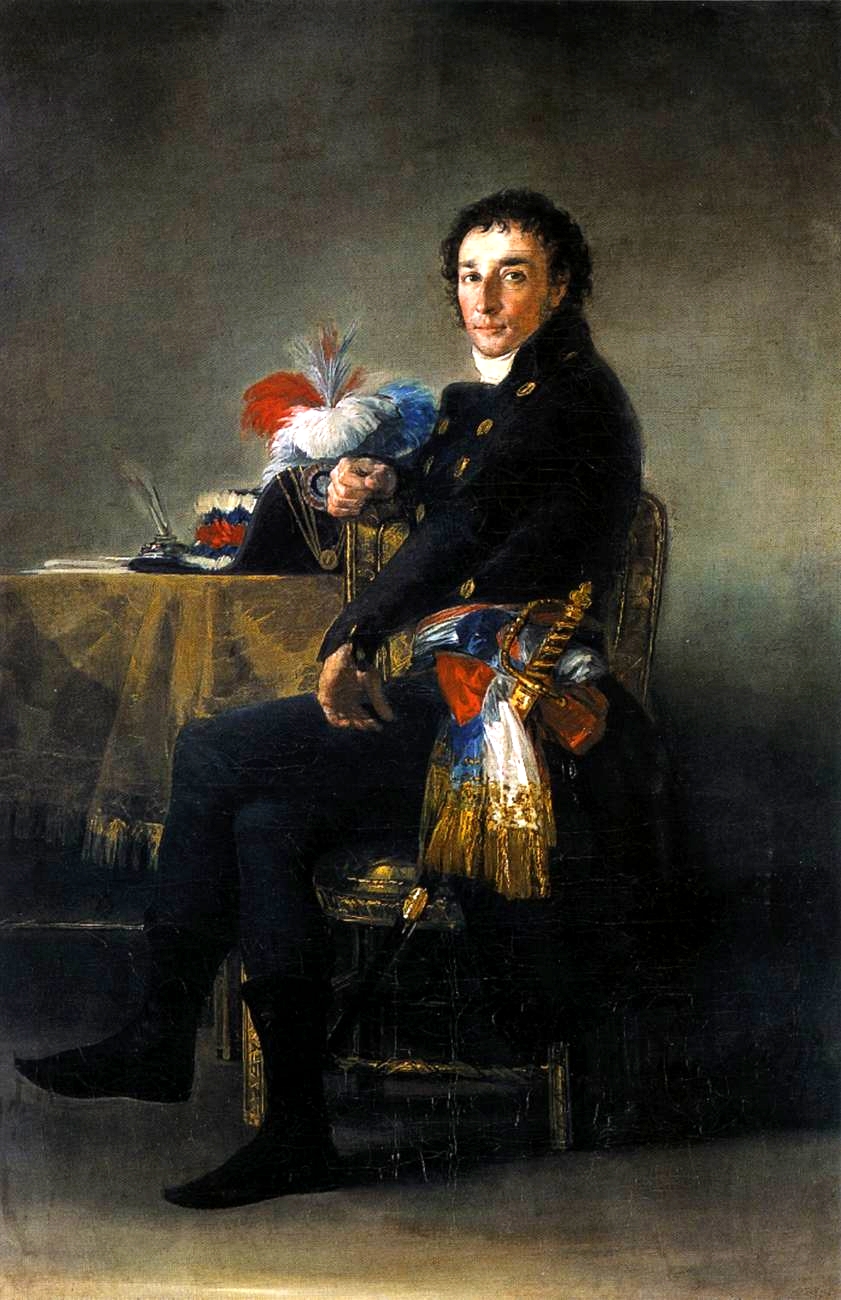
A French ambassador sits with legs crossed and looks straight at us, the blue, white and red of the young Republic blazing on his sash and hat. Goya counted this portrait among his own favourite paintings.
The story behind the painting
Goya painted this portrait in 1798 to 1799. Its sitter, Ferdinand Guillemardet, who lived from 1765 to 1809, was the French ambassador to Spain between 1798 and 1800. He had been a deputy of the Convention and was known for an edict turning church buildings into civil meeting centres. Why the portrait was made is not known. It is possible that Guillemardet was encouraged to sit for the King's Chamber Painter by the ministers Mariano Luis de Urquijo or Gaspar Melchor de Jovellanos, who were more friendly towards France.
What to look for
Guillemardet sits with his body in profile while his face turns toward us with an intelligent gaze, legs crossed in a relaxed attitude. The pose looks natural but is carefully studied, as Goya wanted to move away from the stiffer postures of his other sitters. Look for the colours of the French Republic, blue, red and white, vivid on the sash tied around his waist and on the cockade and feathers of the bicorne hat on the table behind him. They stand out against the soft gold of the table and chair. Goya builds the rest with subtle nuances and reflections in the bluish blacks that dominate the canvas.
Meaning and intent
The portrait presents an energetic man, the representative of a powerful neighbouring nation. Guillemardet personifies the French Republic, sure of itself, and he is shown as completely confident in the power of the young state he serves. The relaxed crossing of the legs and the steady gaze turn that political confidence into something personal and alive. According to Goya himself, it was one of his favourite paintings, perhaps because here he could combine bold symbolic colour with the delicate play of dark tones in which he was a master.
Legacy
The portrait was exhibited at the Real Academia de Bellas Artes de San Fernando in Madrid in July 1799. Guillemardet then took it with him to France. It was later given to the Louvre by his son Félix, a friend of the painter Eugène Delacroix, and it hangs there today. Through that gift, Goya's image of a confident revolutionary diplomat entered the museum, where Wikidata records it in the Department of Paintings, and where it can still be seen as one of the most lively portraits from his years as court painter.
豆知識
- Painted in 1798-1799.
- The sitter was French ambassador to Spain from 1798 to 1800.
- Goya named it among his favourite paintings.
- Given to the Louvre by the sitter's son Félix.
画家について
Francisco Goya (1746-1828)
肖像 · 男性 · ルーヴル美術館絵画部門 · 座法 · テーブル · 西欧の服飾 · 椅子 · 剣 · 二角帽子
同じ画家の作品: Francisco Goya
 1808年5月3日 - Francisco Goya (1814)
.jpg) 裸のマハ - Francisco Goya (1800)
裸のマハ - Francisco Goya (1800).jpg) 我が子を食らうサトゥルヌス - Francisco Goya (1819)
我が子を食らうサトゥルヌス - Francisco Goya (1819) カルロス4世の家族 - Francisco Goya (1800)
 着衣のマハ - Francisco Goya (1800)
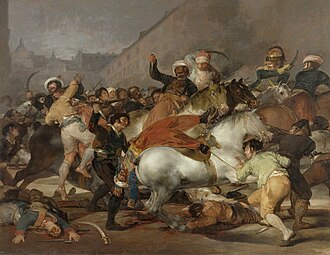 1808年5月2日、エジプト人親衛隊との戦闘 - Francisco Goya (1814)
 犬 - Francisco Goya (1819)
 魔女の夜宴 - Francisco Goya (1820s)
関連する画家の作品
 雲海の上の旅人 - Caspar David Friedrich (c. 1818)
 楡の木のある僧院 - Caspar David Friedrich (1800s)
 民衆を導く自由の女神 - Eugène Delacroix (1830)
 サルダナパールの死 - Eugène Delacroix (1827)
 戦艦テメレール号 - J. M. W. Turner (1839)
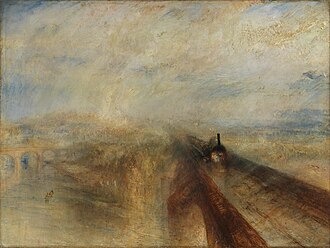 雨、蒸気、速度 - グレート・ウェスタン鉄道 - J. M. W. Turner (1844)
.jpg) 青衣の少年 - Thomas Gainsborough (1770)
青衣の少年 - Thomas Gainsborough (1770).jpg) アンドリューズ夫妻 - Thomas Gainsborough (1748)
アンドリューズ夫妻 - Thomas Gainsborough (1748)