Schubert at the Piano II
Gustav Klimt · 1899
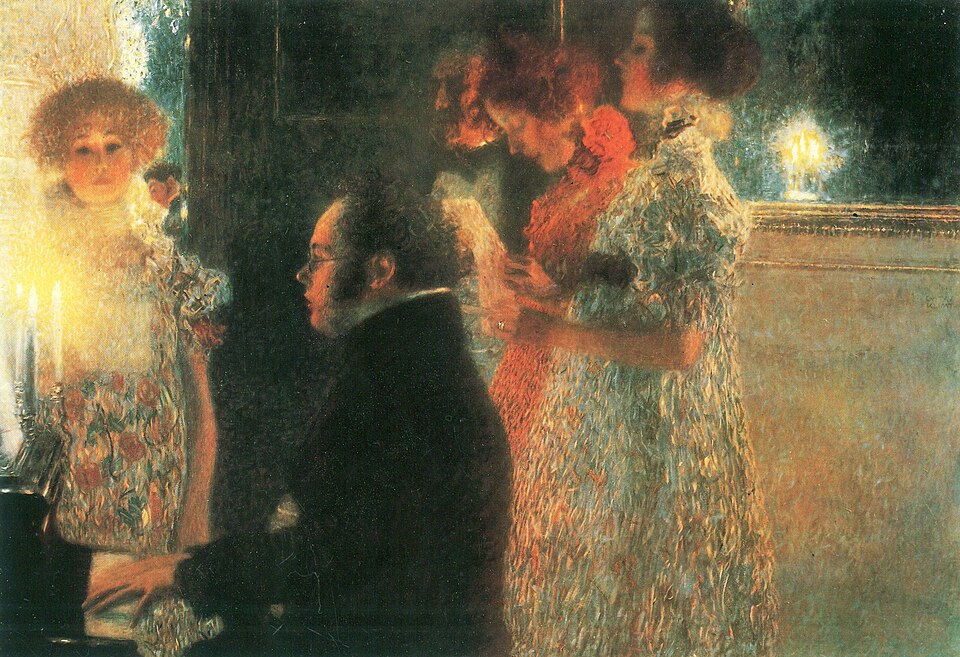
By candlelight Franz Schubert plays for a few friends, and the room seems to hum with music. Klimt painted this tender scene in 1899; in 1945 it burned in a castle in Austria, and we know it now only from a photograph.
The story behind the painting
Klimt painted Schubert at the Piano in 1899, in the years when he was a guiding light of the new Vienna Secession and his style was turning toward Art Nouveau, with its organic shapes and flowing lines. The painting may have been commissioned in 1898 by the Greek industrialist Nikolaus Dumba. Wikipedia links the work to Klimt's interest in Nietzsche's The Birth of Tragedy, which saw music as a path into the depths of the mind; Schubert at the Piano and Music II were his two explorations of that idea.
What to look for
The canvas measured 150 by 200 cm, according to Wikidata. Reading from left to right: a smooth, glossy piano with candles lighting the score, then Schubert, a little off-centre, fingers curved over the keys, in a dark jacket and white collar, eyes on the music. Beside him a woman in a high white dress with rosy flowers looks out at us; some say she is Marie Zimmermann, mother of two of Klimt's sons. Behind stand a woman in white, a woman in red holding music, and a man in shadow. Notice how every face is soft and blended while the clothes are thick with visible brushstrokes, except Schubert's smooth dark coat.
Meaning and intent
The scene seems to be a private drawing-room performance, close and warm. Because Schubert alone is painted smoothly, the eye finds him at once amid the flickering texture around him. Some sources note that the listeners' clothes look closer to Klimt's own time than Schubert's, so the past and the present share one candlelit room. It is a picture about listening: everyone gathers around the sound, and the candles make the music almost visible. Wikipedia ties it to Klimt's belief, drawn from Nietzsche, that music reaches the hidden depths of the mind.
Legacy
According to Wikipedia, the Jewish industrialist August Lederer and his family, avid collectors of Klimt, later acquired Music II and Schubert at the Piano, though the article also names Dumba as the possible commissioner. The Nazis seized the Lederer collection in 1938. After a Klimt exhibition in Vienna in 1943, many works were sent for safekeeping to Schloss Immendorf. In May 1945 an SS unit set off explosives in the castle, and witnesses said no artwork survived. Only photographs preserve the painting today.
Lo sapevi?
- Painted by Klimt in 1899.
- Possibly commissioned by Nikolaus Dumba in 1898.
- Seized from the Lederer family by the Nazis in 1938.
- Destroyed in the fire at Schloss Immendorf in 1945.
Wikipedia · Wikidata · Wikipedia
L'artista
Gustav Klimt (1862-1918)
Altre opere di Gustav Klimt
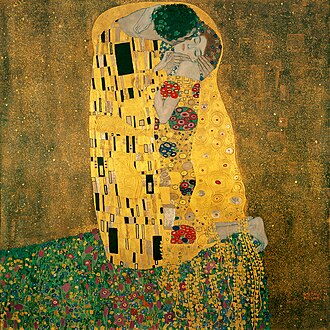 The Kiss - Gustav Klimt (1907-1908)
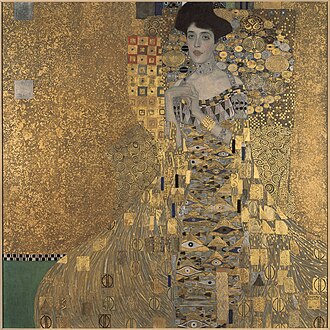 Portrait of Adele Bloch-Bauer I - Gustav Klimt (1907)
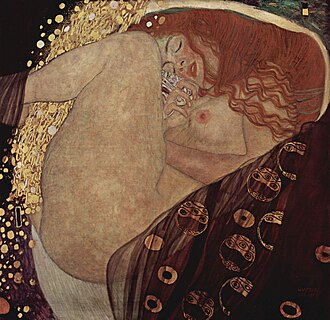 Danaë - Gustav Klimt (1907)
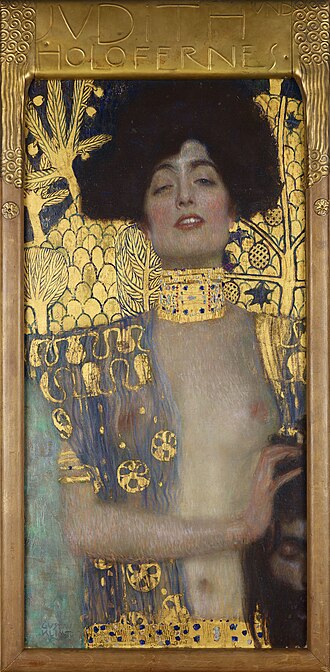 Judith I - Gustav Klimt (1901)
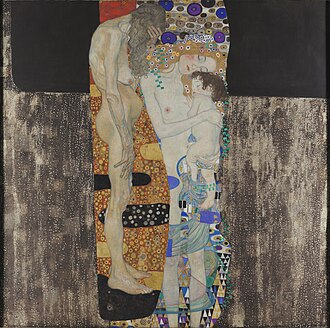 The Three Ages of Woman - Gustav Klimt (1905)
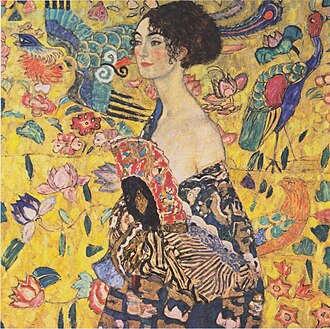 Woman With a Fan - Gustav Klimt (1917)
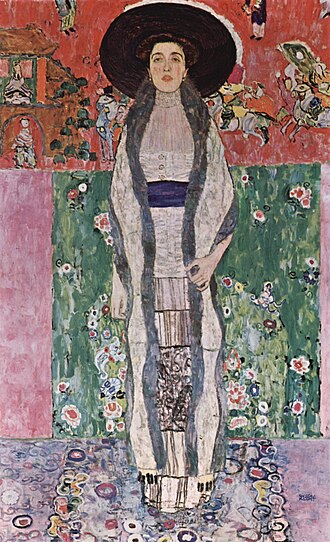 Adele Bloch-Bauer II - Gustav Klimt (1912)
 Portrait of a Lady - Gustav Klimt (1910s)