The Kiss
Gustav Klimt · 1907-1908
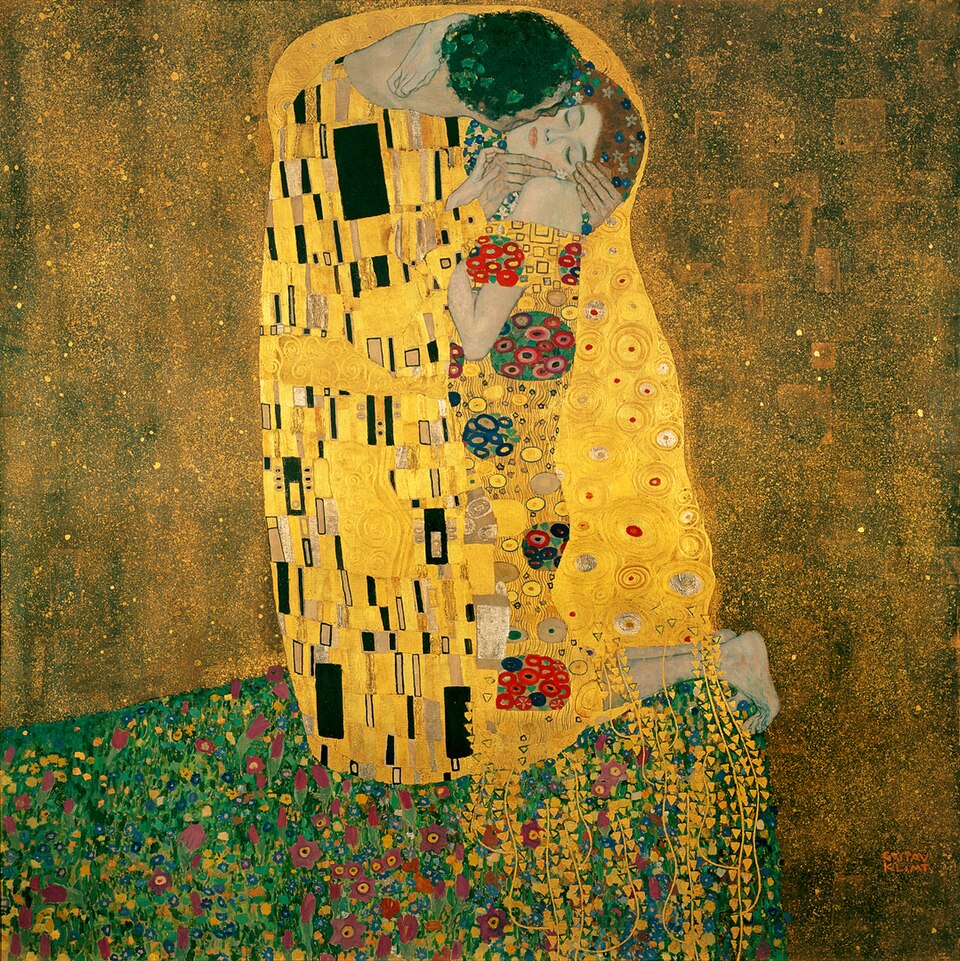
A masterpiece of intimacy and opulence, Gustav Klimt's 'The Kiss' is a painting that draws you in with its golden glow and tender, yet passionate, portrayal of love.
The story behind the painting
Painted between 1907 and 1908, 'The Kiss' is a seminal work from Gustav Klimt's 'Golden Period', characterized by its lavish use of gold leaf. This was a time when Klimt, having faced controversy with his previous works, sought to redefine his artistic expression. The painting was exhibited in 1908 under the title 'Liebespaar' (The Lovers) and was purchased by the Austrian government while still unfinished. It showcases Klimt's unique blend of Art Nouveau and Symbolist influences, reflecting his fascination with themes of love, intimacy, and sensuality.
What to look for
In 'The Kiss', Klimt depicts a couple embracing, their bodies entwined in elaborate robes against a shimmering gold background. The man's face is bent downward, pressing a kiss to the woman's cheek, while her eyes are closed, her face upturned in reception of the kiss. The woman's robe is adorned with floral patterns, and she wears a crown of flowers, contrasting with the man's geometric-patterned robe and crown of vines. The couple stands at the edge of a vibrant, flower-filled meadow, adding a sense of natural beauty to the scene. Klimt's use of gold leaf, silver, and platinum creates a textured, almost three-dimensional effect, drawing the viewer into the intimate moment captured.
Meaning and intent
'The Kiss' is rich in symbolism, with interpretations ranging from a representation of the mythological moment when Apollo kisses Daphne to a depiction of the tale of Orpheus and Eurydice. The painting embodies the fin-de-siècle spirit, capturing a decadence conveyed by opulent and sensuous images. Klimt's work often explored themes of love and intimacy, and 'The Kiss' stands as a testament to his skill in conveying deep emotional connections through his art. The use of gold leaf, inspired by Byzantine mosaics Klimt saw in Ravenna, adds a layer of sacredness to the secular scene, blurring the lines between the earthly and the divine.
Legacy
'The Kiss' is considered a masterpiece of the Vienna Secession movement and one of Klimt's most important works. It continues to be celebrated for its beauty, its technical innovation, and its emotional depth. The painting is housed in the Österreichische Galerie Belvedere in Vienna, where it remains a major attraction. Its influence can be seen in the work of many artists who followed Klimt, and it continues to inspire new generations of artists and art lovers alike.
Wikipedia · Wikipedia - Gustav Klimt · Wikidata
woman · portrait · man · flower
Altre opere di Gustav Klimt
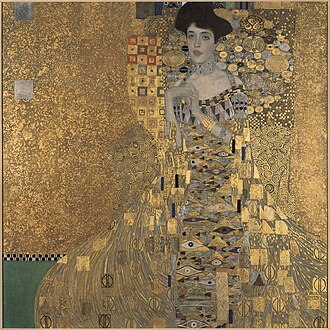 Portrait of Adele Bloch-Bauer I - Gustav Klimt (1907)
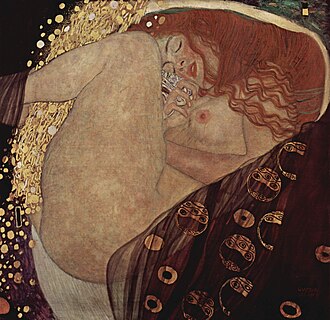 Danaë - Gustav Klimt (1907)
.jpg) Judith I - Gustav Klimt (1901)
Judith I - Gustav Klimt (1901)