Picnic on the banks of the Manzanares
Francisco Goya · 1776
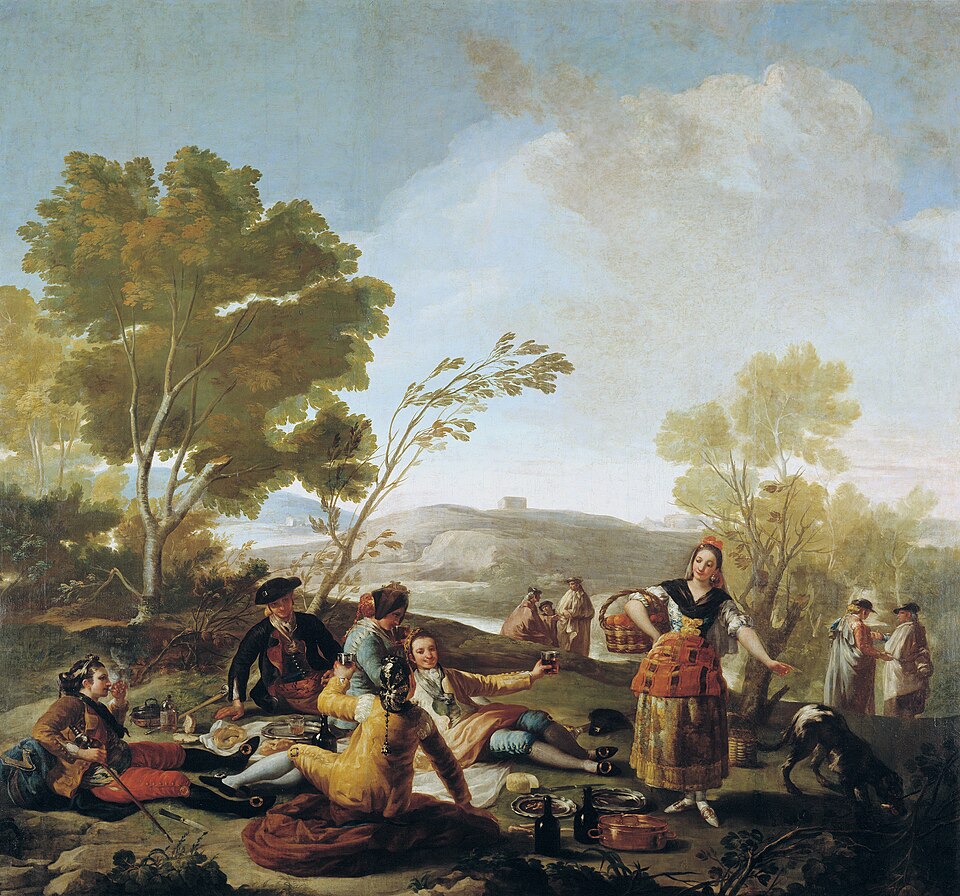
Young Madrid men share bread, wine and laughter by the river while an orange seller catches their eye. Goya painted it as a design for a royal tapestry, and then it vanished for nearly a century.
The story behind the painting
Goya painted this picture in 1776 as part of his second series of tapestry cartoons, full-size designs for tapestries meant for the dining room of the Prince of Asturias, the future Charles IV, and his wife Maria Luisa of Parma, at the El Pardo palace. It was delivered to the Royal Tapestry Factory on 30 October 1776. The scene was inspired by a short comic play of the same name by Ramón de la Cruz.
What to look for
The setting is a popular spot on the bank of the Manzanares in Madrid; in the background, half hidden by bushes, stands the hermitage of the Virgin of the Port. Goya paid close attention to real-looking people and to objects, clothes and bottles, as the historian Aureliano de Beruete y Moret noted, and to the cheerful faces of the majos, bright in colour, merry and free. At times the colour seems to recede, and Goya softens some elements to heighten his effects.
Meaning and intent
The flirtation between the orange seller and the majos stands out among the themes the princess requested. The nobility, Maria Luisa above all, liked to resemble the common people and asked for popular scenes of Madrid, and these themes run through the whole series. At the time Goya was influenced by his brother-in-law Francisco Bayeu and by Agustín Esteve. The scene still carries the marks of Goya's youth, and the second series as a whole evokes country themes in about ten cartoons.
Legacy
The canvas was thought lost until Gregorio Cruzada Villaamil found it in the basement of the Royal Palace of Madrid in 1869. By orders of January and February 1870 it was handed to the Prado, which first listed it in its catalogue in 1876, and it hangs today in room 85. The work is also known simply as La Merienda, The Picnic. Its series companions include Dance on the Banks of the Manzanares, The Parasol, The Kite and The Card Players.
Lo sapevi?
- Painted in 1776 as a tapestry cartoon for El Pardo palace.
- Inspired by a play by Ramón de la Cruz.
- Rediscovered in the Royal Palace basement in 1869.
- In the Prado since 1870.
L'artista
Francisco Goya (1746-1828)
genre art · Museo del Prado · sword · wine · bread · knife
Altre opere di Francisco Goya
 The Third of May 1808 - Francisco Goya (1814)
.jpg) La maja nuda - Francisco Goya (1800)
La maja nuda - Francisco Goya (1800).jpg) Saturn Devouring His Son - Francisco Goya (1819)
Saturn Devouring His Son - Francisco Goya (1819) La famiglia di Carlo IV - Francisco Goya (1800)
 The Clothed Maja - Francisco Goya (1800)
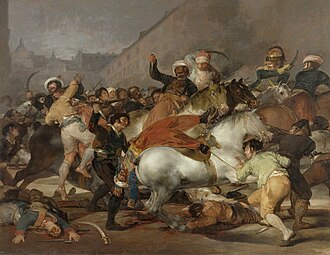 Il 2 maggio 1808 a Madrid - Francisco Goya (1814)
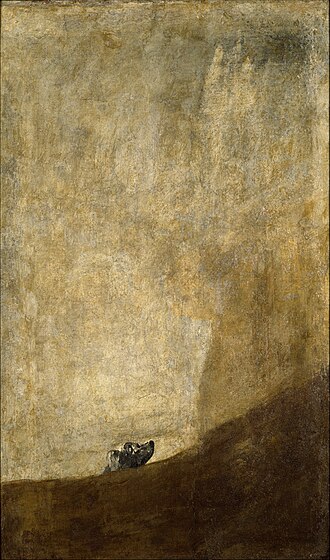 Cane semiaffondato - Francisco Goya (1819)
 Il sabba delle streghe - Francisco Goya (1820s)
Dipinti di artisti collegati
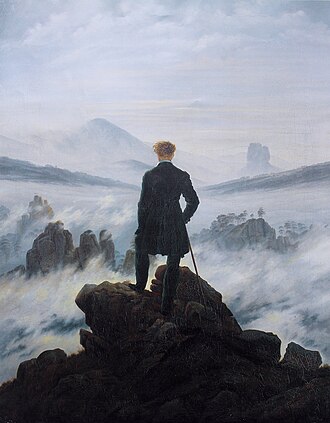 Wanderer above the Sea of Fog - Caspar David Friedrich (c. 1818)
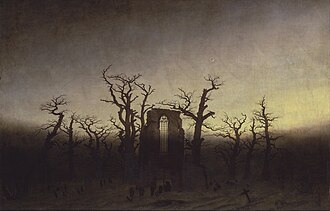 The Abbey in the Oakwood - Caspar David Friedrich (1800s)
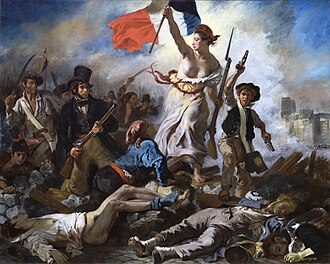 Liberty Leading the People - Eugène Delacroix (1830)
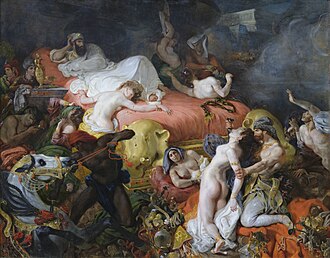 Death of Sardanapalus - Eugène Delacroix (1827)
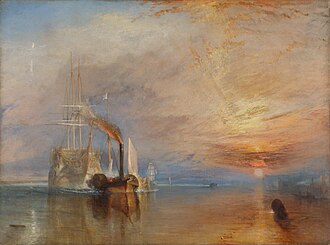 The Fighting Temeraire - J. M. W. Turner (1839)
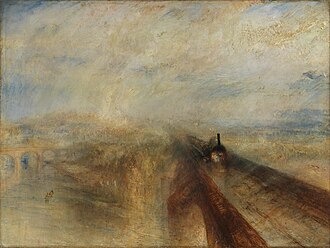 Rain, Steam and Speed - The Great Western Railway - J. M. W. Turner (1844)
.jpg) The Blue Boy - Thomas Gainsborough (1770)
The Blue Boy - Thomas Gainsborough (1770).jpg) Mr and Mrs Andrews - Thomas Gainsborough (1748)
Mr and Mrs Andrews - Thomas Gainsborough (1748)