Pedro Romero
Francisco Goya · 1795
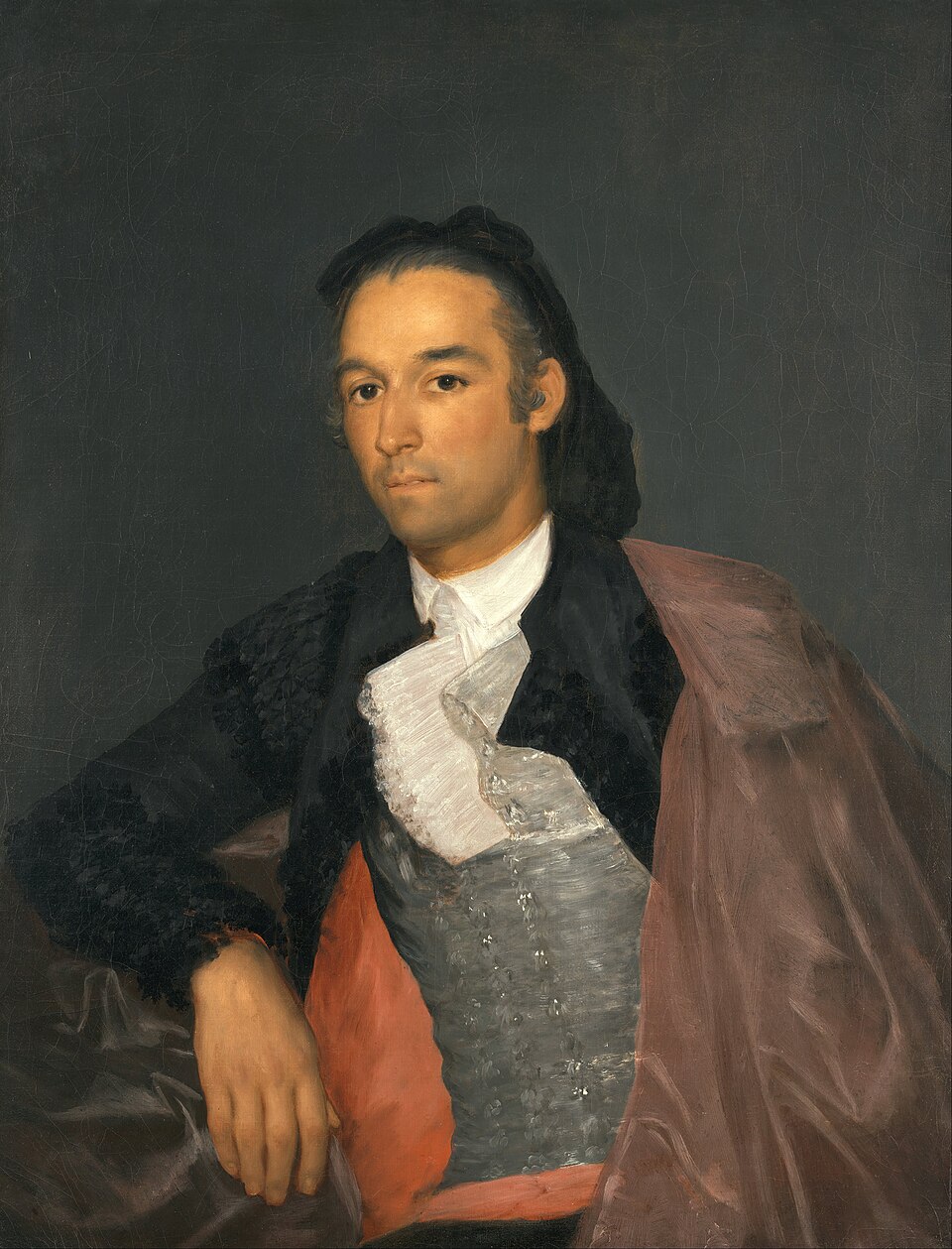
Goya loved the bullfight, and Pedro Romero of Ronda was his favourite matador. In this half-length portrait there is no blood and no bull, only a calm face that one writer said showed honesty and feeling rather than a gladiator's ferocity.
The story behind the painting
Goya painted this portrait of Pedro Romero at a time when a fierce rivalry set the bullfighter from Ronda against the Sevillian matador Costillares. Goya, then the leading portraitist of his day, preferred Romero, although for a long time he was also credited with a portrait of Costillares that is actually by Francisco Domingo. Romero was an idol both of the popular quarters and of the Dukes of Osuna, who protected him. The French Wikipedia article dates the picture between 1795 and 1798, while Wikidata gives 1795. Goya was well protected at court then, yet he kept returning to one of his favourite subjects, bullfighting.
What to look for
This is a half-length portrait, about 84 by 65 cm. Look at the posture first: it carries an extreme dignity. Then look at the costume, elegant but sober, with nothing showy about it. Everything in the picture seems to express the respect Goya felt for his favourite matador. The Sevillian writer José Somoza described how, each time he looked at it, he admired the genius that could characterise this famous and singular bullfighter in a half-length image. He found the face very lifelike, breathing honesty and sensitivity, without the soulless ferocity of a gladiator.
Meaning and intent
Goya treated bullfighting many times: in a tapestry cartoon, La novillada, and above all in his series of prints La Tauromaquia, which later served as a reference for painters of the bullfight such as Marià Fortuny and Picasso. This portrait shows the other side of that passion. Instead of the drama of the ring, Goya offers the man himself, quiet and composed. Calling himself a rascal, he knew how to escape the traps of court life and paint what he loved. Here that love takes the form of a portrait of a hero shown not as a fighter but as a dignified human being.
Legacy
The painting belonged to the Goya family in Madrid but had disappeared by the time the property of Javier Goya was inventoried. In 1812 it belonged to the widow Vera in Seville. It later passed to the journalist and collector Henri Rochefort in Paris, then through the collections of Don Sebastián Gabriel de Borbón in Pau, Léon Lafitte, Rodolphe Kahn in Paris and William Adby in London. Arthur Sachs of New York acquired it in 1966 for the Kimbell foundation, and today it hangs in the Kimbell Art Museum.
Lo sapevi?
- Pedro Romero of Ronda was Goya's favourite matador.
- Dated 1795 by Wikidata, 1795 to 1798 by French Wikipedia.
- Painted during Romero's rivalry with Costillares.
- Now in the Kimbell Art Museum.
L'artista
Francisco Goya (1746-1828)
portrait · man · Kimbell Art Museum
Altre opere di Francisco Goya
 The Third of May 1808 - Francisco Goya (1814)
 La maja nuda - Francisco Goya (1800)
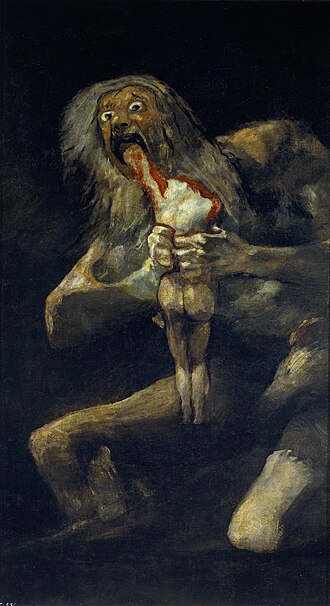 Saturn Devouring His Son - Francisco Goya (1819)
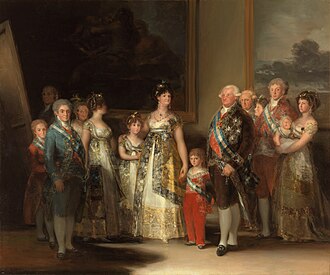 La famiglia di Carlo IV - Francisco Goya (1800)
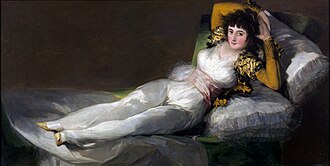 The Clothed Maja - Francisco Goya (1800)
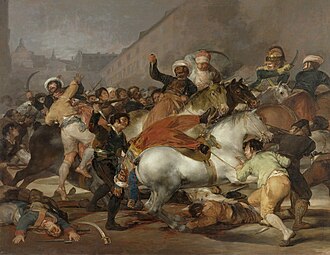 Il 2 maggio 1808 a Madrid - Francisco Goya (1814)
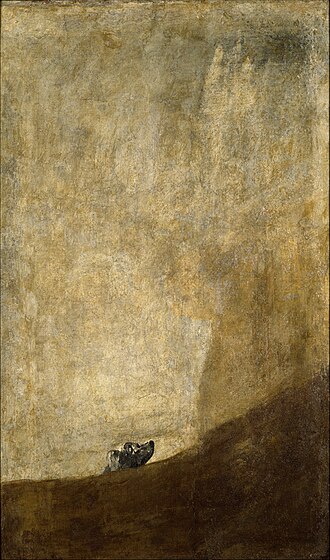 Cane semiaffondato - Francisco Goya (1819)
 Il sabba delle streghe - Francisco Goya (1820s)
Dipinti di artisti collegati
 Wanderer above the Sea of Fog - Caspar David Friedrich (c. 1818)
 The Abbey in the Oakwood - Caspar David Friedrich (1800s)
 Liberty Leading the People - Eugène Delacroix (1830)
 Death of Sardanapalus - Eugène Delacroix (1827)
 The Fighting Temeraire - J. M. W. Turner (1839)
 Rain, Steam and Speed - The Great Western Railway - J. M. W. Turner (1844)
 The Blue Boy - Thomas Gainsborough (1770)
 Mr and Mrs Andrews - Thomas Gainsborough (1748)