The Hunters in the Snow
Pieter Bruegel the Elder · 1565
%20-%20Google%20Art%20Project.jpg)
In the depths of winter, Pieter Bruegel the Elder's 'The Hunters in the Snow' captures a serene yet somber scene of hunters returning from a failed expedition, set against the backdrop of a snow-covered landscape.
The story behind the painting
Painted in 1565, 'The Hunters in the Snow' is part of a series of works depicting different times of the year. Created during the onset of the Little Ice Age, this painting reflects the harsh winters of the time. Bruegel, a pioneer of landscape and genre painting, was influenced by his travels to Italy and his exposure to humanist circles. The painting is one of five surviving works from the series, now housed in the Kunsthistorisches Museum in Vienna.
What to look for
In 'The Hunters in the Snow,' observe the weary hunters trudging through the snow, accompanied by gaunt dogs, and carrying a meager catch. The scene is set against a backdrop of bare trees, a frozen lake, and distant mountains. Note the sign above the inn, 'Dit Is Gu(l)den Hert,' symbolizing the vision of Saint Hubertus or Saint Eustace, patron saints of hunters. The painting's muted colors and calm atmosphere evoke a sense of coldness and desolation.
Meaning and intent
Bruegel's 'The Hunters in the Snow' is often interpreted as a representation of the struggles of everyday life during the harsh winter months. The failed hunt may symbolize the challenges faced by peasants during this time. The inclusion of crows and a magpie, birds associated with ill omen in Dutch culture, adds a layer of symbolism to the painting. Bruegel's work not only showcases his mastery of landscape and genre painting but also offers a glimpse into the lives of ordinary people during the Northern Renaissance.
Legacy
'The Hunters in the Snow' has had a lasting impact on the art world, inspiring artists and filmmakers alike. The painting has been referenced in various works, including Andrei Tarkovsky's film 'Solaris' and Michael Frayn's novel 'Headlong.' It remains one of Bruegel's most celebrated works, a testament to his innovative style and his ability to capture the essence of everyday life during the Renaissance.
Lo sapevi?
- The painting is part of the BBC's 100 Great Paintings.
- It is one of a series of works depicting different times of the year.
- The painting is housed in the Kunsthistorisches Museum in Vienna.
- It was created during the onset of the Little Ice Age.
Wikipedia · Wikipedia - Pieter Bruegel the Elder · Wikidata
L'artista
Pieter Bruegel the Elder (1525-1569)
genre art · landscape painting · house · Kunsthistorisches Museum · snow
Altre opere di Pieter Bruegel the Elder
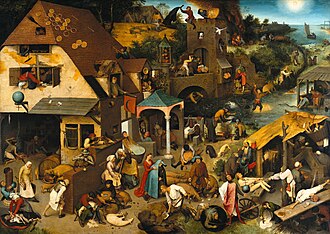 Netherlandish Proverbs - Pieter Bruegel the Elder (1551)
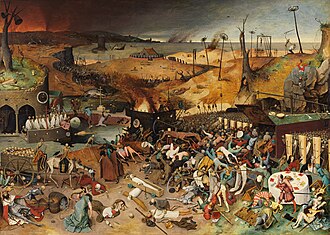 Il trionfo della morte - Pieter Bruegel the Elder (1560s)
%20-%20Blind%20leading%20the%20blind%20Google%20Art%20Project.jpeg) The Blind Leading the Blind - Pieter Bruegel the Elder (1568)
The Blind Leading the Blind - Pieter Bruegel the Elder (1568)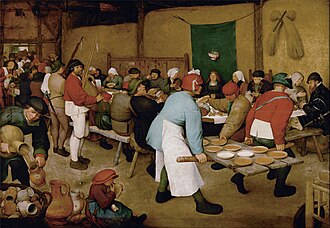 Matrimonio contadino - Pieter Bruegel the Elder (1560s)
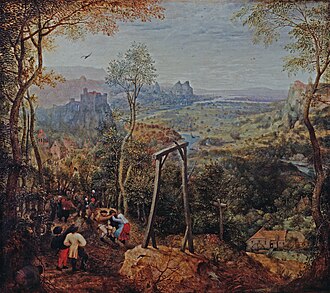 La gazza sulla forca - Pieter Bruegel the Elder (1568)
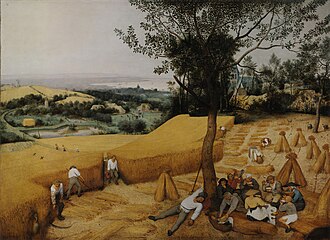 The Harvesters - Pieter Bruegel the Elder (1565)
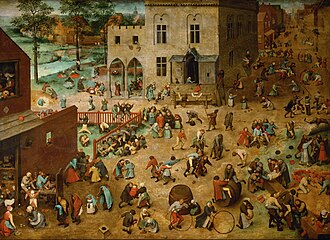 Children's Games - Pieter Bruegel the Elder (1560)
%20-%20Christ%20and%20the%20woman%20taken%20in%20adultery.jpg) Christ and the Woman Taken in Adultery - Pieter Bruegel the Elder (1565)
Christ and the Woman Taken in Adultery - Pieter Bruegel the Elder (1565)
Dipinti di artisti collegati
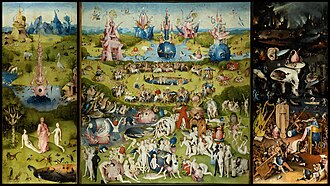 The Garden of Earthly Delights - Hieronymus Bosch
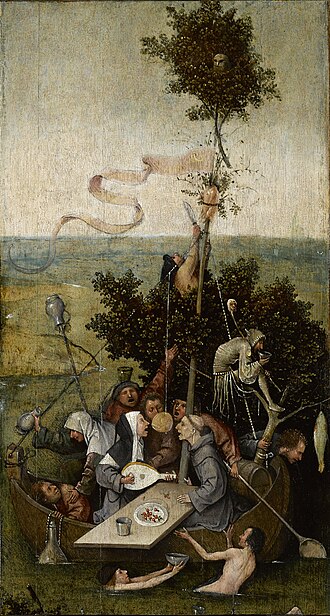 Ship of Fools - Hieronymus Bosch (1500s)