Thomas Carlyle
John Everett Millais · 1877
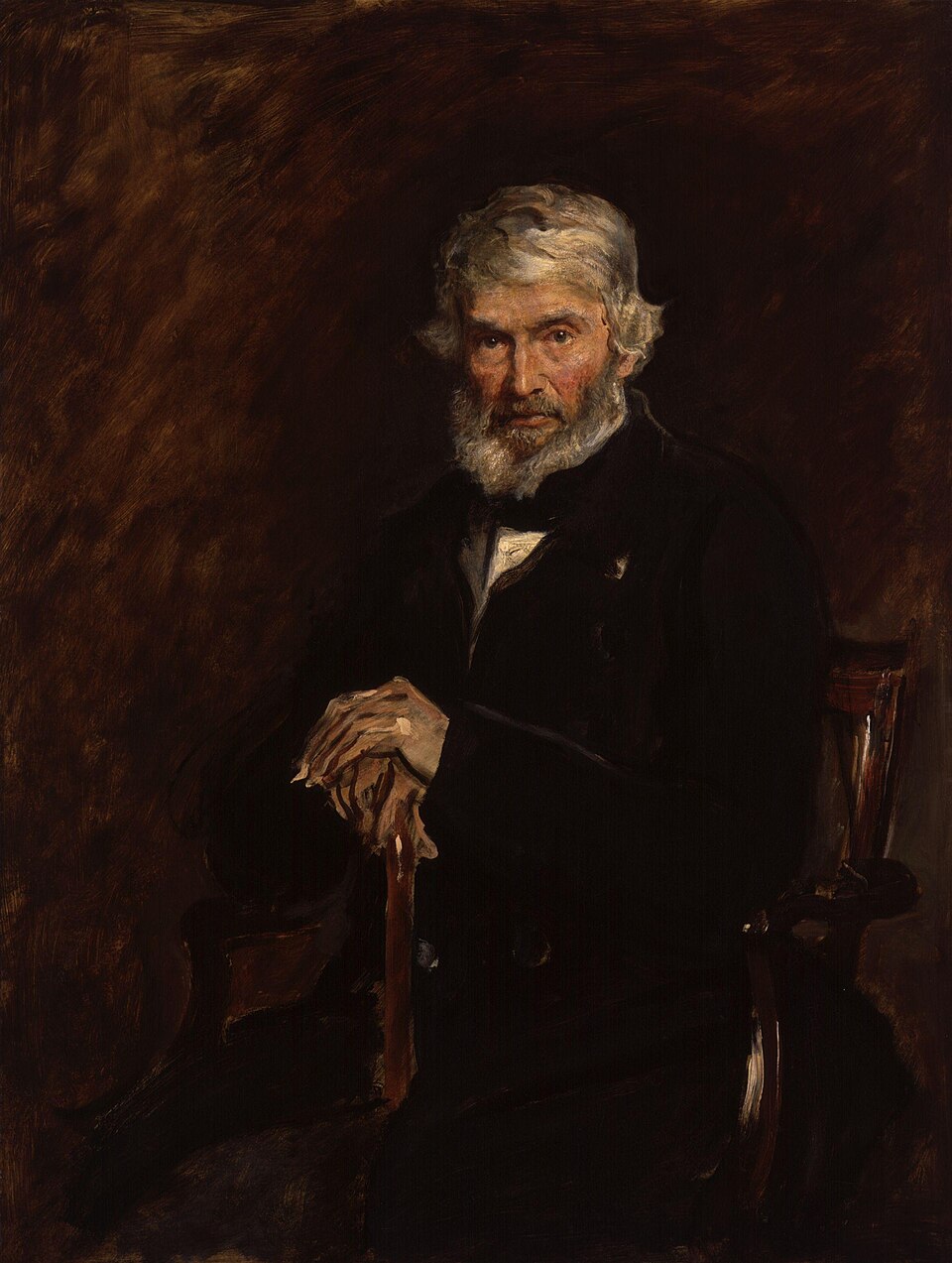
An old philosopher looks out from a canvas Millais never finished. Some said a single remark from a visitor made him put down his palette for good, and decades later a suffragette slashed the picture in protest.
The story behind the painting
In April 1877 Carlyle's friend William Allingham noted that Millais was to paint him, and the first sittings took place on 26 and 28 May. Carlyle wrote to his brother that Millais seemed in an almost frenzied state about finishing his difficult task with the utmost perfection. James Anthony Froude, who commissioned the portrait, saw something like a miracle at the second sitting: the fierce face of middle age gave way to tenderness and mild sorrow, and the old Carlyle stood on the canvas as Froude had not seen him for thirty years.
What to look for
The canvas is about 117 by 88 cm, and it remains unfinished. Look at the face, the part Millais worked on most. Carlyle himself said the picture did not altogether please him, but that it was surely strikingly like in every feature, and that Millais had to paint what he was able to see. G. K. Chesterton later found it simply showed a shaggy, handsome, magnificent old man, and he preferred an earlier portrait by Watts.
Meaning and intent
Why Millais stopped is told in several versions. One story says a lady who came to the studio said he had painted Carlyle not as a sage but as a rough peasant, and Millais laid down his palette and never touched it again. Another names a friend of Carlyle, a Mrs Anstruther, who called it merely the mask, with no soul behind. John Ruskin remarked that Millais might show the pathos of a moment, not of a lifetime.
Legacy
Millais kept the portrait until 1885, and it reached the National Portrait Gallery in 1894. On 17 July 1914 the American suffragette Anne Hunt struck it at least three times, protesting the arrest of Emmeline Pankhurst, herself an admirer of Carlyle. At her trial Hunt claimed the picture would gain historical importance from her attack. In 2018 the portrait was shown with a photograph of the damage in the gallery's Votes for Women display.
Le saviez-vous ?
- Painted from May 1877, commissioned by James Anthony Froude.
- Left unfinished by Millais.
- Acquired by the National Portrait Gallery in 1894.
- Slashed by suffragette Anne Hunt on 17 July 1914.
À propos de l'artiste
John Everett Millais (1829-1896)
portrait · National Portrait Gallery
Autres œuvres de John Everett Millais
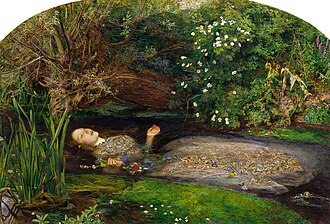 Ophélie - John Everett Millais (1851)
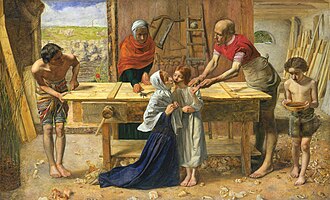 Le Christ dans la maison de ses parents - John Everett Millais (1849)
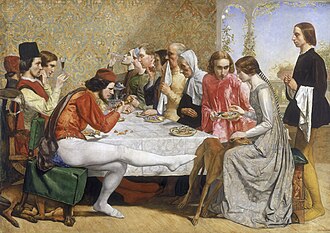 Isabella - John Everett Millais (1849)
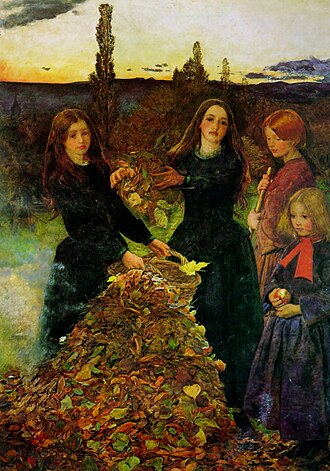 Feuilles d'automne - John Everett Millais (1856)
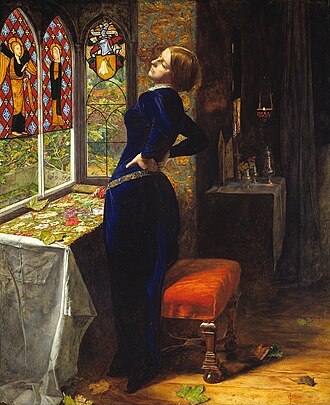 Mariana - John Everett Millais (1851)
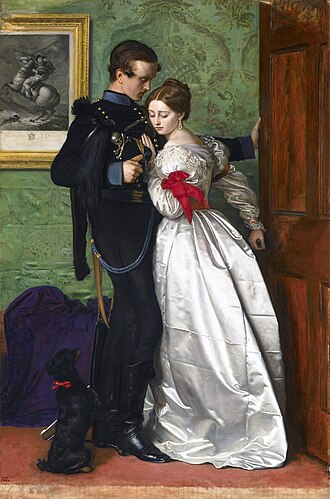 Le Hussard noir de Brunswick - John Everett Millais (1860)
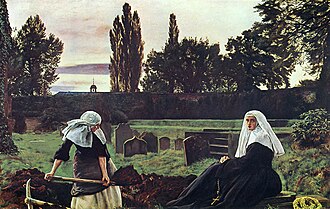 La Vallée du repos - John Everett Millais (1850s)
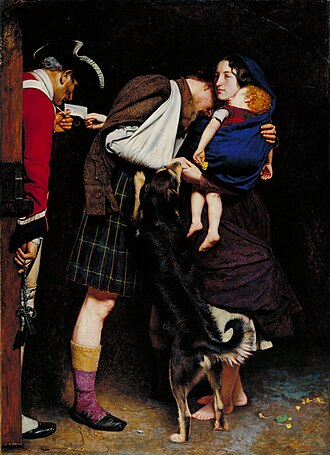 L'Ordre d'élargissement - John Everett Millais (1850s)
Œuvres d'artistes liés
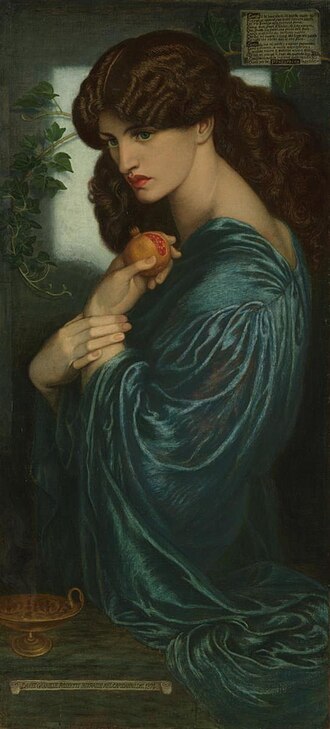 Perséphone - Dante Gabriel Rossetti (1874)
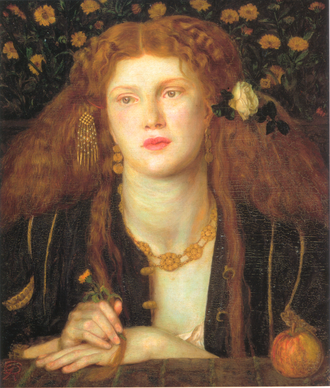 Bocca Baciata - Dante Gabriel Rossetti (1859)
 Hylas et les nymphes - John William Waterhouse (1896)
 The Lady of Shalott - John William Waterhouse (1888)