La Comtesse del Carpio, marquise de La Solana
Francisco Goya · 1790s
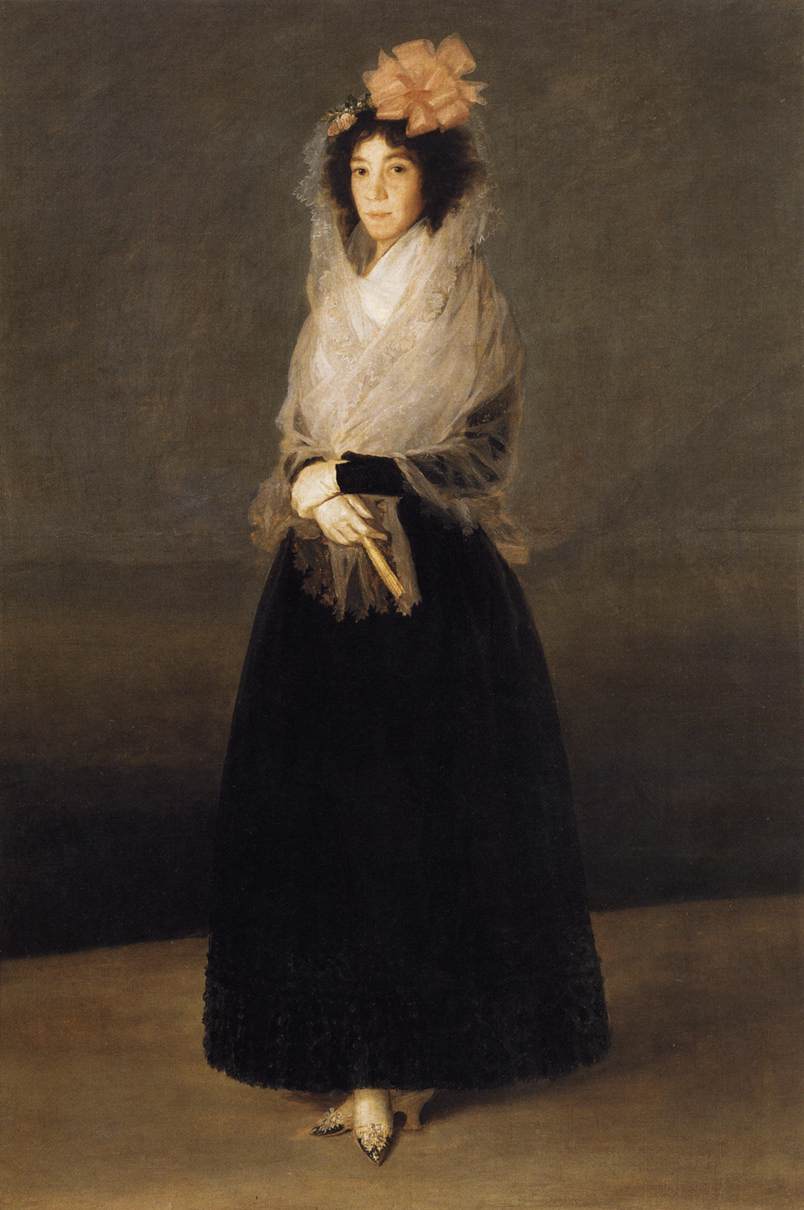
A pale woman in black stands alone against an empty ground a fan in her hand. Goya painted his friend the Marquise de la Solana in 1795, the year she died.
The story behind the painting
Rita de Barrenechea, Marquise de la Solana and Countess del Carpio, was a writer and playwright of the Spanish Enlightenment. She shared many liberal ideas with Goya, who was her personal friend. By the 1790s Goya was a fashionable painter, much in demand among the aristocracy and upper middle class of Madrid. According to the Louvre, she sat for this portrait at 38, believing she was nearing death because of her illness. She died in 1795, shortly after it was finished. Wikipedia dates it 1795, while Wikidata gives only the 1790s.
What to look for
This is a full length portrait in oil on canvas, 181 by 122 cm. She wears a black dress with a shawl and gauze. Her pale face shows the illness she suffered from, yet her bearing remains proud and dignified. Both her hands and her feet appear crossed, and she holds a fan in her right hand. The background is neutral and evanescent, in the tradition of Velazquez, with no other visual cues, so the eye goes straight to her gaze.
Meaning and intent
The black dress has been read as an anticipation of her coming death. She does not seem afraid, rather prepared to face her end. With nothing in the background to distract, Goya creates a silent dialogue between the marquise and the viewer, and renders a character that appears proud and benevolent. The portrait presents her elegance and beauty at the same time as her fragility. It is the picture of a friend, painted with respect rather than flattery.
Legacy
Alongside the Velazquez tradition, the painting shows the influence of the great English portraitists such as Thomas Gainsborough and Joshua Reynolds, whose work Goya knew through engraved reproductions. In 1953 the collector Carlos de Beistegui gave the portrait to the Louvre in Paris, where it hangs today. A friend's last portrait, made in the year of her death, it keeps her gaze, proud and calm, in front of every visitor.
Le saviez-vous ?
- Painted in 1795, the year the sitter died.
- The sitter was a writer and a friend of Goya.
- Influenced by Velazquez and English portraitists.
- Given to the Louvre by Carlos de Beistegui in 1953.
À propos de l'artiste
Francisco Goya (1746-1828)
femme · portrait · département des peintures du musée du Louvre · éventail
Autres œuvres de Francisco Goya
 Tres de Mayo - Francisco Goya (1814)
.jpg) La Maja nue - Francisco Goya (1800)
La Maja nue - Francisco Goya (1800).jpg) Saturne dévorant un de ses enfants - Francisco Goya (1819)
Saturne dévorant un de ses enfants - Francisco Goya (1819) La Famille de Charles IV - Francisco Goya (1800)
 La Maja vêtue - Francisco Goya (1800)
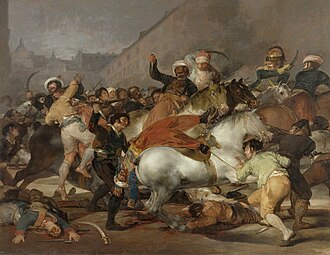 Dos de Mayo - Francisco Goya (1814)
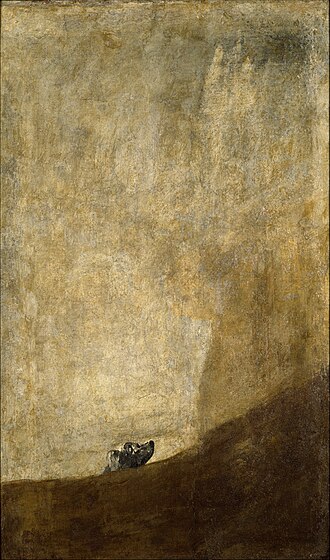 Le Chien - Francisco Goya (1819)
 Le Sabbat des sorcières - Francisco Goya (1820s)
Œuvres d'artistes liés
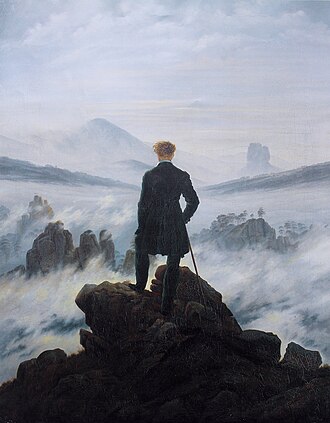 Le Voyageur contemplant une mer de nuages - Caspar David Friedrich (c. 1818)
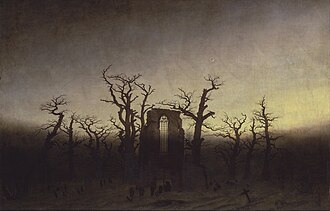 L'Abbaye dans une forêt de chênes - Caspar David Friedrich (1800s)
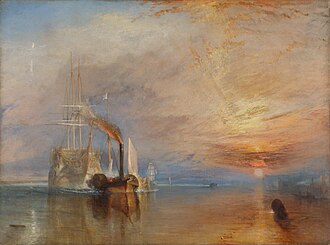 Le Dernier Voyage du Téméraire - J. M. W. Turner (1839)
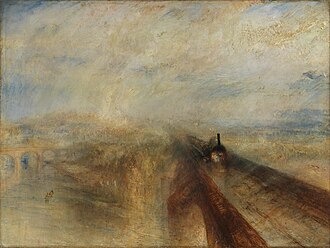 Pluie, Vapeur et Vitesse - J. M. W. Turner (1844)
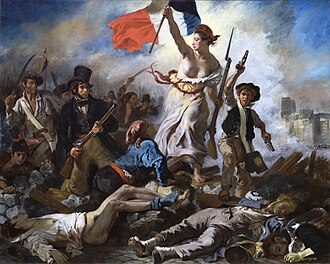 La Liberté guidant le peuple - Eugène Delacroix (1830)
 La Mort de Sardanapale - Eugène Delacroix (1827)