Autoportrait
Rembrandt van Rijn · 1629
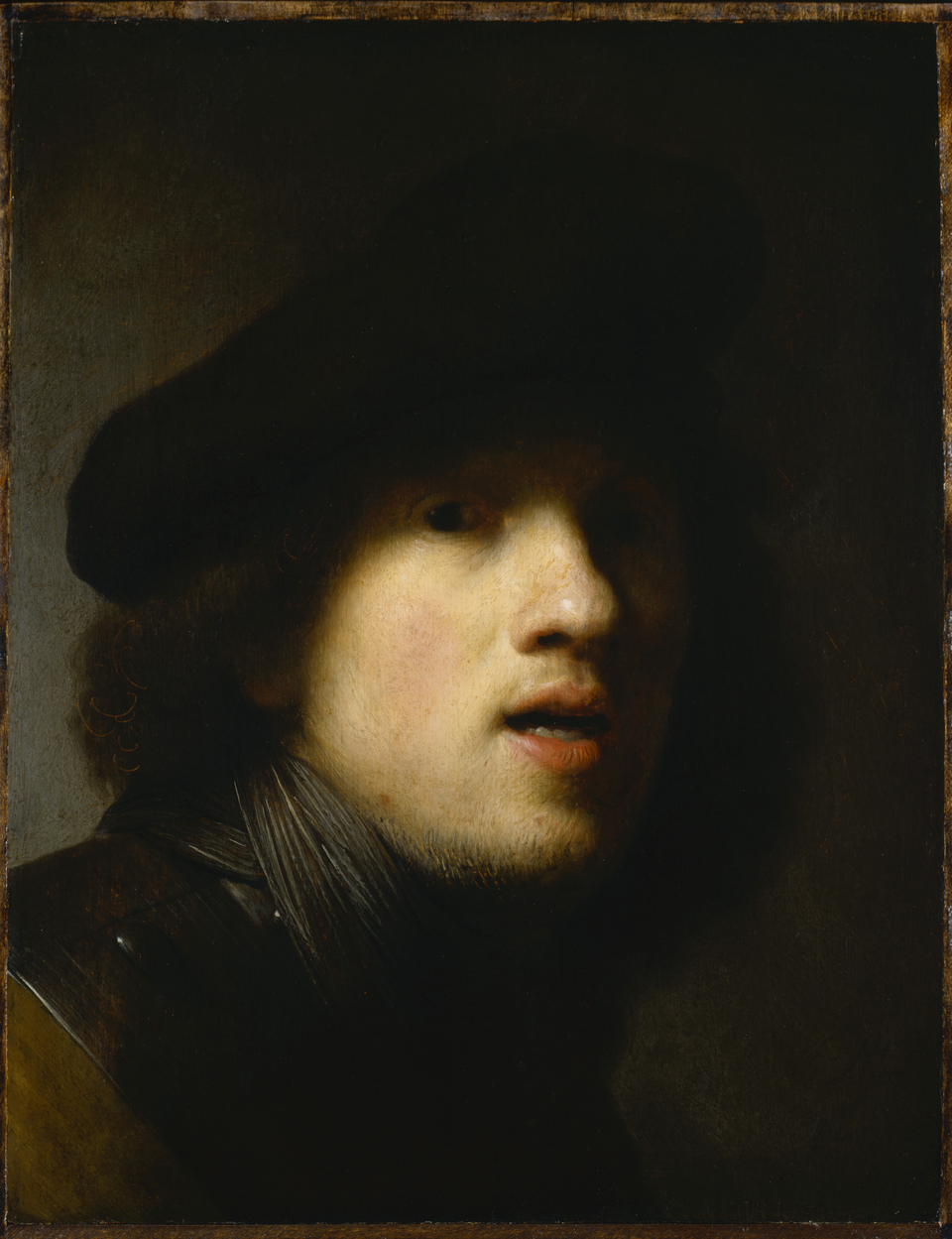
At twenty-three, still unknown in Leiden, Rembrandt dressed up in a steel gorget and a low cap and caught himself in a moment of surprise. It may be the very first of his more than forty self-portraits.
The story behind the painting
This small self-portrait of 1629 belongs to the Clowes Fund Collection of the Indianapolis Museum of Art. At the time Rembrandt was a young, uncelebrated painter in his hometown of Leiden, master of his own tiny workshop. It is among the earliest of his more than forty self-portraits, produced over four decades, and possibly the first. Self-portraits saved the cost of a professional model, which mattered to a struggling young artist. His pupil Samuel van Hoogstraten later recommended self-portraiture as practice in capturing emotion, since the painter could be both performer and beholder.
What to look for
This is a portrait of studied spontaneity: parted lips, tilted head and a leaning posture suggest sudden surprise. Rembrandt wears a costume from his studio attire, a scarf, a cap pulled low to throw a dramatic shadow over his brow, and a steel gorget with a shiny, oversized rivet. He never served in the militia, so the gorget is pure affectation. The colours are nearly monochrome and the brushwork incisive; he scratched into the wet paint to draw single strands of hair. Look also for small blemishes on his chin, which his students usually smoothed away in their copies.
Meaning and intent
Rembrandt often used self-portraits as teaching aids, and his students made copies and variants that sold well. At least five copies of this picture exist, which led to long debate. Abraham Bredius, who found it in a castle near Lviv in 1897, called it authentic, but Horst Gerson's 1969 catalogue rejected it. X-radiography in 1979 settled the matter: it revealed many changes to the angle of the shoulders, head and hat, signs of an original composition rather than a copy. The monogram RHL, used in Leiden, was added while the paint was wet and appears on none of the copies.
Legacy
Studies like this one prepared Rembrandt for the later works in which he portrayed feelings so convincingly. His followers imitated his self-portraits so often that they formed a whole subgenre eagerly collected. Dr. G.H.A. Clowes bought this painting in 1951, ending its circulation among the noble families of Poland, and the Clowes family gave it to the museum in 1959. It carries the accession number C10063 and is shown in the Clowes Pavilion, an early glimpse of the painter who would spend a lifetime studying his own face.
Le saviez-vous ?
- Painted in 1629, when Rembrandt was twenty-three.
- Possibly his first painted self-portrait.
- X-rays in 1979 confirmed it is an original, not a copy.
- In the Indianapolis Museum of Art since 1959.
À propos de l'artiste
Rembrandt van Rijn (1606-1669)
homme · âge d'or de la peinture néerlandaise · autoportrait · Rembrandt · Musée d'Art d'Indianapolis
Autres œuvres de Rembrandt van Rijn
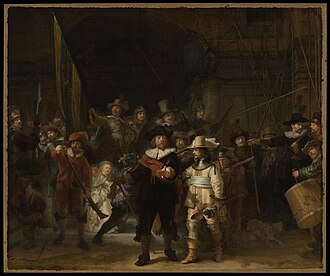 La Ronde de nuit - Rembrandt van Rijn (1642)
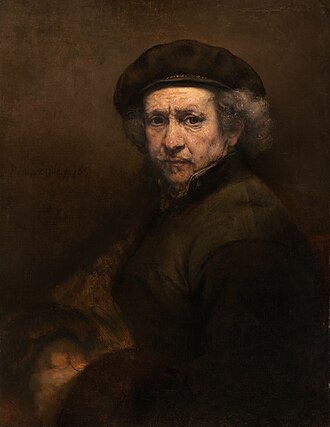 Autoportrait - Rembrandt van Rijn (1659)
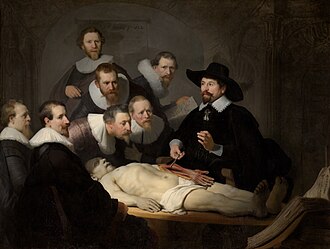 La Leçon d'anatomie du docteur Tulp - Rembrandt van Rijn (1632)
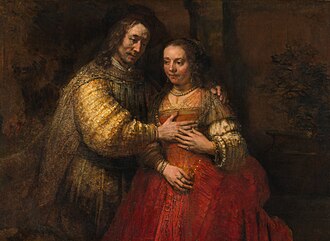 La Fiancée juive - Rembrandt van Rijn (1660s)
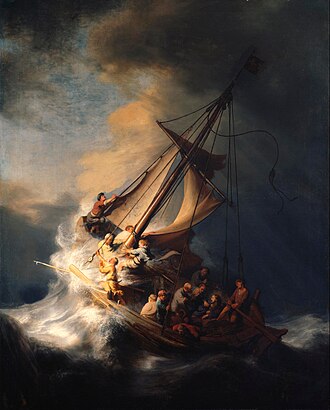 La Tempête sur la mer de Galilée - Rembrandt van Rijn (1633)
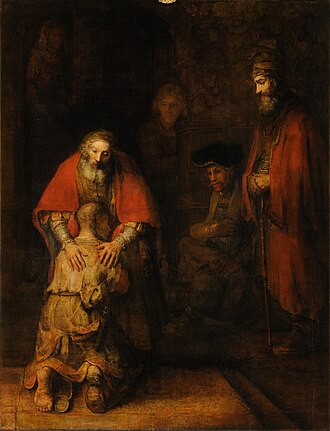 Le Retour du fils prodigue - Rembrandt van Rijn (1668)
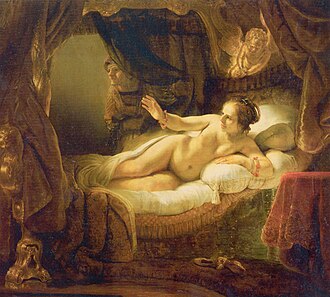 Danaé - Rembrandt van Rijn (1636)
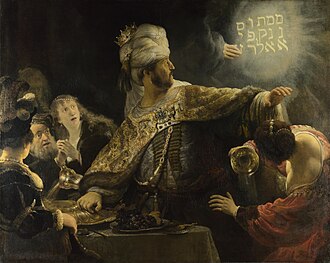 Le Festin de Balthazar - Rembrandt van Rijn (1636)
Œuvres d'artistes liés
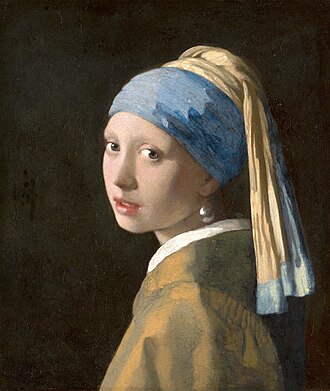 La Jeune Fille à la perle - Johannes Vermeer (1665)
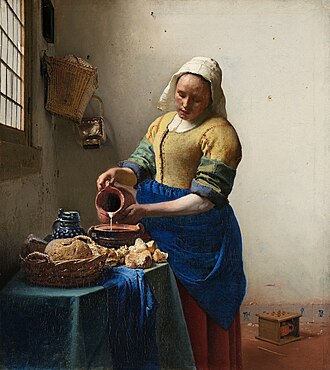 La Laitière - Johannes Vermeer (c. 1658)