Le Couple heureux
Rembrandt van Rijn · 1635
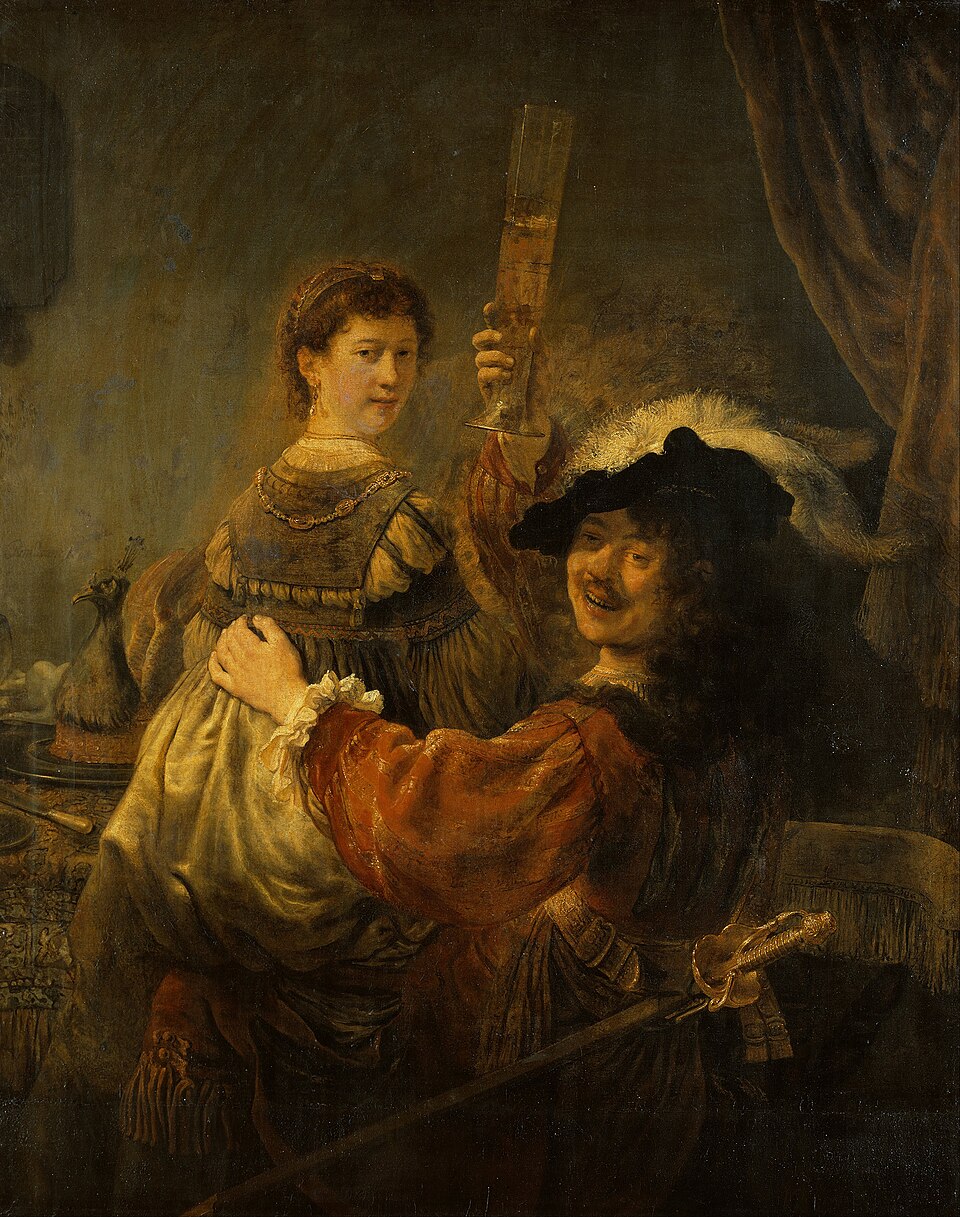
A man turns toward us, laughing, with a woman on his knee. Many have seen in them Rembrandt and his wife Saskia, playing the Prodigal Son in the middle of his wasted fortune.
The story behind the painting
Rembrandt painted this large canvas, 161 by 131 centimetres, in 1635. It is known by several names: The Prodigal Son in the Brothel, The Prodigal Son in the Tavern, and Rembrandt and Saskia in the Parable of the Prodigal Son. The last title records a long-held identification of the couple as Rembrandt himself and his wife, Saskia van Uylenburgh. The subject was a popular one. In the Protestant world of his day, the parable of the prodigal son was a frequent theme in art because of its moral lesson. Rembrandt signed the work "REMBRANDT F." At some point the left side of the canvas was cut, perhaps by the artist himself, to remove secondary figures.
What to look for
Because the left side was trimmed, the composition centres on just two people, the man and the woman. That is where the cut directs your attention, and the sources suggest that was its purpose. Notice the signature, "REMBRANDT F.", the F standing for fecit, "made it". Then look at the colour. Pigment analysis has identified the usual Baroque palette: warm red ochre, bright lead-tin yellow, deep madder lake, and smalt, a blue made from glass. Rembrandt laid these down in an elaborate technique of many layers, so the surfaces you see were built up step by step rather than painted in one pass.
Meaning and intent
The parable tells of a son who squanders his inheritance in reckless living before returning home in repentance. Here we meet him at the height of his folly, in the tavern or brothel. If the couple really are Rembrandt and Saskia, the painter has cast himself as the sinner in a moral tale. That is a bold, even playful choice for a successful young artist, and it lets the picture work as both portrait and sermon. The genre label historiated portrait captures this double life: real people dressed in a story. Rembrandt returned to the same parable at the end of his life with the Return of the Prodigal Son of 1669, turning from the son's revels to his homecoming.
Legacy
Today the painting hangs in the Gemäldegalerie Alte Meister in Dresden, part of the Staatliche Kunstsammlungen Dresden. Its many titles show how viewers have read it differently, as a biblical scene, a tavern picture or a double portrait. The French title even calls it Le Couple heureux, The Happy Couple. Scientific study of its pigments and layers has added a new chapter to its story, showing how carefully Rembrandt built his effects. Set beside his late Return of the Prodigal Son, it offers a rare chance to follow one parable across more than three decades of a great painter's life.
Le saviez-vous ?
- Oil on canvas, 1635, 161 × 131 cm (Wikidata).
- Signed "REMBRANDT F." (Wikipedia).
- Pigments include red ochre, lead-tin yellow, madder lake and smalt (Wikipedia).
- Gemäldegalerie Alte Meister, Dresden.
À propos de l'artiste
Rembrandt van Rijn (1606-1669)
femme · art religieux · homme · âge d'or de la peinture néerlandaise · portrait historié · Collections d'Art d'État de Dresde · couple · Rembrandt · Saskia van Uylenburgh
Autres œuvres de Rembrandt van Rijn
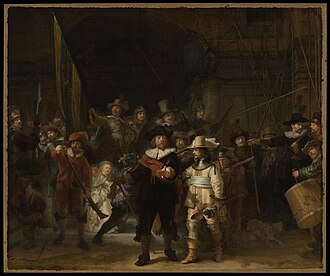 La Ronde de nuit - Rembrandt van Rijn (1642)
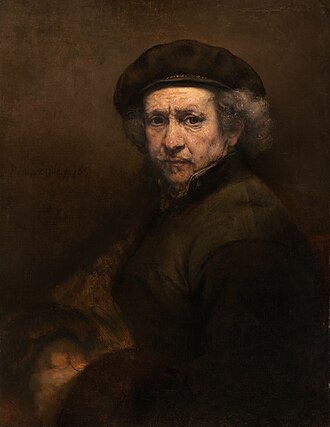 Autoportrait - Rembrandt van Rijn (1659)
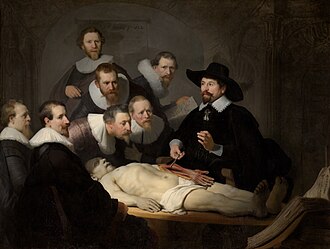 La Leçon d'anatomie du docteur Tulp - Rembrandt van Rijn (1632)
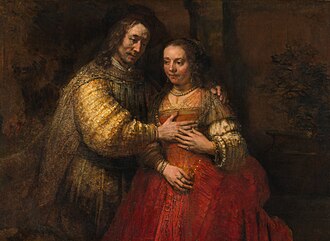 La Fiancée juive - Rembrandt van Rijn (1660s)
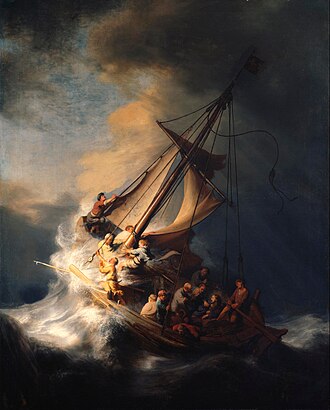 La Tempête sur la mer de Galilée - Rembrandt van Rijn (1633)
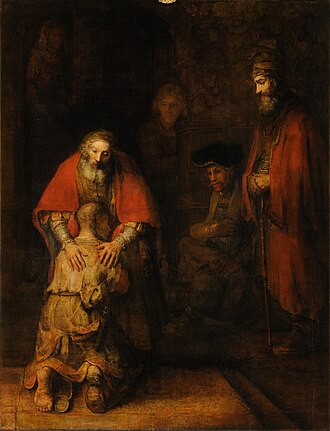 Le Retour du fils prodigue - Rembrandt van Rijn (1668)
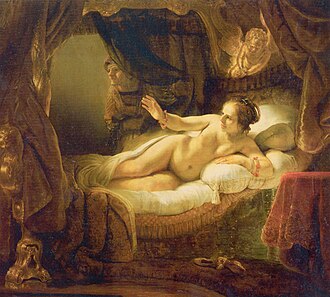 Danaé - Rembrandt van Rijn (1636)
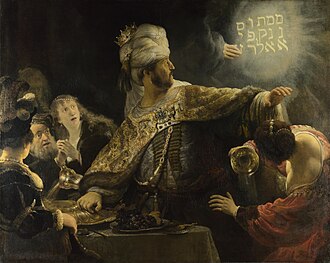 Le Festin de Balthazar - Rembrandt van Rijn (1636)
Œuvres d'artistes liés
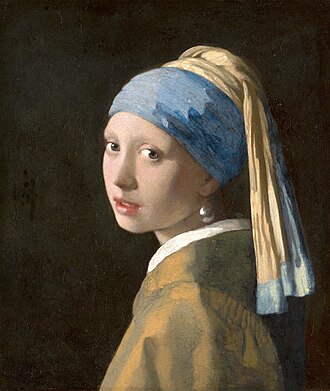 La Jeune Fille à la perle - Johannes Vermeer (1665)
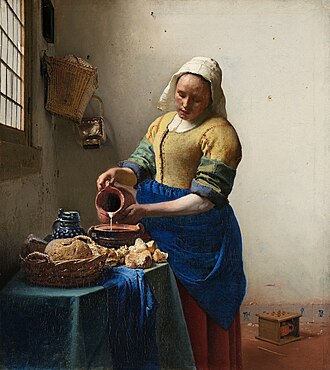 La Laitière - Johannes Vermeer (c. 1658)
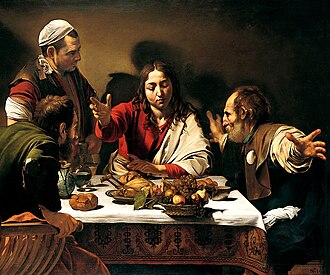 Le Souper à Emmaüs - Caravaggio (1601)
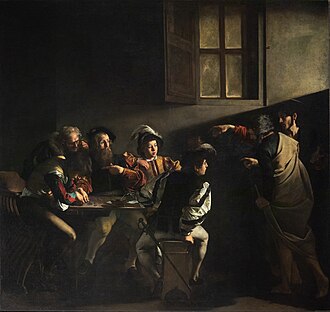 La Vocation de saint Matthieu - Caravaggio (1609)
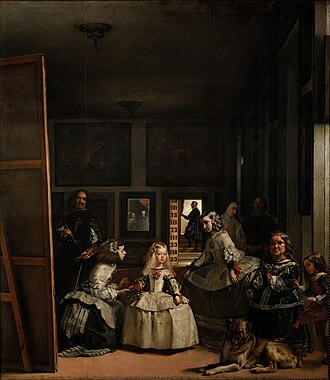 Les Ménines - Diego Velázquez (1656)
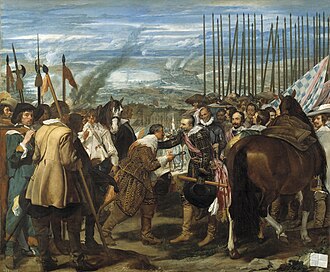 La Reddition de Bréda - Diego Velázquez (1635)