Portrait de la mère de l'artiste
Vincent van Gogh · 1888
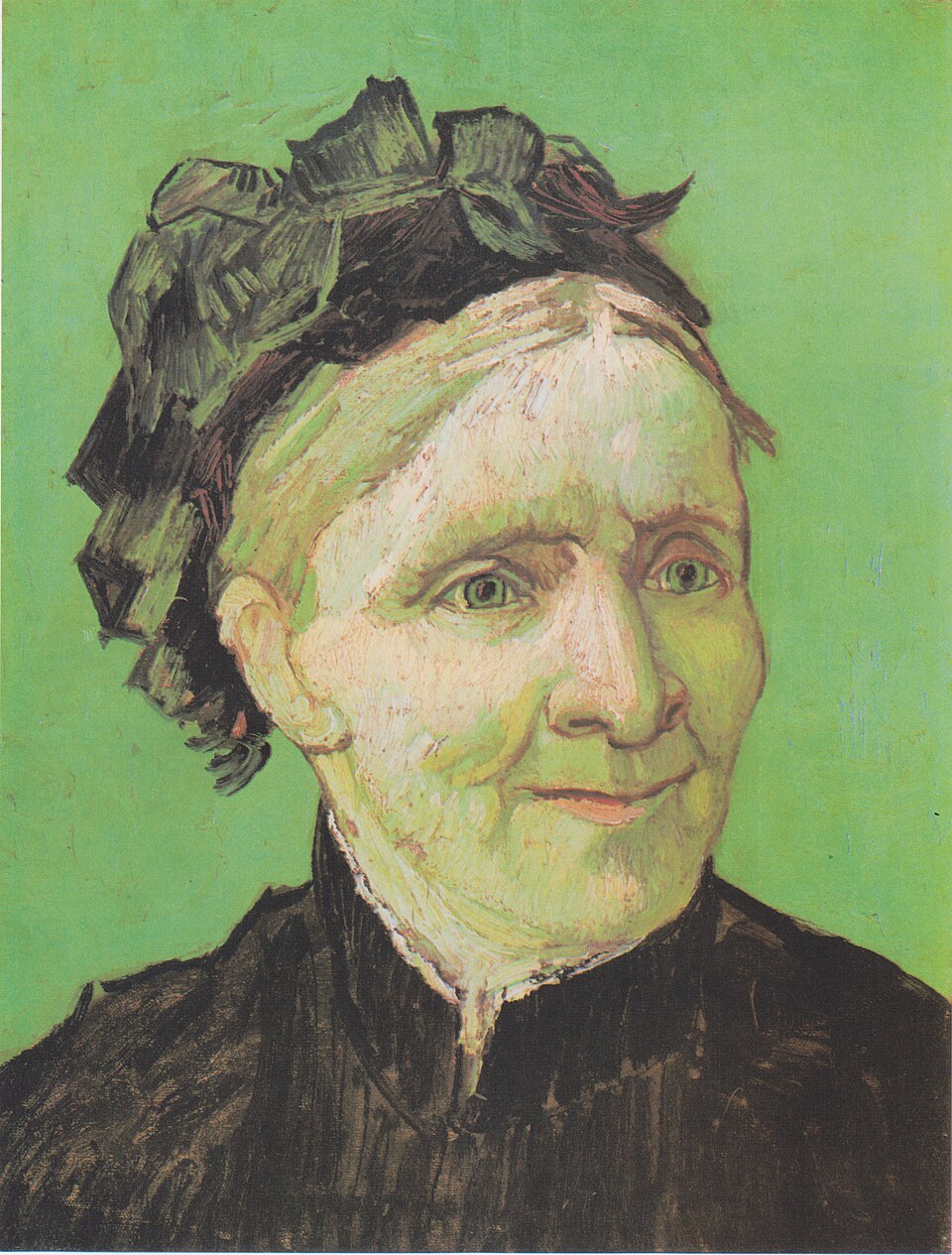
Van Gogh could not bear the colourless photograph of his mother, so he painted her as he remembered her. This small canvas is a son's act of memory, made in colour across a distance of miles and years.
The story behind the painting
In 1888 Vincent van Gogh set out to paint a series of portraits of his family. For his mother, Anna Carbentus van Gogh, he had only a black-and-white photograph to work from. He wrote to his brother Theo that he was painting a portrait of Mother for himself, because he could not stand the colourless photograph and wanted to make one in a harmony of colour, as he saw her in his memory. The gesture carried a long history. Anna was an amateur artist and keen watercolourist who drew plants and flowers, and among Vincent's earliest drawings are copies of her sketches. Yet relations with his family had long been strained, and models were hard for him to afford, which may also have encouraged this portrait from a photograph.
What to look for
The canvas is small, about 41 by 32 centimetres, and the sources describe a simple arrangement: Anna appears as a respectable middle-class woman, attentive and proud, set against a green background. Rather than copying the grey tones of the photograph, Van Gogh rebuilt her image in colour, which was the whole point of the exercise. It was painted at almost the same time as his Self-Portrait dedicated to Paul Gauguin, and the two share a very similar palette and pose, so mother and son can be imagined side by side as companion images. Spend a moment on her face and bearing: the dignity and pride the painting is known for come through in the way she holds herself before that steady field of green.
Meaning and intent
Van Gogh called portrait studies the only thing in painting that excited him to the depths of his soul. He hoped to paint portraits that would appear to people a century later as apparitions, achieved not through photographic resemblance but through colour used to express and intensify character. This portrait of his mother is a clear statement of that ambition: a photograph supplied the likeness, but memory and colour supplied the person. It also speaks of reconciliation. After years of tension, Vincent enjoyed sending family members works he thought they would love, such as bouquets of flowers and irises for his mother. Painting her for himself was a private way of keeping close a parent from whom he had often felt apart.
Legacy
The painting dates from 1888, the year Van Gogh worked intensely in the south of France and the year before his hospitalisation in Arles. It belongs to his wider effort to paint his family, which also included Memory of the Garden at Etten, where he imagined the older woman as his mother and the younger as his sister Wil. Today the portrait is in the Norton Simon Museum in Pasadena, California. It matters because it shows a side of Van Gogh often overshadowed by his landscapes: the portraitist who believed colour could carry feeling more truthfully than a photograph, and the son who, despite all their differences, wanted his mother's face near him.
Le saviez-vous ?
- Van Gogh painted this portrait from a black-and-white photograph.
- His mother Anna was an amateur watercolourist who loved drawing flowers.
- It shares its palette and pose with his Self-Portrait dedicated to Paul Gauguin.
- The painting is in the Norton Simon Museum in Pasadena.
À propos de l'artiste
Vincent van Gogh (1853-1890)
Autres œuvres de Vincent van Gogh
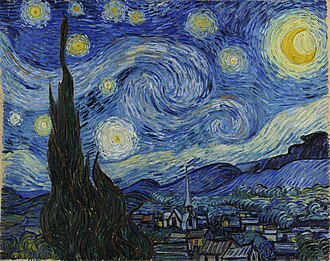 La Nuit étoilée - Vincent van Gogh (1889)
.jpg) Terrasse du café le soir - Vincent van Gogh (1888)
Terrasse du café le soir - Vincent van Gogh (1888)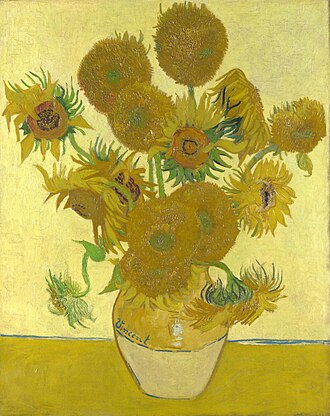 Les Tournesols - Vincent van Gogh (1888)
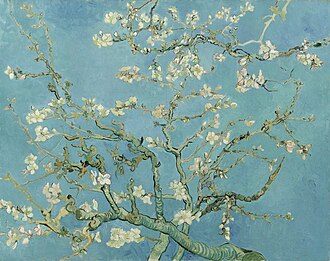 Amandier en fleurs - Vincent van Gogh (1890)
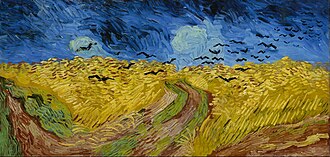 Champ de blé aux corbeaux - Vincent van Gogh (1890)
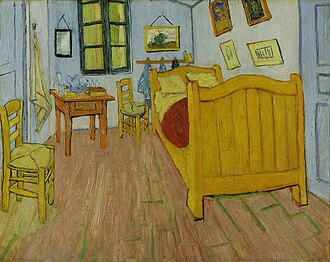 La Chambre à coucher - Vincent van Gogh (1888)
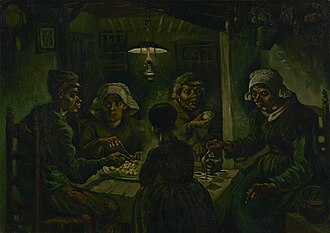 Les Mangeurs de pommes de terre - Vincent van Gogh (1885)
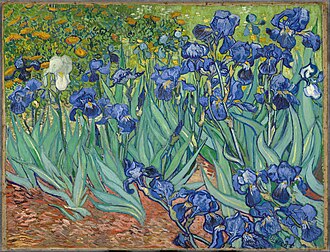 Iris - Vincent van Gogh (1889)
Œuvres d'artistes liés
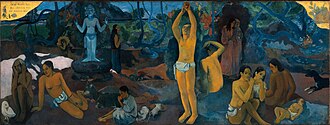 D'où venons-nous ? Que sommes-nous ? Où allons-nous ? - Paul Gauguin (1897-1898)
%201889.jpg) Le Christ jaune - Paul Gauguin (1889)
Le Christ jaune - Paul Gauguin (1889)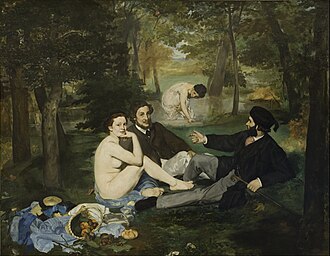 Le Déjeuner sur l'herbe - Édouard Manet (1863)
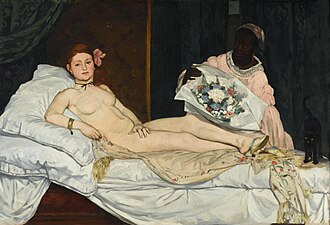 Olympia - Édouard Manet (1863)