L'Infant Antonio Pascual
Francisco Goya · 1800
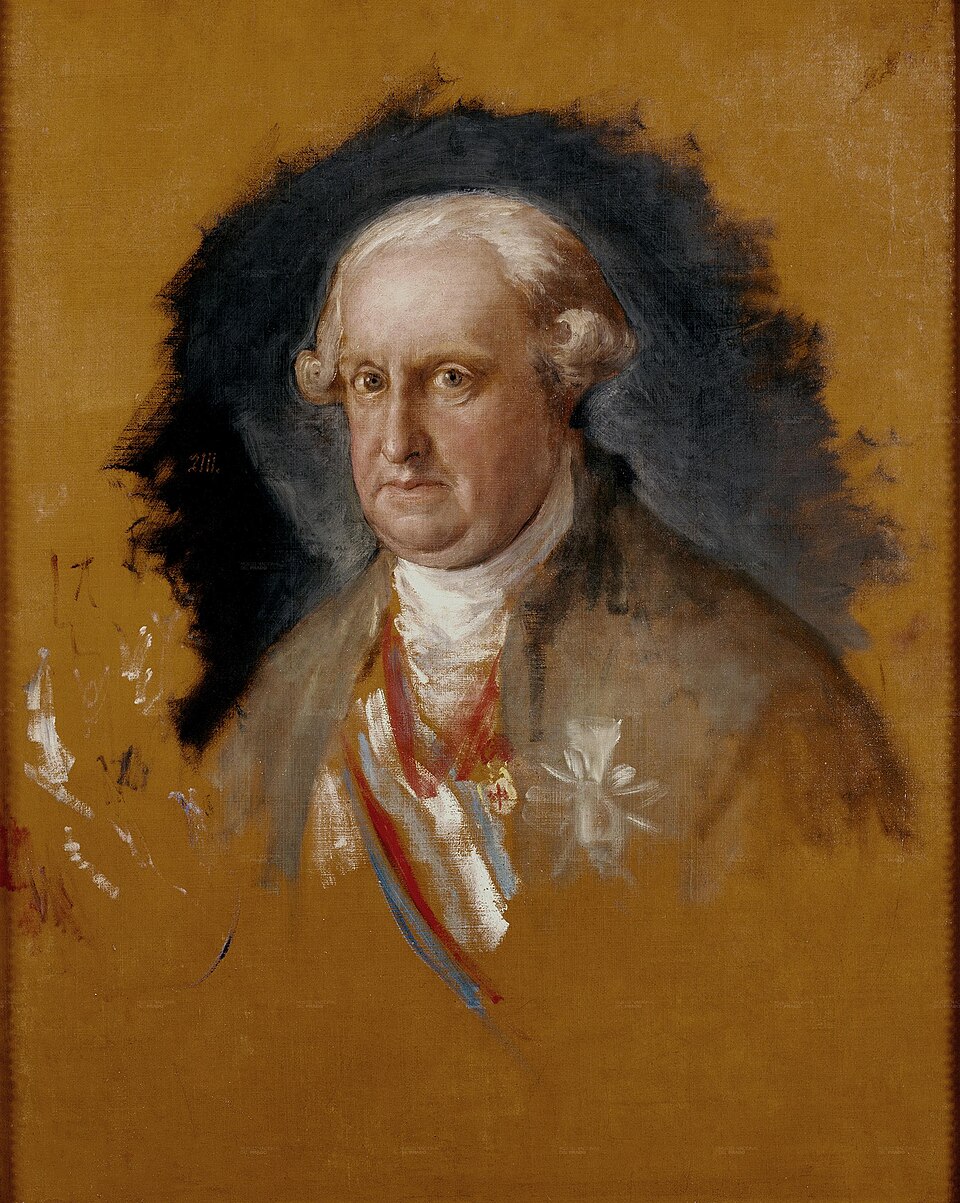
A quick, direct likeness on a red ground, made so a prince would not have to pose for hours. Goya painted Infante Antonio Pascual in the summer of 1800 as a study for his great Family of Charles IV.
The story behind the painting
This oil sketch is one of ten studies from life that Goya painted at the Royal Palace of Aranjuez in the summer of 1800, in preparation for The Family of Charles IV. At the wish of Queen Maria Luisa of Parma, the painter portrayed each member of the royal family separately, so that they would not all have to pose together for long hours. Each sitter could give Goya a short session, and the big group picture could then be built from these studies.
What to look for
Like all these sketches, the picture is painted over a red preparatory ground. The features of the face are built in a single tone, as are the main masses; once the planes and proportions were set, Goya added nuances of colour. Look at the decorations he wears: the red sash of the Golden Fleece, together with the ribbons of the Order of Charles III and the Order of Saint Januarius. The small canvas, about 72.5 by 59.3 cm, keeps the freshness of a working study.
Meaning and intent
The sitter is Antonio Pascual, son of Charles III of Spain and Maria Amalia of Saxony, born at Caserta while his father was still king of Naples. On 25 August 1795 he married his niece, Maria Amalia of Spain, with whom he had children, but he was widowed three years later. Named by Ferdinand VII, he later led the Supreme Governing Junta while the king travelled to his meeting at Bayonne to seek an arrangement with the French. In Goya's study we meet him before those events, simply as a prince of the family.
Legacy
The painting comes from the royal collections and was recorded at the Royal Palace of Madrid in 1814. It entered the Prado before 1834, since it appears in that year's inventory of the Royal Museum, and it was first listed in the Prado's official catalogue in 1872. It remains in the Museo del Prado, one of the studies that let us see how Goya approached his famous royal group portrait, one face at a time.
Le saviez-vous ?
- Oil sketch by Goya, painted at Aranjuez in the summer of 1800.
- One of ten studies for The Family of Charles IV.
- Painted over a red preparatory ground.
- In the Prado since before 1834.
À propos de l'artiste
Francisco Goya (1746-1828)
portrait · homme · musée du Prado · mode des années 1795-1820 · ordre de Saint-Janvier
Autres œuvres de Francisco Goya
 Tres de Mayo - Francisco Goya (1814)
.jpg) La Maja nue - Francisco Goya (1800)
La Maja nue - Francisco Goya (1800).jpg) Saturne dévorant un de ses enfants - Francisco Goya (1819)
Saturne dévorant un de ses enfants - Francisco Goya (1819)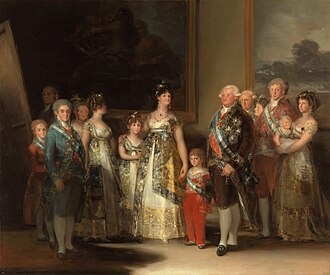 La Famille de Charles IV - Francisco Goya (1800)
 La Maja vêtue - Francisco Goya (1800)
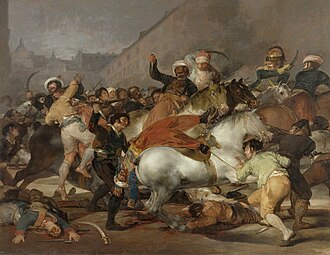 Dos de Mayo - Francisco Goya (1814)
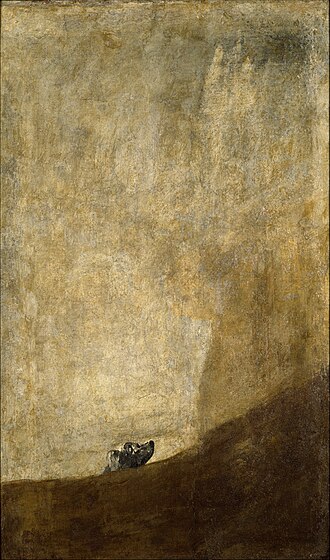 Le Chien - Francisco Goya (1819)
 Le Sabbat des sorcières - Francisco Goya (1820s)
Œuvres d'artistes liés
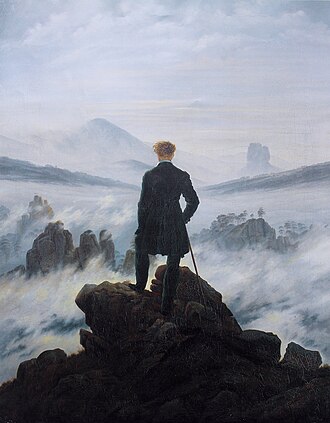 Le Voyageur contemplant une mer de nuages - Caspar David Friedrich (c. 1818)
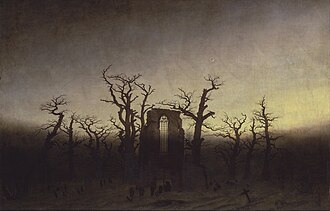 L'Abbaye dans une forêt de chênes - Caspar David Friedrich (1800s)
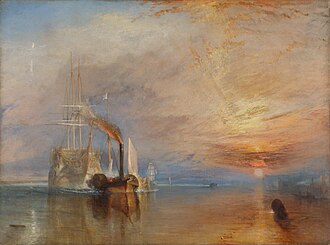 Le Dernier Voyage du Téméraire - J. M. W. Turner (1839)
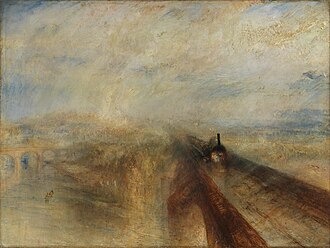 Pluie, Vapeur et Vitesse - J. M. W. Turner (1844)
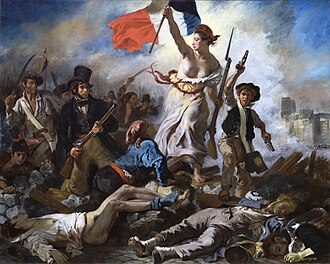 La Liberté guidant le peuple - Eugène Delacroix (1830)
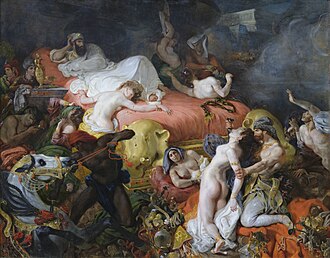 La Mort de Sardanapale - Eugène Delacroix (1827)