Ferdinand Guillemardet
Francisco Goya · 1798
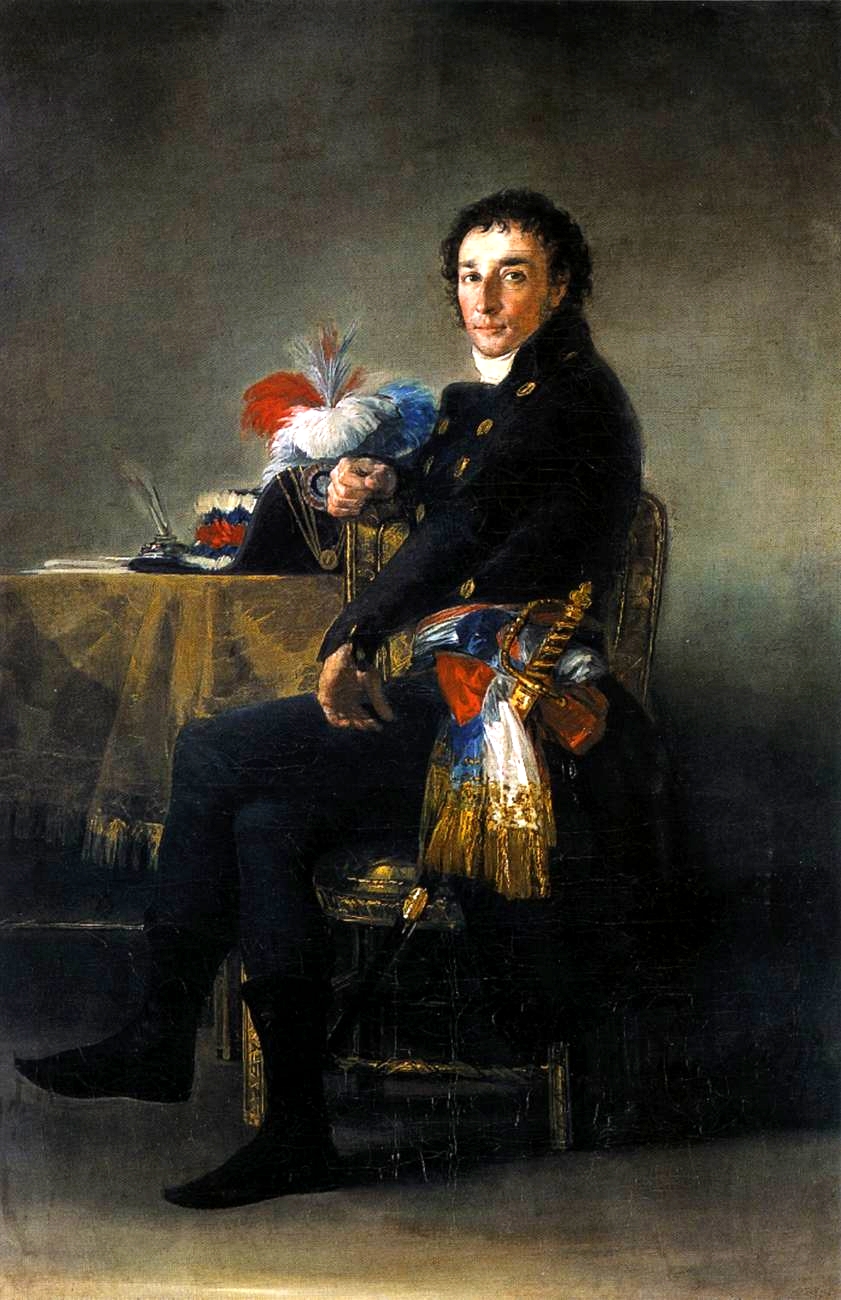
A French ambassador sits with legs crossed and looks straight at us, the blue, white and red of the young Republic blazing on his sash and hat. Goya counted this portrait among his own favourite paintings.
The story behind the painting
Goya painted this portrait in 1798 to 1799. Its sitter, Ferdinand Guillemardet, who lived from 1765 to 1809, was the French ambassador to Spain between 1798 and 1800. He had been a deputy of the Convention and was known for an edict turning church buildings into civil meeting centres. Why the portrait was made is not known. It is possible that Guillemardet was encouraged to sit for the King's Chamber Painter by the ministers Mariano Luis de Urquijo or Gaspar Melchor de Jovellanos, who were more friendly towards France.
What to look for
Guillemardet sits with his body in profile while his face turns toward us with an intelligent gaze, legs crossed in a relaxed attitude. The pose looks natural but is carefully studied, as Goya wanted to move away from the stiffer postures of his other sitters. Look for the colours of the French Republic, blue, red and white, vivid on the sash tied around his waist and on the cockade and feathers of the bicorne hat on the table behind him. They stand out against the soft gold of the table and chair. Goya builds the rest with subtle nuances and reflections in the bluish blacks that dominate the canvas.
Meaning and intent
The portrait presents an energetic man, the representative of a powerful neighbouring nation. Guillemardet personifies the French Republic, sure of itself, and he is shown as completely confident in the power of the young state he serves. The relaxed crossing of the legs and the steady gaze turn that political confidence into something personal and alive. According to Goya himself, it was one of his favourite paintings, perhaps because here he could combine bold symbolic colour with the delicate play of dark tones in which he was a master.
Legacy
The portrait was exhibited at the Real Academia de Bellas Artes de San Fernando in Madrid in July 1799. Guillemardet then took it with him to France. It was later given to the Louvre by his son Félix, a friend of the painter Eugène Delacroix, and it hangs there today. Through that gift, Goya's image of a confident revolutionary diplomat entered the museum, where Wikidata records it in the Department of Paintings, and where it can still be seen as one of the most lively portraits from his years as court painter.
Le saviez-vous ?
- Painted in 1798-1799.
- The sitter was French ambassador to Spain from 1798 to 1800.
- Goya named it among his favourite paintings.
- Given to the Louvre by the sitter's son Félix.
À propos de l'artiste
Francisco Goya (1746-1828)
portrait · homme · département des peintures du musée du Louvre · position assise · table · mode des années 1795-1820 · chaise · épée · bicorne
Autres œuvres de Francisco Goya
 Tres de Mayo - Francisco Goya (1814)
.jpg) La Maja nue - Francisco Goya (1800)
La Maja nue - Francisco Goya (1800).jpg) Saturne dévorant un de ses enfants - Francisco Goya (1819)
Saturne dévorant un de ses enfants - Francisco Goya (1819) La Famille de Charles IV - Francisco Goya (1800)
 La Maja vêtue - Francisco Goya (1800)
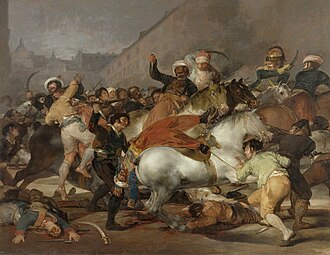 Dos de Mayo - Francisco Goya (1814)
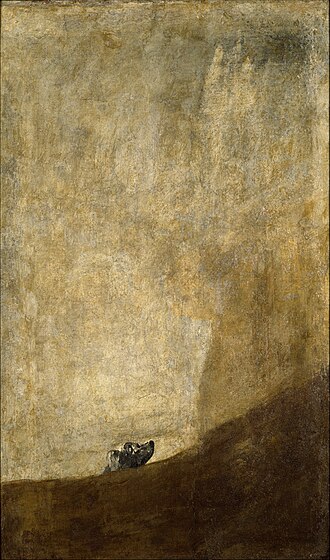 Le Chien - Francisco Goya (1819)
 Le Sabbat des sorcières - Francisco Goya (1820s)
Œuvres d'artistes liés
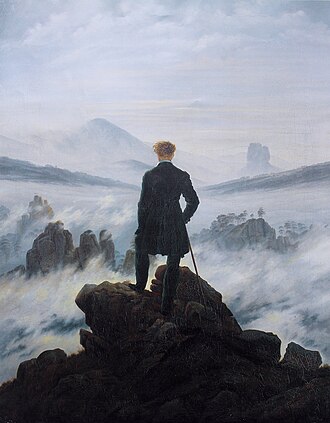 Le Voyageur contemplant une mer de nuages - Caspar David Friedrich (c. 1818)
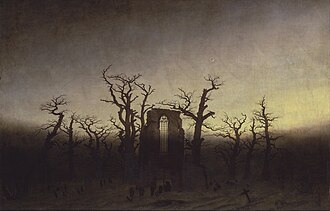 L'Abbaye dans une forêt de chênes - Caspar David Friedrich (1800s)
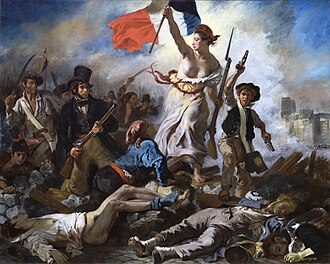 La Liberté guidant le peuple - Eugène Delacroix (1830)
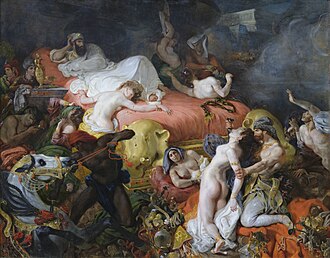 La Mort de Sardanapale - Eugène Delacroix (1827)
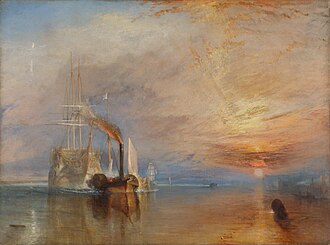 Le Dernier Voyage du Téméraire - J. M. W. Turner (1839)
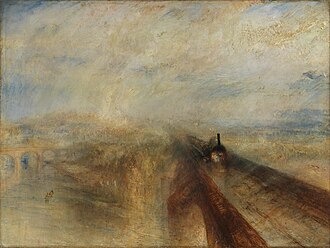 Pluie, Vapeur et Vitesse - J. M. W. Turner (1844)
.jpg) L'Enfant bleu - Thomas Gainsborough (1770)
L'Enfant bleu - Thomas Gainsborough (1770).jpg) Les Époux Andrews - Thomas Gainsborough (1748)
Les Époux Andrews - Thomas Gainsborough (1748)