Le froid Octobre
John Everett Millais · 1870
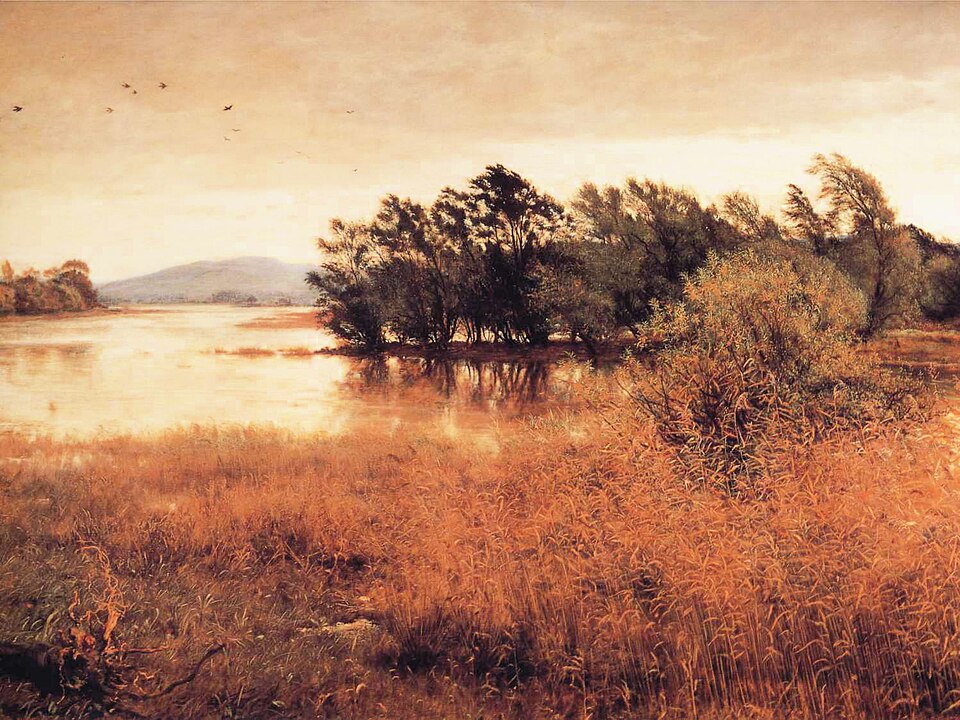
Wind-bent willows, rustling reeds and a grey sky over the Tay. Millais painted every touch outdoors, with the tide once carrying off his platform and passing trains threatening to blow his canvas into the river.
The story behind the painting
Chill October, painted in 1870, was Millais's first large Scottish landscape. The spot lies on a backwater of the Tay just below Kinfauns near Perth, close to Bowerswell House, the family home of his wife Effie Gray. Millais first noticed it from a passing train on the line between Perth and Dundee, and the simple scene impressed him for years before he came back to paint it. In a note of 1882 pasted to the stretcher he wrote of danger on either side: the tide that once carried away his platform, and the trains that threatened to blow his work into the river.
What to look for
Long grasses fill the right foreground. To the left the land stretches past a river bank with wind-blown willows and reeds toward a distant hill beside the Firth of Tay. The palette is the muted green, yellow and brown of autumn under a sombre grey sky. There are no figures and no story, only weather and water. Millais made no sketch; he painted every touch from nature on the canvas itself, under irritating trials of wind and rain, as he put it, and the only studio work concerned the general effect. The canvas measures about 141 by 186.7 cm.
Meaning and intent
Millais said he chose the subject for the sentiment it always conveyed to his mind, and he was happy that the picture touched the public in the same way, although many of his friends could not understand what he saw to paint in such a scene. That gap is the heart of the work: a plain stretch of riverbank, painted on a grand scale, carries the feeling of the season turning cold. For a painter famous for crowded figure scenes, it was a quiet, personal landscape built only from mood.
Legacy
Chill October was shown at the Royal Academy in 1871 and won a prize at the Paris Exposition Universelle in 1878. It hung in the houses of Samuel Mendel at Manley Hall and then of William Armstrong at Cragside. In 1891 The Magazine of Art called it the most famous landscape in the Armstrong collection and the first and noblest of his great landscapes. It was included in the Royal Academy's Millais retrospective in the winter of 1898. Sold by Armstrong's heirs in 1910, it stayed in one family for three generations until Andrew Lloyd Webber acquired it in 1991.
Le saviez-vous ?
- Painted in 1870 by a backwater of the Tay near Perth.
- Millais's first large-scale Scottish landscape.
- Painted entirely outdoors, without a preparatory sketch.
- Shown at the Royal Academy in 1871; now in the Andrew Lloyd Webber Collection.
À propos de l'artiste
John Everett Millais (1829-1896)
Autres œuvres de John Everett Millais
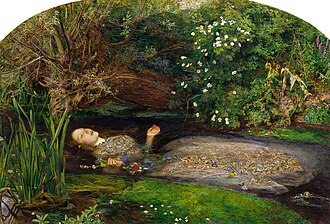 Ophélie - John Everett Millais (1851)
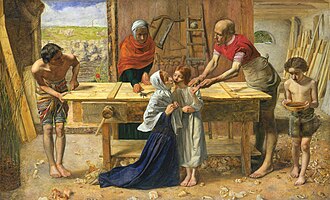 Le Christ dans la maison de ses parents - John Everett Millais (1849)
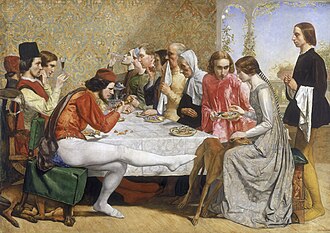 Isabella - John Everett Millais (1849)
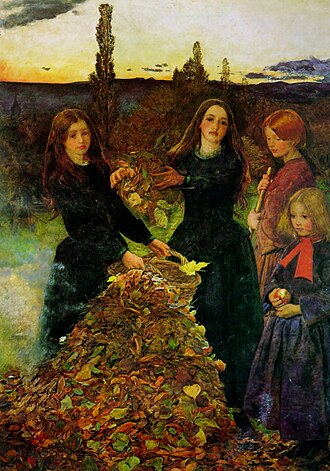 Feuilles d'automne - John Everett Millais (1856)
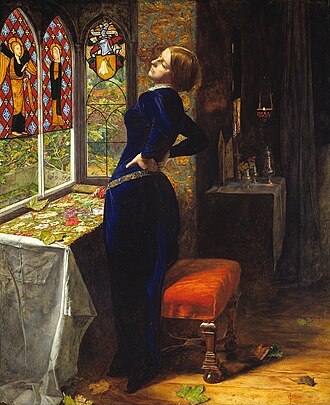 Mariana - John Everett Millais (1851)
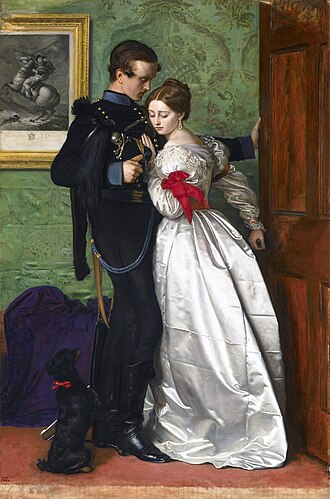 Le Hussard noir de Brunswick - John Everett Millais (1860)
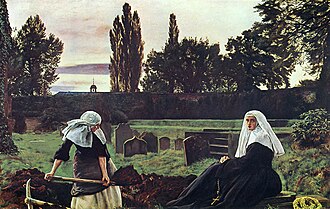 La Vallée du repos - John Everett Millais (1850s)
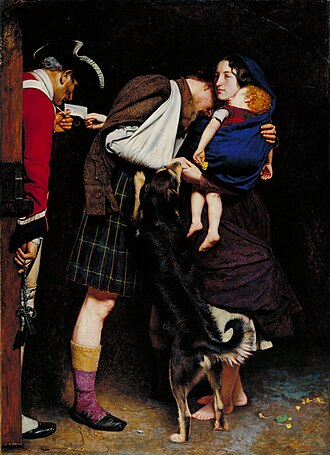 L'Ordre d'élargissement - John Everett Millais (1850s)
Œuvres d'artistes liés
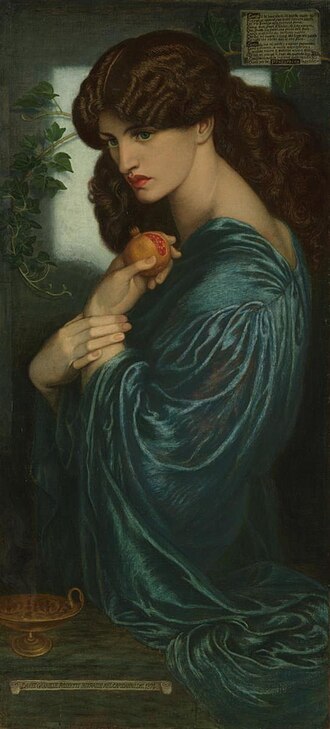 Perséphone - Dante Gabriel Rossetti (1874)
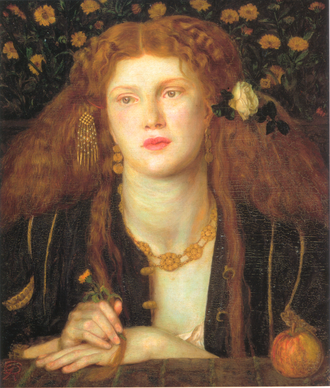 Bocca Baciata - Dante Gabriel Rossetti (1859)
 Hylas et les nymphes - John William Waterhouse (1896)
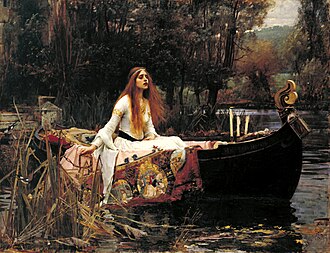 The Lady of Shalott - John William Waterhouse (1888)