Les Joueurs de cartes
Francisco Goya · 1777
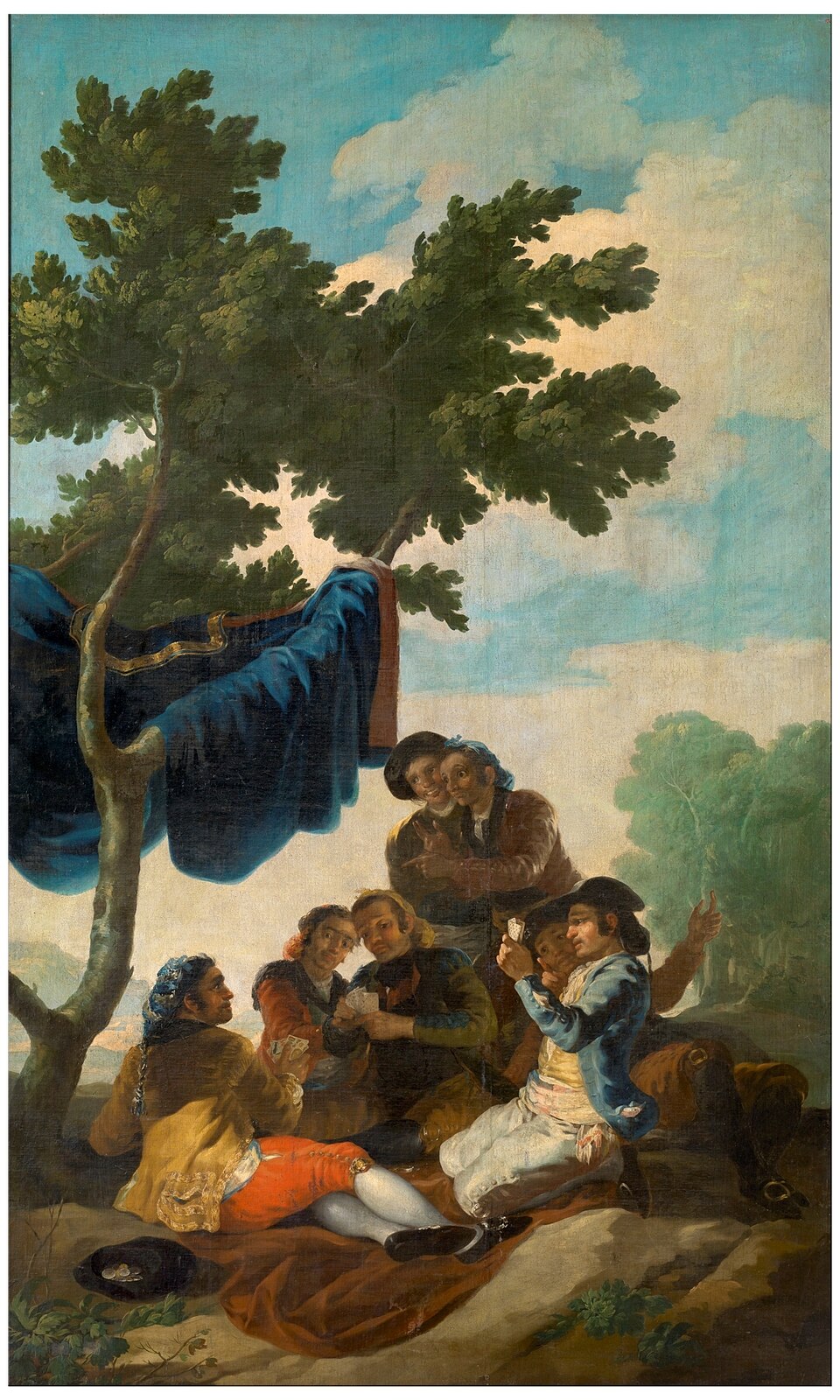
Under a shady tree, a group of majos plays cards, and one man stands behind a player signalling to his partner. Goya lets the cheat look straight out at us, making us accomplices.
The story behind the painting
Goya created The Card Players in 1777 for his second series of tapestry cartoons, designed for the dining room of the Prince of Asturias, the future Charles IV, and his wife Maria Luisa of Parma at the El Pardo Royal Palace. It was delivered to the Royal Tapestry Factory on 25 January 1778. Its companions included Picnic on the Banks of the Manzanares, The Parasol, The Kite and Boys Picking Fruit.
What to look for
A group of majos plays cards outdoors in the shade of a tree. One of them stands behind a player and signals to his partner to ensure a win. The cheat draws the viewer into the scene. The composition is natural, built on a classical pyramid, and the lighting heightens the vivid colours. The brushwork is loose, even though the scene looks highly detailed at first glance. The canvas is about 270 by 167 cm.
Meaning and intent
The cheat was a common figure in 18th-century imagery, and Goya develops it with great mastery. The canvas draws heavily on Caravaggio's The Cardsharps of 1595. It is counted among Goya's most striking and original works from the time he immersed himself in the world of the majos, and as his social standing rose he used contrasts of light and shadow to heighten the realism of his scenes. It is genre painting with a wink.
Legacy
The canvas was considered lost until 1869, when Gregorio Cruzada Villaamil rediscovered it in the basement of the Royal Palace of Madrid. It was transferred to the Museo del Prado in 1870, first listed in its catalogue in 1876, and hangs today in Room 85. It returned there together with its companions from the same series, such as Boys Picking Fruit, and the cheat is still signalling to his partner for every visitor who stops.
Le saviez-vous ?
- Painted in 1777 as a tapestry cartoon.
- Delivered to the Royal Tapestry Factory on 25 January 1778.
- Inspired by Caravaggio's The Cardsharps.
- Rediscovered in 1869; in the Prado since 1870.
À propos de l'artiste
Francisco Goya (1746-1828)
musée du Prado · chapeau · carte à jouer
Autres œuvres de Francisco Goya
 Tres de Mayo - Francisco Goya (1814)
.jpg) La Maja nue - Francisco Goya (1800)
La Maja nue - Francisco Goya (1800).jpg) Saturne dévorant un de ses enfants - Francisco Goya (1819)
Saturne dévorant un de ses enfants - Francisco Goya (1819) La Famille de Charles IV - Francisco Goya (1800)
 La Maja vêtue - Francisco Goya (1800)
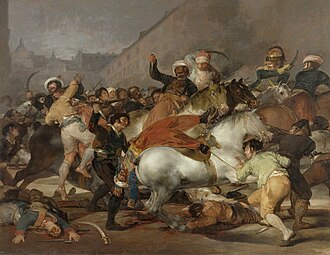 Dos de Mayo - Francisco Goya (1814)
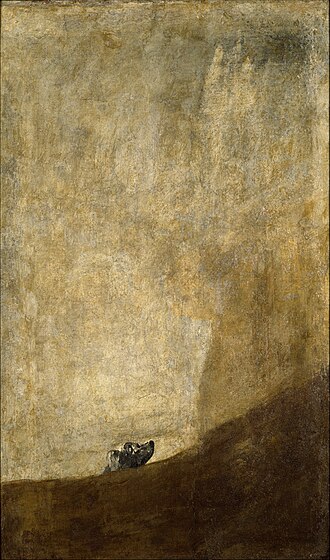 Le Chien - Francisco Goya (1819)
 Le Sabbat des sorcières - Francisco Goya (1820s)
Œuvres d'artistes liés
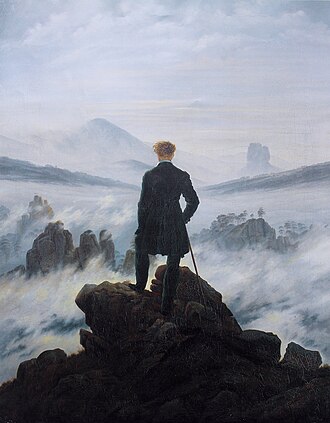 Le Voyageur contemplant une mer de nuages - Caspar David Friedrich (c. 1818)
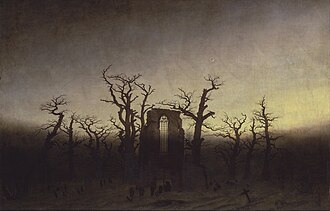 L'Abbaye dans une forêt de chênes - Caspar David Friedrich (1800s)
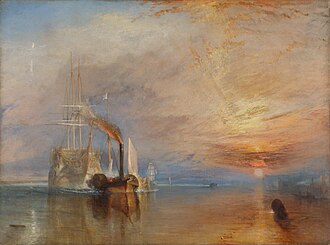 Le Dernier Voyage du Téméraire - J. M. W. Turner (1839)
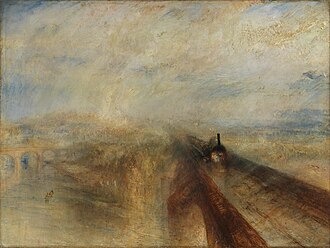 Pluie, Vapeur et Vitesse - J. M. W. Turner (1844)
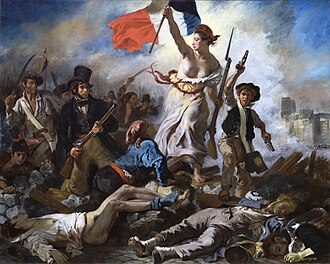 La Liberté guidant le peuple - Eugène Delacroix (1830)
 La Mort de Sardanapale - Eugène Delacroix (1827)