Retrato de una dama con abanico
Artemisia Gentileschi · 1620s
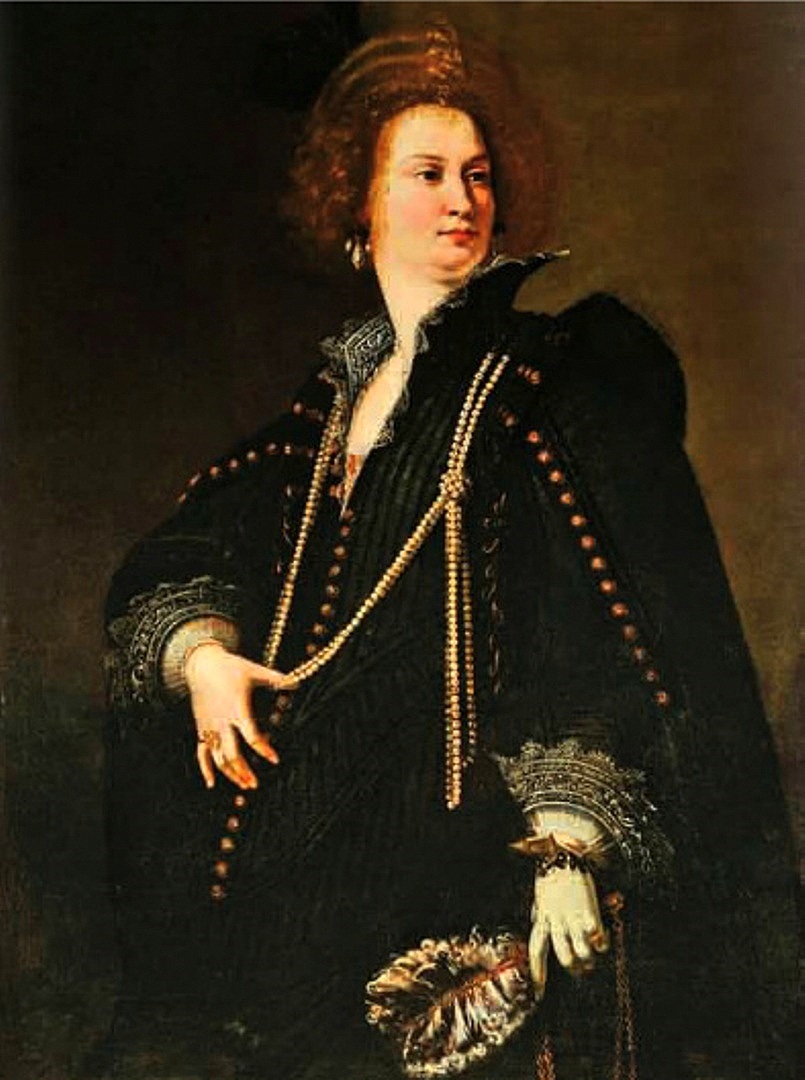
A woman in Genoese black, pearls to her waist, an ostrich feather fan in her gloved hand. For a long time the picture was given to Artemisia Gentileschi's father. Today historians agree it is hers alone.
The story behind the painting
Artemisia Gentileschi painted this portrait in the mid-1620s. Nobody knows firmly who the sitter is. Some historians have wondered whether it might be a self-portrait, but the rich clothing and jewellery make that unlikely. Wikidata still lists both portrait and self-portrait as its genre, so the question stays open in the records. Art historians first gave the painting to her father, Orazio, probably because of descriptions in eighteenth-century inventories, and some saw the hands of both father and daughter in it.
What to look for
The woman stands at an angle to us, seen in three-quarter view. She wears a high-necked black gown in the Genoese fashion, trimmed with gold buttons and lace. Her right hand rests on a long string of pearls that falls to her waist, while her gloved left hand holds an ostrich feather fan. Every detail, from the jewellery to the pose, presents a woman of wealth and standing. The canvas is about 127.5 by 95.3 cm, large enough to give her an imposing presence.
Meaning and intent
The confident pose and luxurious black costume recall the portraits that Anthony van Dyck and Peter Paul Rubens were painting in Genoa at the same time. There is no evidence that Artemisia ever visited the city, but she did have personal connections there. The portrait may have been an attempt to win patronage from Genoa's wealthy elite, showing them that she could paint their world in the fashion they admired. The consensus now is that the painting is by Artemisia alone, not shared with her father.
Legacy
The painting is recorded in the collection of the aristocratic Balbi family by 1682. It then passed through descendants of the Balbi and Spinola families to Admiral Franco Spinola. In 1959 he bequeathed it, together with his property at Villa Pagana, to its present owner, the Sovereign Military Order of Malta. The long chain of Genoese owners fits the idea that the picture was made with that city's elite in mind, and its return from her father's name to her own is part of its story.
¿Sabías que…?
- Painted by Artemisia Gentileschi in the mid-1620s.
- Once attributed to her father, Orazio; now agreed to be hers alone.
- In the Balbi family collection by 1682.
- Bequeathed in 1959 to the Sovereign Military Order of Malta.
Sobre el artista
Artemisia Gentileschi (1593-1653)
retrato · autorretrato · mujer desconocida
Más obras de Artemisia Gentileschi
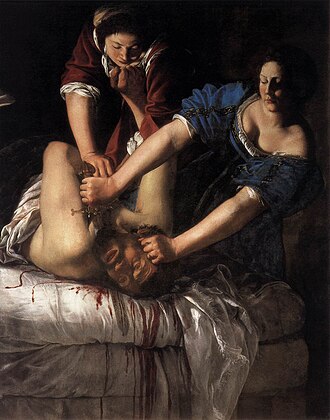 Judit decapitando a Holofernes - Artemisia Gentileschi (1613)
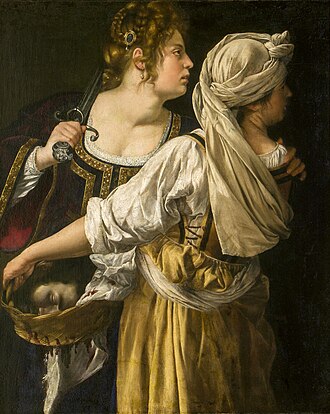 Judit y su doncella - Artemisia Gentileschi (1618)
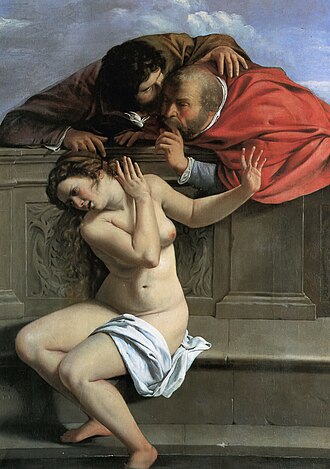 Susana y los viejos - Artemisia Gentileschi (1610)
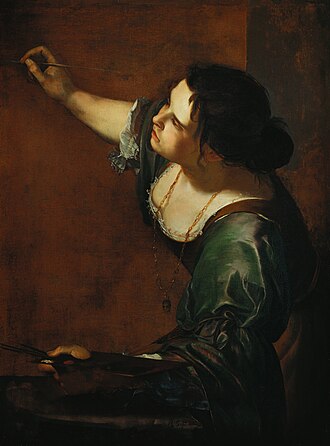 Autorretrato como alegoría de la pintura - Artemisia Gentileschi (1638)
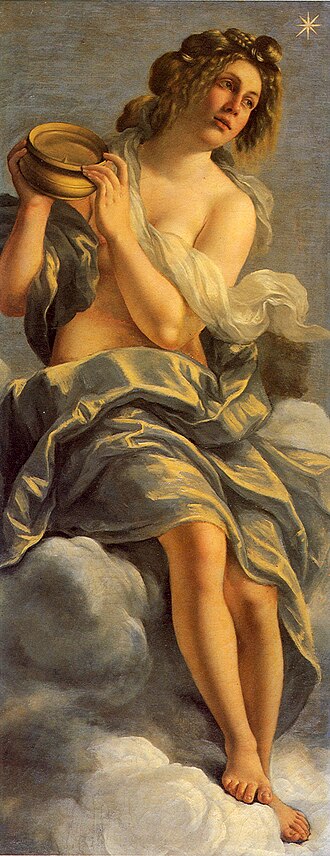 Alegoría de la inclinación - Artemisia Gentileschi (1615)
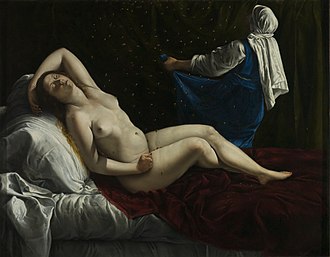 Dánae - Artemisia Gentileschi (1612)
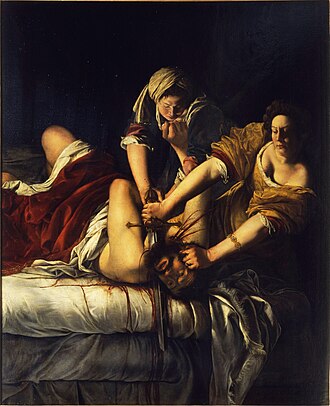 Judit decapitando a Holofernes - Artemisia Gentileschi (1620)
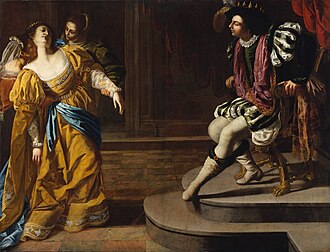 Ester y Asuero - Artemisia Gentileschi (1620s)
Obras de artistas relacionados
 La cena de Emaús - Caravaggio (1601)
 La vocación de San Mateo - Caravaggio (1609)
 Las meninas - Diego Velázquez (1656)
 La rendición de Breda - Diego Velázquez (1635)
 Saint Francis in Meditation - Francisco de Zurbarán (1639)
 Inmaculada Concepción - Francisco de Zurbarán (1661)
 Triple retrato de Carlos I - Anthony van Dyck (1635)
 Charles I (1600-1649) with M. de St Antoine - Anthony van Dyck (1636)
 La elevación de la cruz - Peter Paul Rubens (1609)
 Rapto de las hijas de Leucipo - Peter Paul Rubens (1618)
 La ronda de noche - Rembrandt van Rijn (1642)
 Autorretrato - Rembrandt van Rijn (1659)