Nahshon
Miguel Ángel · 1511
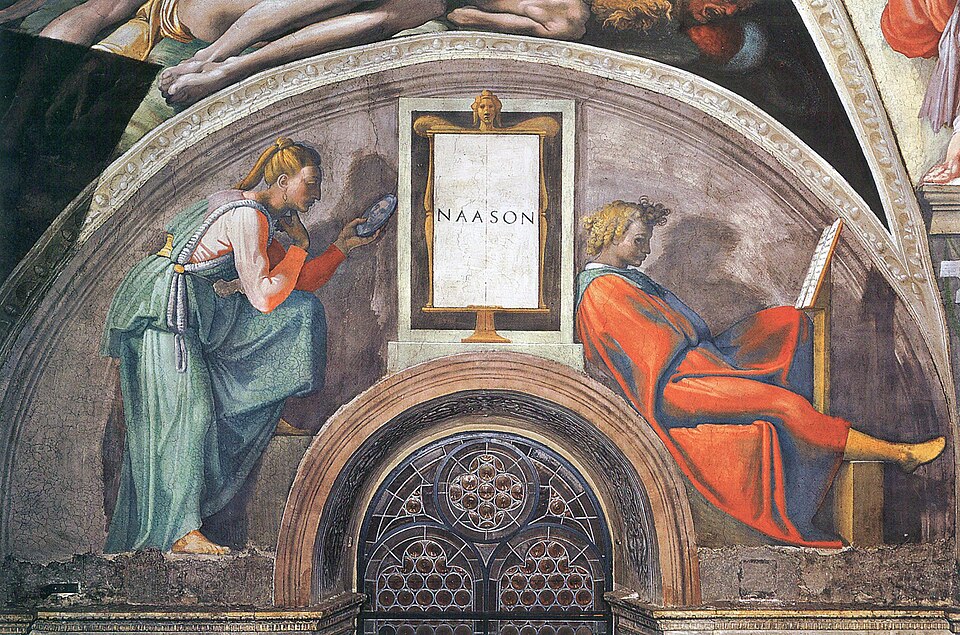
A blond youth lounges in a red cloak, pretending not to notice the woman behind him, who studies herself in an oval mirror. Michelangelo painted this pair, Nahshon and his wife, high on the wall of the Sistine Chapel.
The story behind the painting
The lunettes above the windows of the Sistine Chapel hold the Ancestors of Christ, following the genealogy in the Gospel of Matthew. Michelangelo painted them, like the rest of the ceiling commissioned by Pope Julius II, in two phases starting from the entrance wall. In summer 1511 the first half was done and the scaffolding was rebuilt in the other half; the second phase began in October 1511 and ended a year later, just in time for the unveiling on the eve of All Saints 1512. The Nahshon lunette was probably the thirteenth of sixteen to be painted.
What to look for
Nahshon is on the right, half-lying, shoulders against the edge of the name plate, his right leg stretched onto a wooden step at the foot of a lectern, the other bent. He wears a red cloak with a green hood, a white collar and one yellow boot. His adolescent face, framed by blond curls, looks a little sulky. On the left his wife stands with one foot on a step, gazing into an oval mirror, her other hand touching her face. Her long blond hair is gathered into a bun with a long tail; she wears earrings, a green fur-trimmed dress, and is barefoot.
Meaning and intent
For the first time in the series, both figures face the same way instead of forming a symmetry. In the second phase, at the pope's insistence on finishing quickly, the name plates were simplified, the backgrounds grew lighter and the figures larger, painted faster and more fluidly. The enlarged proportions are an optical device for people walking from the door to the altar, as in processions. The woman's pose may echo an ancient relief of the muse Melpomene from Roman sarcophagi. Two sketches of it survive in the so-called Oxford sketchbook, and a male nude version in the Casa Buonarroti.
Legacy
Nahshon is the next-to-last of the lunettes that survive today; the last two on the altar wall were destroyed to make room for the Last Judgement. The lunettes were among the most blackened parts of the chapel, and their restoration in 1986 gave astonishing results, bringing back the reds, greens, yellows and pinks described here. The lunette sits on the left wall, the first from the altar, above the pendentive of the Punishment of Haman. Wikidata dates it to 1511 and places it in the Vatican Museums.
¿Sabías que…?
- Fresco lunette in the Sistine Chapel, about 1511-1512.
- Part of the Ancestors of Christ series on the chapel walls.
- Probably the thirteenth of sixteen lunettes to be painted.
- Restored in 1986.
Sobre el artista
Miguel Ángel (1475-1564)
arte religioso · Alto Renacimiento · Museos Vaticanos
Más obras de Miguel Ángel
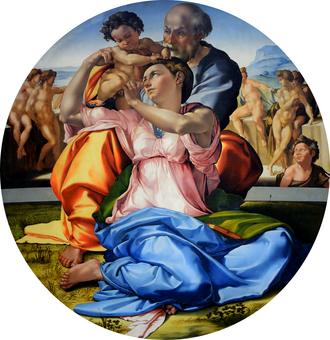 Tondo Doni - Michelangelo (1500s)
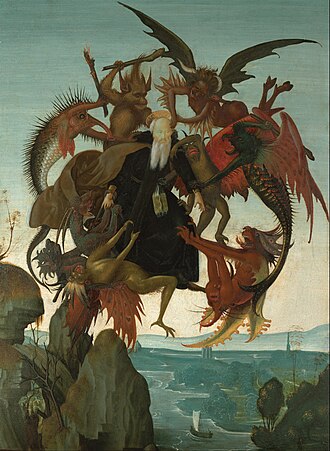 Los tormentos de San Antonio - Michelangelo (1487)
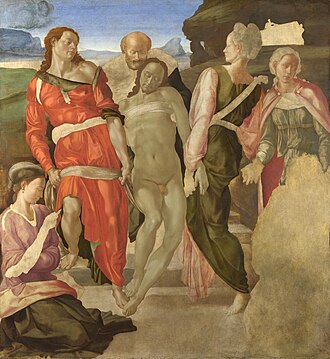 Santo Entierro - Michelangelo (1500s)
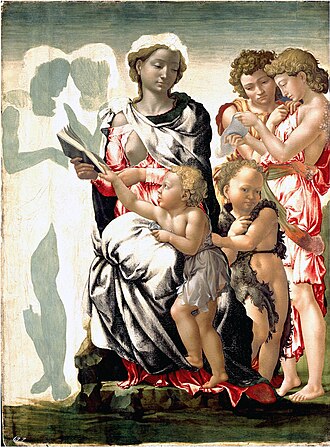 Madonna de Manchester - Michelangelo (1494)
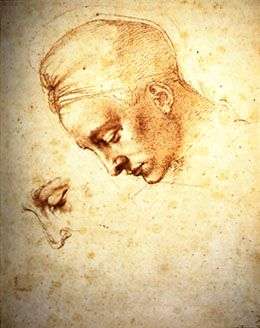 Leda y el cisne - Michelangelo (1530)
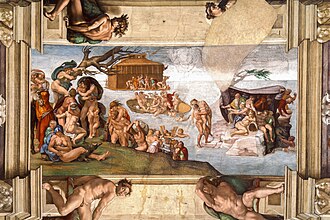 Diluvio Universale - Michelangelo (1508)
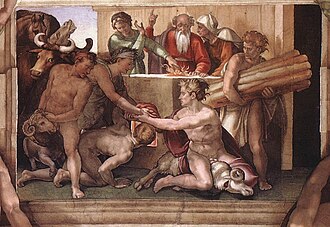 El Sacrificio de Noé - Michelangelo (1508)
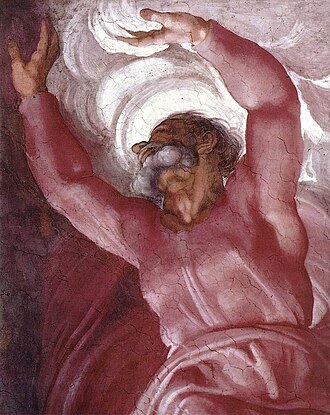 Separación de la luz de la oscuridad - Michelangelo (1512)
Obras de artistas relacionados
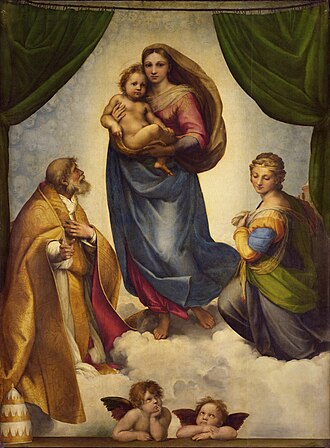 Madonna Sixtina - Raphael (1510s)
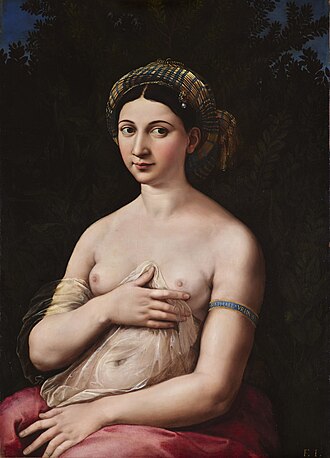 La Fornarina - Raphael
 Venus de Urbino - Titian (1538)
 La Asunción de la Virgen - Titian (1510s)
 La Gioconda - Leonardo da Vinci (1503-1519)
 La dama del armiño - Leonardo da Vinci (1490)
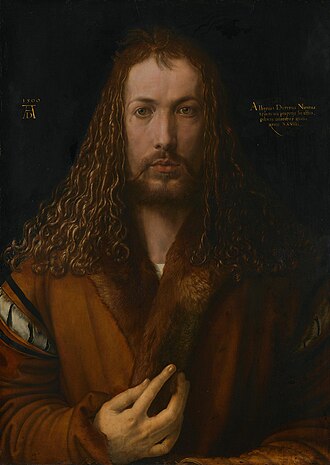 Autorretrato de Durero - Albrecht Dürer (1500)
 Adoración de los Magos - Albrecht Dürer (1504)
 El nacimiento de Venus - Sandro Botticelli (c. 1485)
 La primavera - Sandro Botticelli (1480s)
 El jardín de las delicias - Hieronymus Bosch
 La nave de los locos - Hieronymus Bosch (1500s)