Un espárrago
Édouard Manet · 1880
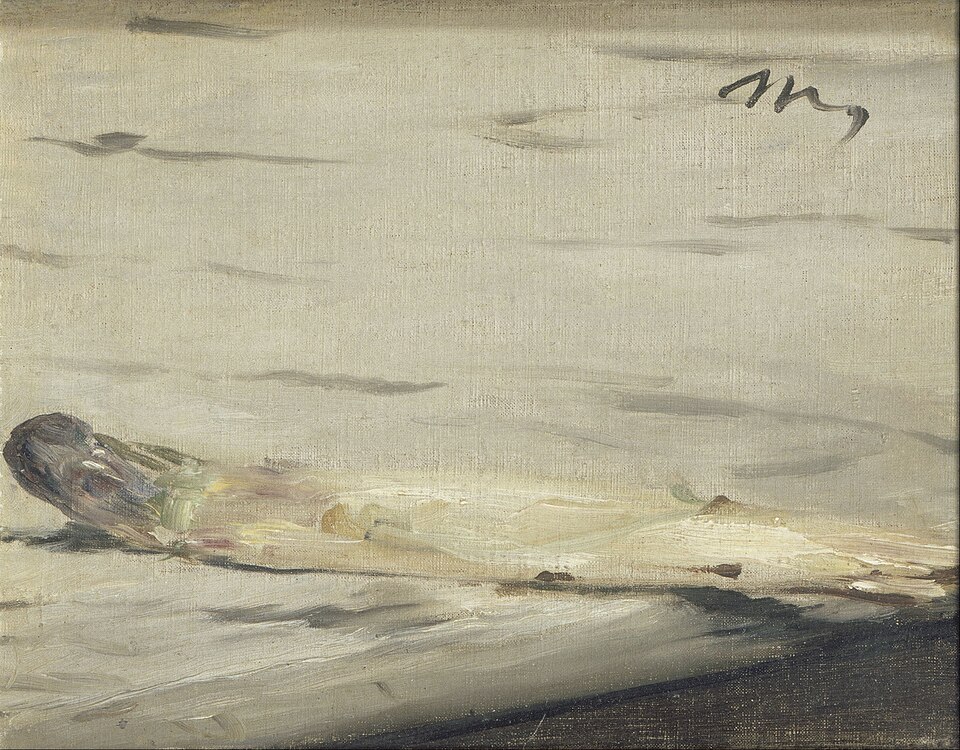
A single stalk of asparagus lies on a pale marble ledge. That is all. Yet this tiny canvas is one of the most charming thank-you notes in art history, and Manet meant it as a joke.
The story behind the painting
In 1880 the collector and patron Charles Ephrussi commissioned Manet to paint A Bundle of Asparagus, and then paid him more than the agreed sum. Manet answered with this smaller picture, a single sprig, and sent it with a note saying that one was missing from his bunch. Art historians see the gesture as typical of Manet's wit: instead of simply accepting the extra, he turned a commercial transaction into a symbolic exchange, and confirmed his image as a refined and gracious artist with a fine sense of humour.
What to look for
The canvas is tiny, about 16 by 21 cm, and signed at the top right. The composition is spare: one stalk resting on a light marble surface. Look at the tip, with its muted greens and violets set against the neutral marble, and at how loosely and lightly the brush moves. Its companion, A Bundle of Asparagus, shows many stalks on a dark ground with strong light and shadow, in the manner of 17th century Dutch still lifes. This one is lighter, more intimate and informal, almost a private aside.
Meaning and intent
Carol M. Armstrong calls the work a study in reductionism, a painting that declares its own paintedness and cares more about representation than about the real vegetable. Georges Bataille described it as still, certainly, but full of life. The joke also has depth: by painting a substitute for a missing stalk, Manet played with the equivalence between real objects and their images, and between art and economic value. It belongs to his late series of small still lifes, with works such as The Lemon and The Ham.
Legacy
The story of the missing sprig has become one of the best-known anecdotes in art history, often told to show how Manet blended humour and painting. The picture is now in the Musée d'Orsay in Paris; Wikidata also lists the Louvre's Department of Paintings as a holder. Its charm has reached readers far beyond museums. The novelist Sheila Heti has called it her favourite painting, and in How Should a Person Be? her narrator describes it as the most moving thing she had ever seen, painted so tenderly and loosely.
¿Sabías que…?
- Painted in 1880 for the collector Charles Ephrussi.
- A companion to A Bundle of Asparagus.
- About 16 by 21 cm, signed at the top right.
- Held by the Musée d'Orsay, Paris.
Sobre el artista
Édouard Manet (1832-1883)
Departamento de Pinturas del Museo del Louvre · Museo de Orsay · bodegón
Más obras de Édouard Manet
 Almuerzo sobre la hierba - Édouard Manet (1863)
 Olympia - Édouard Manet (1863)
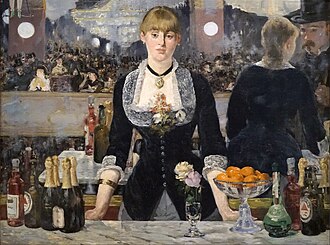 Un bar del Folies Bergère - Édouard Manet (1882)
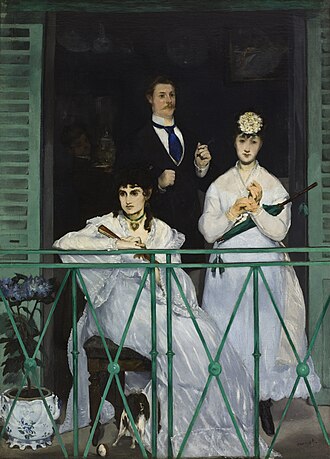 El balcón - Édouard Manet (1868)
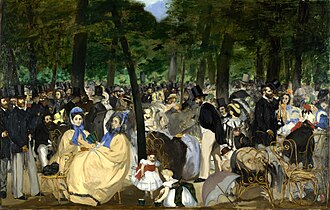 La música en las Tullerías - Édouard Manet (1862)
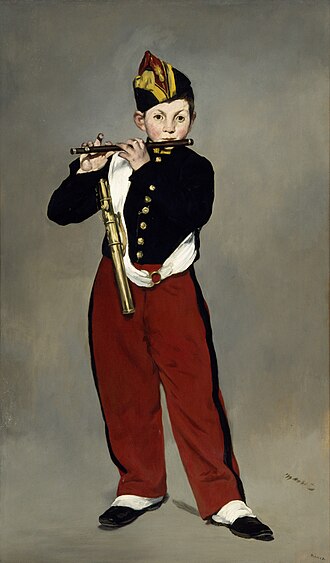 El pífano - Édouard Manet (1866)
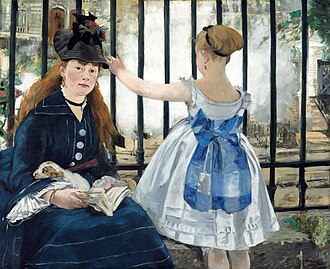 El Ferrocarril o El Camino de Hierro. - Édouard Manet (1873)
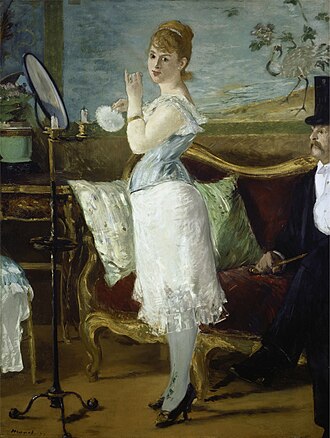 Nana - Édouard Manet (1877)
Obras de artistas relacionados
 Impresión, sol naciente - Claude Monet (1872)
 Nenúfares - Claude Monet (1906)
 Baile en el Moulin de la Galette - Pierre-Auguste Renoir (1876)
 El almuerzo de los remeros - Pierre-Auguste Renoir (1881)
 La cuna - Berthe Morisot (1872)
 Summer's Day - Berthe Morisot (1879)
 El ajenjo - Edgar Degas (1875)
 Die Bellelli Familie - Edgar Degas (1858)
 El canal del Loing - Alfred Sisley (1892)
 The Watering Pond at Marly with Hoarfrost - Alfred Sisley (1876)
 Calle de Paris, dia de lluvia - Gustave Caillebotte (1877)
 Los acuchilladores de parqué - Gustave Caillebotte (1875)