Una charla junto a la chimenea
Jean-Léon Gérôme · 1881
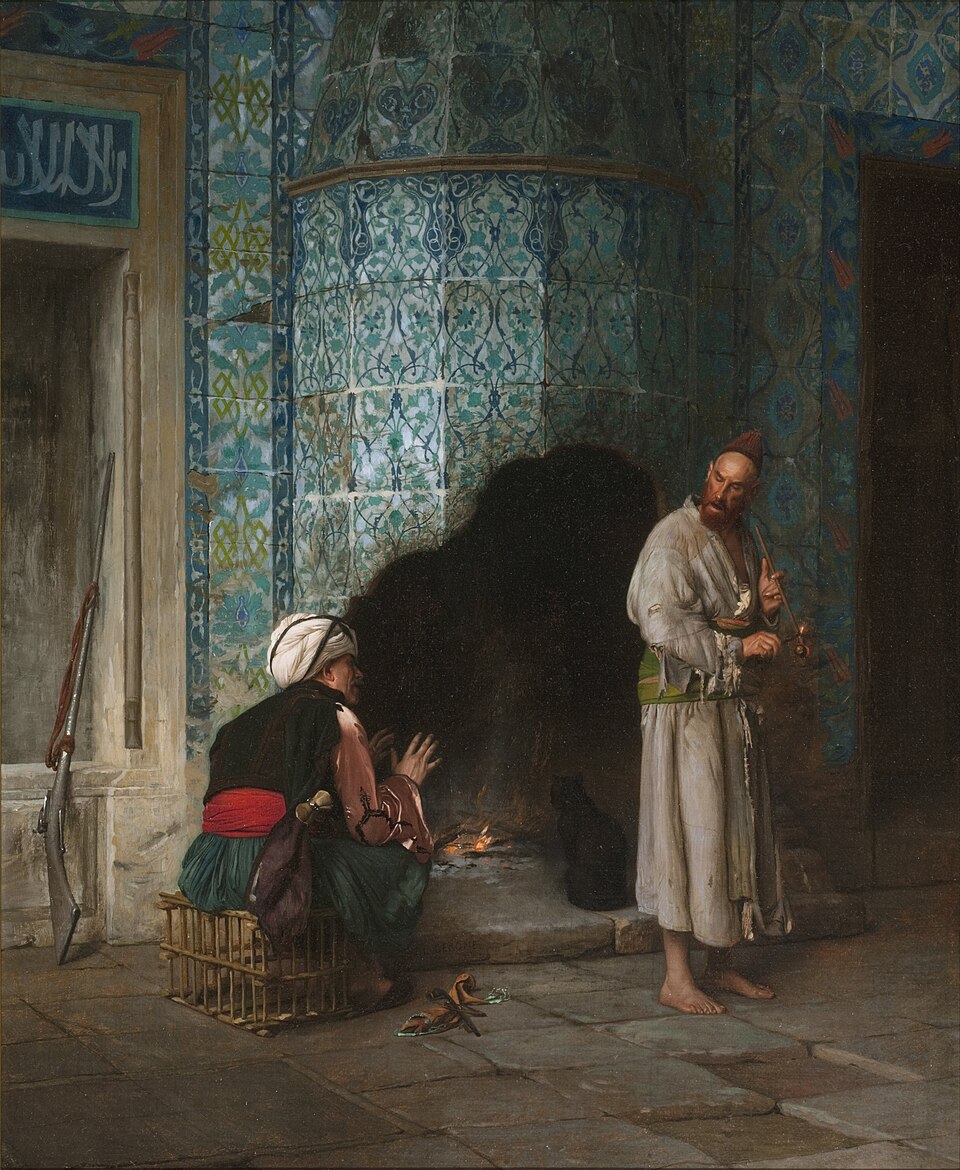
Two men warm themselves at a tiled hearth, talking as if no one were watching, while a black cat stares into the flames. Gérôme painted this Ottoman interior in Paris, with models in costumes he had carried home.
The story behind the painting
Jean-Léon Gérôme completed A Chat by the Fireside in 1881, after returning to Paris from travels in Ottoman Turkey in 1879. He was nearly sixty, a towering figure of French academic art who taught at the Académie and railed against the Impressionists, and who had recently taken up sculpture too. His Orientalist themes began with his first journey to Egypt in 1856. On later trips he gathered costumes, props and even set pieces, then arranged scenes in France. Here he dressed two of his regular models in costumes from his travels.
What to look for
The man seated at left wears the dress of an Ottoman soldier. He has put his pipe aside to warm his hands, and his musket leans against the wall. The man standing at right is dressed as a palace servant and holds his own pipe. Behind him a black cat sits on the edge of the hearth, its back to us, gazing into the fire. At the far right a hallway fades into darkness. The fireplace wall is covered in Iznik tiles with flowering vines, worn, stained, scorched and chipped. The signature J L GEROME is on the plinth near the soldier's feet.
Meaning and intent
The men pay no attention to the viewer, which gives the scene its candid feeling. The shabby tiles fit an Orientalist theme of the East as a place of tarnished beauty from a bygone height, an idea also seen in the tiled wall of Gérôme's The Snake Charmer of 1879. The musket is something of an anachronism: such guns belonged to the Janissaries, disbanded in 1826, while the later Ottoman army bought modern rifles from the United States. Gérôme may have brought back an antique, and may also have chosen to show the Ottoman military as relatively primitive.
Legacy
The painting is a small canvas, about 46.4 by 38.1 cm. It belongs to the Spencer Museum of Art at the University of Kansas in Lawrence, where, according to Wikipedia, it is not on public view. It was made at the moment when Gérôme was perhaps the most renowned living artist in the world, and it shows his working method clearly: the East reconstructed in a Paris studio from objects collected on the road. Seen today, it invites both admiration for its detail and questions about how Europe chose to picture the Ottoman world.
¿Sabías que…?
- Completed in 1881 after Gérôme's 1879 trip to Ottoman Turkey.
- Painted in Paris from models in collected costumes.
- The fireplace is covered in worn Iznik tiles.
- Held by the Spencer Museum of Art, University of Kansas.
Sobre el artista
Jean-Léon Gérôme (1824-1904)
Más obras de Jean-Léon Gérôme
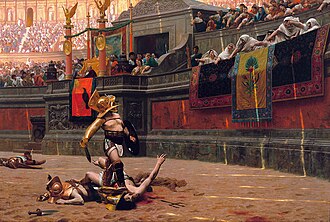 Pollice verso - Jean-Léon Gérôme (1872)
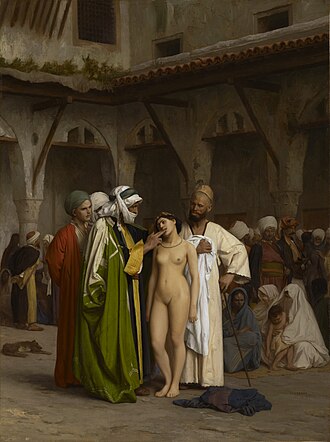 El mercado de esclavos - Jean-Léon Gérôme (1866)
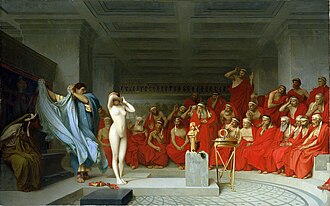 Friné frente al Areópago - Jean-Léon Gérôme (1861)
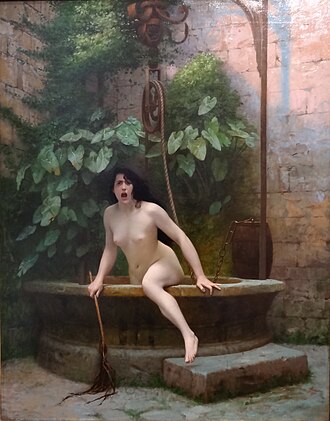 La verdad saliendo del pozo - Jean-Léon Gérôme (1896)
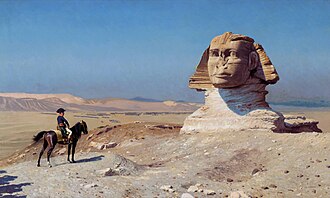 Bonaparte ante la Esfinge - Jean-Léon Gérôme (1867)
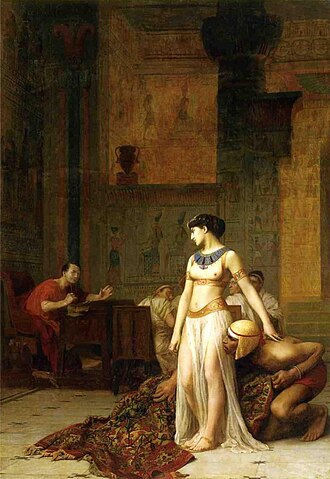 Cleopatra y César - Jean-Léon Gérôme (1866)
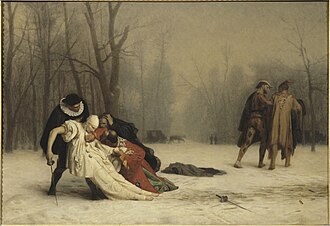 La salida del baile de máscaras - Jean-Léon Gérôme (1857)
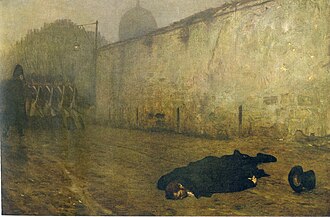 La Ejecución del mariscal Ney - Jean-Léon Gérôme (1868)
Obras de artistas relacionados
 Almuerzo sobre la hierba - Édouard Manet (1863)
 Olympia - Édouard Manet (1863)
 El origen del mundo - Gustave Courbet (1866)
 Entierro en Ornans - Gustave Courbet (2020)
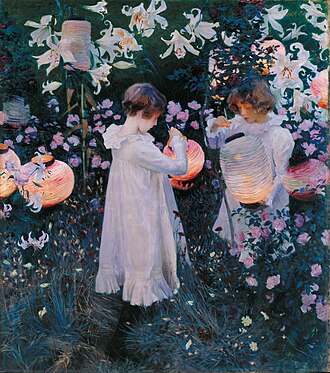 Clavel, lirio, lirio, rosa - John Singer Sargent (1885-1886)
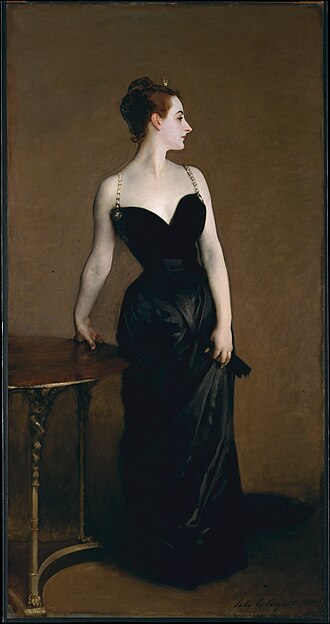 Retrato de Madame X - John Singer Sargent (1884)
 La Libertad guiando al pueblo - Eugène Delacroix (1830)
 La muerte de Sardanápalo - Eugène Delacroix (1827)
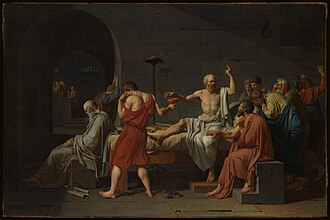 La muerte de Sócrates - Jacques-Louis David (1787)
 Juramento de los Horacios - Jacques-Louis David (1784)
 Las hermanas Waldgrave - Joshua Reynolds (1780)
 Capitán George K. H. Coussmaker - Joshua Reynolds (1782)