The Love Letter
Johannes Vermeer · 1668
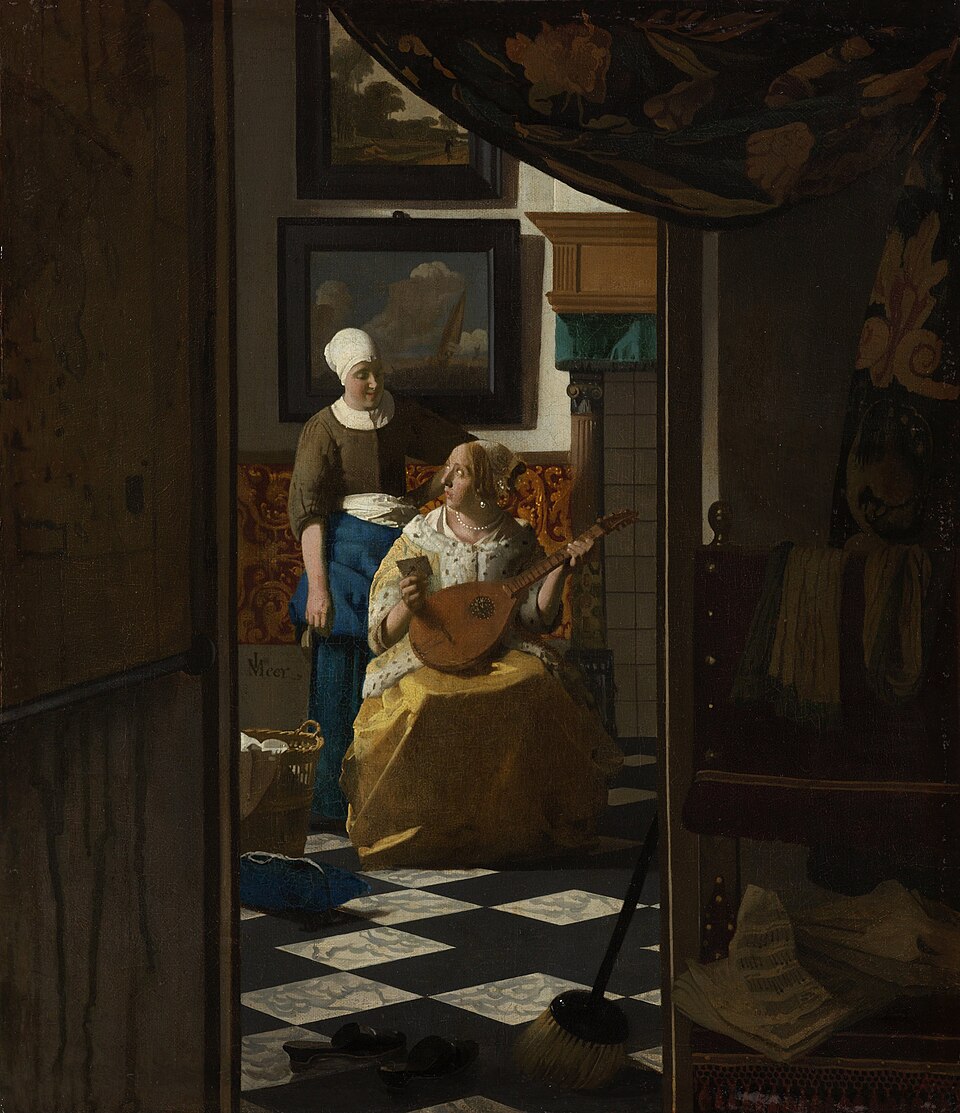
Through a half-open doorway we glimpse a lady with a cittern looking up at her maid, a letter in her hand. Vermeer turned a private moment into a whole story of love, and in 1971 a thief cut it from its frame with a potato peeler.
The story behind the painting
The Love Letter is a genre painting of the 1660s; Wikidata dates it to 1668. It shows a servant commenting to her mistress on a letter the lady holds, and it hangs in the Rijksmuseum in Amsterdam. The painting may have had a royal past. In the second half of the seventeenth century it probably entered the collection of John III Sobieski, King of the Polish Lithuanian Commonwealth: the 1696 inventory of the Wilanów Palace in Warsaw lists among its Dutch pictures a painting of a lady playing a lute in a golden robe, while a girl gives her a letter, in a black frame.
What to look for
Notice how we see the scene: from a darker room, past a tied back curtain, as if intruding on something intensely private. The painted curtain also plays with the Dutch habit of hanging small curtains over paintings. The diagonals of the chequered floor pull us into depth. The lady holds a cittern, a lute like instrument, and wears gold; gold appears also on the fireplace and many objects, answered by blue on the floor, the maid's dress and the frames. Look at the floor: a pair of slippers at the very bottom, and a broom pushed to the side. On the wall hang a stormy seascape and, above it, a landscape with a traveller on a sandy road.
Meaning and intent
Every object tells the story. The cittern was a symbol of love, often carnal love, and the removed slipper was another sign of desire. The broom, standing for domestic duty, set aside suggests that household concerns have been forgotten. The stormy sea is a metaphor for tempestuous love, and the traveller above it may refer to the absent man who wrote the letter. The gilded ornaments and the Ionic columns of the fireplace speak of a wealthy household. The maid's knowing look and the lady's anxious glance make the letter's contents easy to imagine. It remains the only one of Vermeer's works to include a seascape.
Legacy
On 23 September 1971 the painting was stolen from the Centre for Fine Arts in Brussels, where it was on loan. The 21 year old thief, Mario Pierre Roymans, hid in an electrical closet until closing; when the frame would not fit through a window he cut the canvas out with a potato peeler. Calling himself Tijl van Limburg, he showed it to a reporter by car headlights and demanded money for famine stricken Bengali refugees, moved, it is thought, by the 1971 Bangladesh genocide. He was arrested on the day of his deadline. The painting returned to the Rijksmuseum on 8 October, badly damaged, and its restoration took almost a year.
Did you know?
- Dated 1668 by Wikidata, in the Rijksmuseum, Amsterdam.
- Probably listed in the 1696 inventory of Wilanów Palace, Warsaw.
- Vermeer's only painting to include a seascape.
- Stolen in Brussels in 1971 and restored over almost a year.
About the artist
Johannes Vermeer (1632-1675)
woman · genre art · Dutch Golden Age painting · Rijksmuseum · musician · map of Holland and West Friesland
More by Johannes Vermeer
 Girl with a Pearl Earring - Johannes Vermeer (1665)
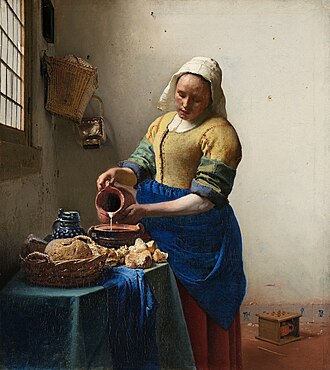 The Milkmaid - Johannes Vermeer (c. 1658)
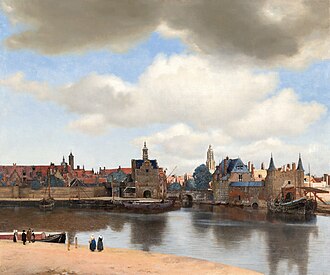 View of Delft - Johannes Vermeer (1660s)
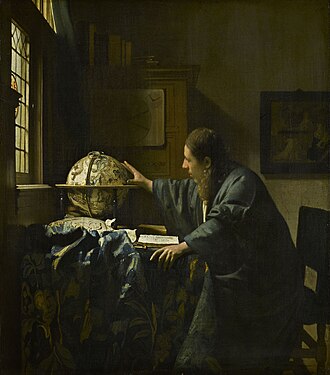 The Astronomer - Johannes Vermeer (1664)
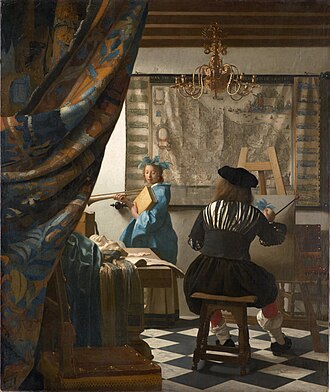 The Art of Painting - Johannes Vermeer (1660s)
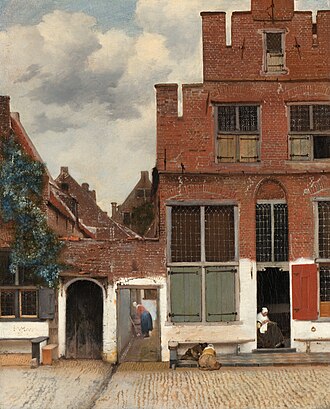 The Little Street - Johannes Vermeer (1658)
.jpg) Girl Reading a Letter at an Open Window - Johannes Vermeer (1650s)
Girl Reading a Letter at an Open Window - Johannes Vermeer (1650s)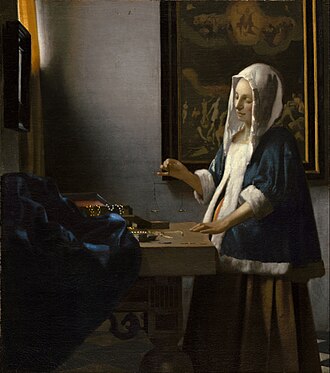 Woman Holding a Balance - Johannes Vermeer (1665)
Paintings by related artists
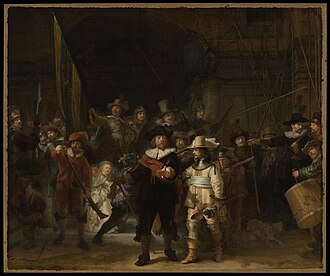 The Night Watch - Rembrandt van Rijn (1642)
 Self-Portrait - Rembrandt van Rijn (1659)