The Just Judges
Jan van Eyck · 1432
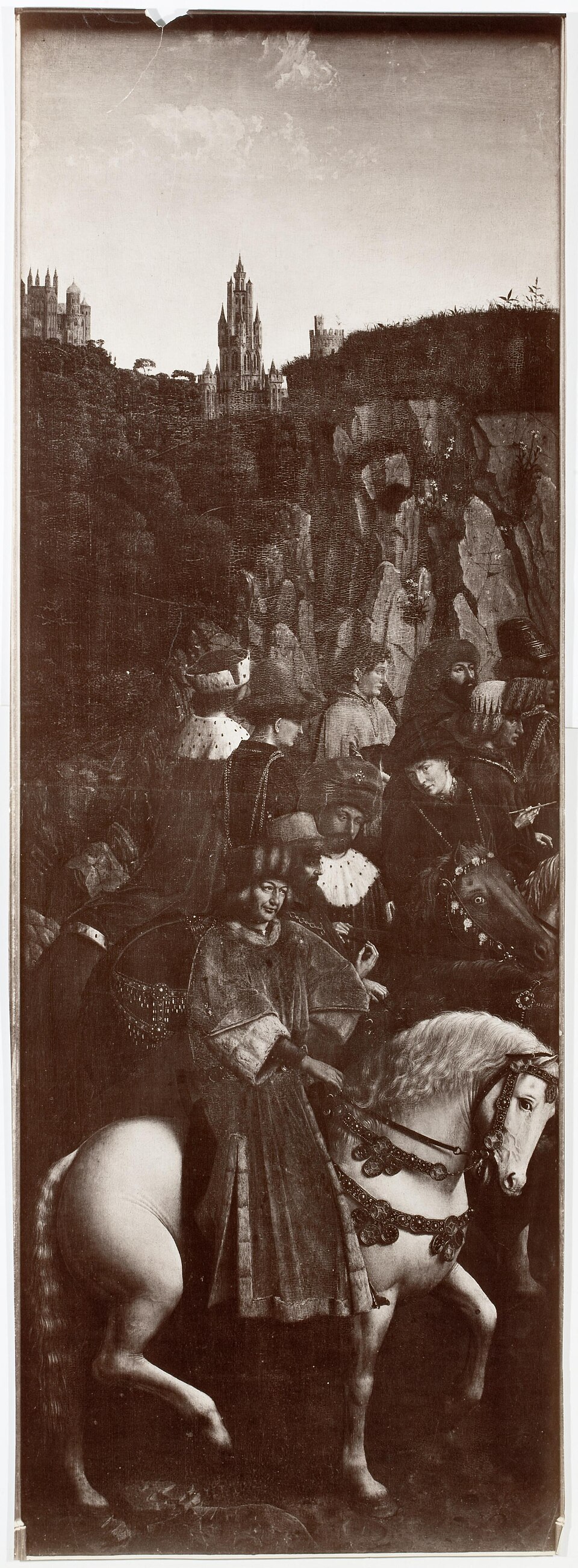
Horsemen ride toward the Mystic Lamb, among them perhaps a duke and the painters themselves. One night in 1934 this panel was cut out of the Ghent Altarpiece, and it has never been seen again.
The story behind the painting
The Just Judges, also called The Righteous Judges, is the lower left panel of the Ghent Altarpiece, painted by Jan van Eyck or his brother Hubert between 1430 and 1432. It stood with the rest of the altarpiece in Saint Bavo Cathedral in Ghent until the night of 10 April 1934, when it was stolen, possibly by Arsene Goedertier. The thief removed it from the frame with apparent care, leaving the other panels unharmed, and left a note in French saying it had been taken from Germany by the Treaty of Versailles. That referred to the altarpiece having been taken to Berlin during the First World War and returned under Article 247 of the treaty.
What to look for
The panel is tall and narrow, 157.1 by 63.5 cm. It shows a group of mounted judges, and it is believed to include portraits of contemporaries such as Philip the Good, and possibly the artists Hubert and Jan van Eyck themselves. The original can no longer be seen. What hangs in Ghent today is a copy made by the Belgian restorer Jef Van der Veken, installed in 1945. He painted it on an old closet shelf about two centuries old and used as his model a mid sixteenth century copy by Michiel Coxie, made for Philip II of Spain. If you look closely at the horsemen in the copy, one has the face of King Leopold III.
Meaning and intent
The panel's meaning today is bound up with its absence. Within weeks the Bishop of Ghent received a ransom demand for one million Belgian francs, and the Belgian minister refused. Negotiations followed, with at least eleven letters through October, the government arguing that a national treasure belonged to the nation more than to the diocese. As a sign of good faith the thief returned one of the panel's two parts, a grisaille of Saint John the Baptist. On 25 November 1934 Goedertier told his lawyer on his deathbed that he alone knew where the panel was and would take the secret to his grave. The lawyer found copies of the ransom notes, and waited a month before telling the police.
Legacy
Many believe Goedertier could not have acted alone and suspect help from inside, perhaps from one of the cathedral's four custodians. Several people have claimed to know where the panel is, and searches have included an X-ray of the whole cathedral to a depth of ten metres. It has never been recovered and is now believed destroyed, yet to this day a Ghent police detective remains assigned to the case. Van der Veken added a layer of wax so his copy would match the patina of the other panels, and he signalled that it was a copy through Leopold III's face. Leopold was king both when the panel was stolen and when the copy was made.
Did you know?
- Lower left panel of the Ghent Altarpiece, painted 1430 to 1432.
- Stolen on the night of 10 April 1934 and never recovered.
- Replaced in 1945 by a copy by Jef Van der Veken.
- A Ghent police detective is still assigned to the case.
About the artist
Jan van Eyck (1390-1441)
religious art · Early Netherlandish painting · horse · city · judge
More by Jan van Eyck
 Arnolfini Portrait - Jan van Eyck (1434)
 Ghent Altarpiece - Jan van Eyck (1432)
 Madonna of Chancellor Rolin - Jan van Eyck
 The Madonna in the Church - Jan van Eyck (1440)
 Madonna with Canon Joris van der Paele - Jan van Eyck (1436)
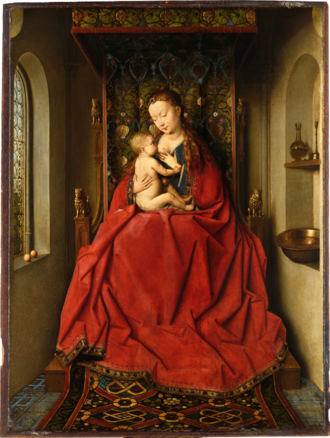 Lucca Madonna - Jan van Eyck (1437)
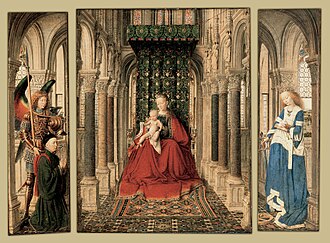 Dresden Triptych - Jan van Eyck (1437)
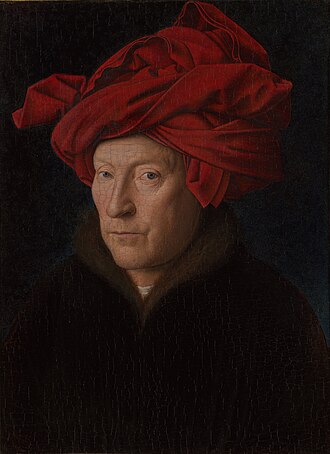 Portrait of a Man - Jan van Eyck (1433)
Paintings by related artists
 The Descent from the Cross - Rogier van der Weyden (1440s)
 Portrait of a Lady - Rogier van der Weyden (1460)
 Annunciation - Hans Memling (1480s)
 Scenes from the Passion of Christ - Hans Memling (1470)
 The Garden of Earthly Delights - Hieronymus Bosch
 Ship of Fools - Hieronymus Bosch (1500s)
 The Hunters in the Snow - Pieter Bruegel the Elder (1565)
 Netherlandish Proverbs - Pieter Bruegel the Elder (1551)