The Abduction of Europa
Rembrandt van Rijn · 1632
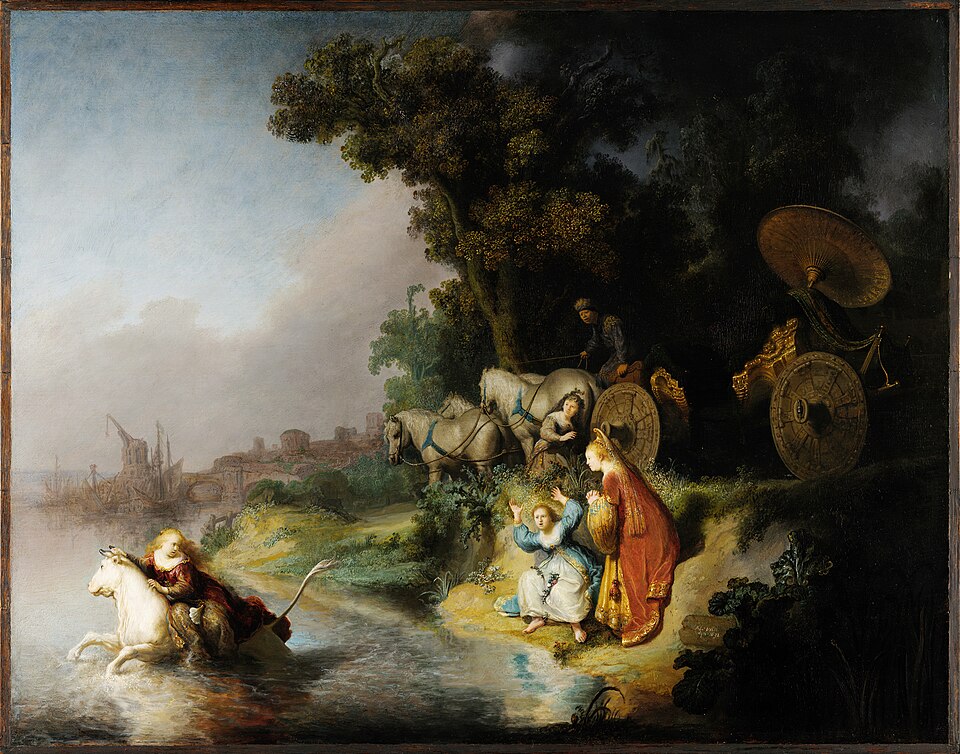
A princess clings to a white bull as it carries her into the sea, gold threads glinting on her dress, while her friends stare in horror from the shore. Behind them, a busy harbour hints at a second story about ships and trade.
The story behind the painting
In 1632 Rembrandt painted The Abduction of Europa, one of his rare mythological subjects, in oil on a single oak panel. The work was commissioned by Jacques Specx of the Dutch East India Company, who had established a trading centre in Japan in 1609, served as governor of Batavia, and returned to Holland in 1633. The painting later sat in Specx's collection beside five portraits by Rembrandt. The story comes from Ovid's Metamorphoses, which tells how Zeus, in the form of a bull, carried off Europa, a princess of Tyre. Rembrandt had developed an interest in the classical world early, in Amsterdam, a growing business centre where he found great success. Of some three hundred and sixty completed works, only a handful show myths.
What to look for
Light pours in from the left onto the moment of abduction. Find Europa on the bull in the water: her dress is woven with golden threads, and even her jewellery catches the light. Below her, look for the clear reflection of the figures on the water's surface. On the idyllic shore her companions remain behind, their faces showing horror. In the shadows to the right, notice an African driver and a coach, details that evoke the exotic Phoenician coast, and the glitter of gold on the carriages and dresses. In the distance is a port, with a crane. Dark trees stand against light blue and pink skies. Unlike older versions, the figures wear contemporary Dutch dress.
Meaning and intent
Art historians such as Mariët Westermann and Gary Schwartz read the painting as a reference to Specx's career. The Flemish theorist Karel van Mander, in his Schilder-boeck of 1618, had suggested that the bull was really the name of a ship that bore Europa from Tyre in the East to the western continent that took her name. He also quoted an ancient source calling her "the human soul, borne by the body through the troubled sea of this world." Just as Specx moved the treasures of Asia to Europe by ship, Europa is carried from her Eastern home toward Europe. The harbour crane, a tool unknown in Ovid's time, ties Tyre to the Dutch ports of Rembrandt's day.
Legacy
The painting embodies the international High Baroque style, with its dramatic light and climactic action, while its shore and water reflections show the growing interest in naturalism; genre, landscape and myth meet in a single work. It also stands in dialogue with Titian's Europa of 1560 to 1562, painted for Philip II of Spain nearly seventy years earlier. Titian's version is more violent and keeps its figures in ancient dress; Rembrandt's is less grave, set in a realistic world without cherubs, its people dressed like his own viewers. Rembrandt, often called the "Titian of the north," never travelled to Italy. Today the panel belongs to the J. Paul Getty Museum.
Did you know?
- Painted in 1632, oil on a single oak panel.
- Commissioned by Jacques Specx of the Dutch East India Company.
- Based on Ovid's Metamorphoses, Book II.
- Now in the J. Paul Getty Museum; 64.6 × 78.7 cm.
About the artist
Rembrandt van Rijn (1606-1669)
Dutch Golden Age painting · mythological painting · J. Paul Getty Museum · Zeus
More by Rembrandt van Rijn
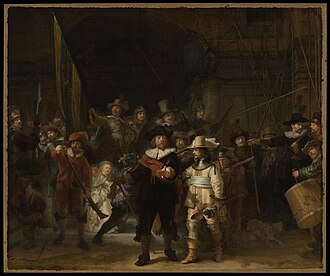 The Night Watch - Rembrandt van Rijn (1642)
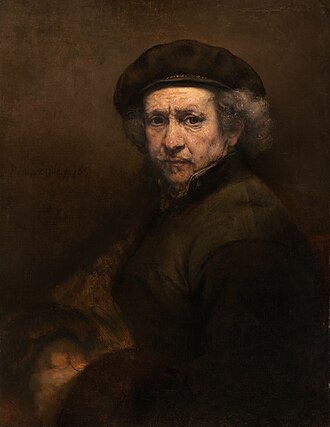 Self-Portrait - Rembrandt van Rijn (1659)
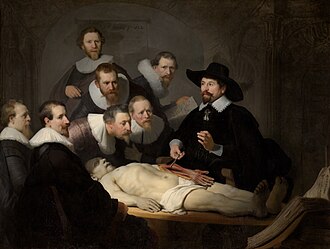 The Anatomy Lesson of Dr. Nicolaes Tulp - Rembrandt van Rijn (1632)
 The Jewish Bride - Rembrandt van Rijn (1660s)
 The Storm on the Sea of Galilee - Rembrandt van Rijn (1633)
 Return of the Prodigal Son - Rembrandt van Rijn (1668)
 Danaë - Rembrandt van Rijn (1636)
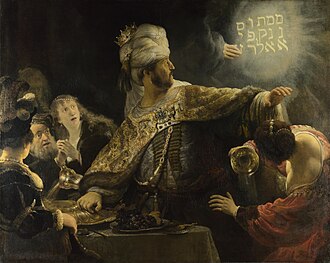 Belshazzar's Feast - Rembrandt van Rijn (1636)
Paintings by related artists
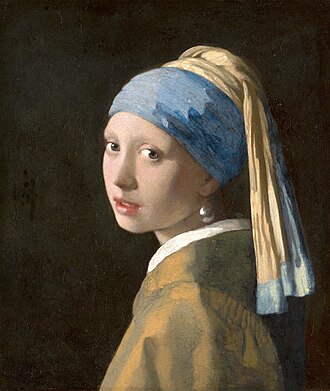 Girl with a Pearl Earring - Johannes Vermeer (1665)
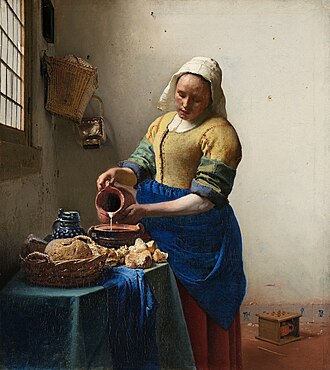 The Milkmaid - Johannes Vermeer (c. 1658)
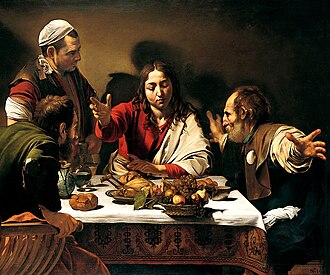 Supper at Emmaus - Caravaggio (1601)
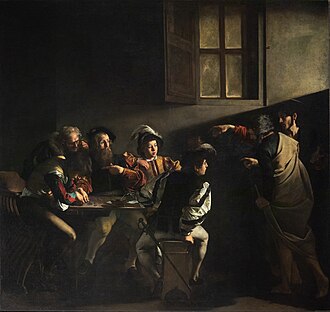 The Calling of Saint Matthew - Caravaggio (1609)
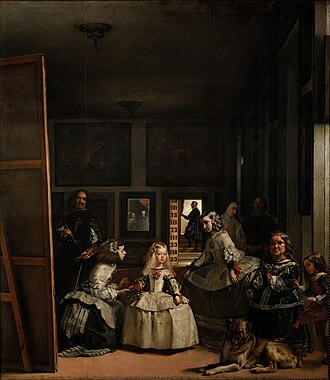 Las Meninas - Diego Velázquez (1656)
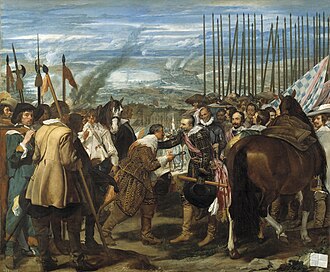 The Surrender of Brea - Diego Velázquez (1635)