Return of the Prodigal Son
Rembrandt van Rijn · 1668
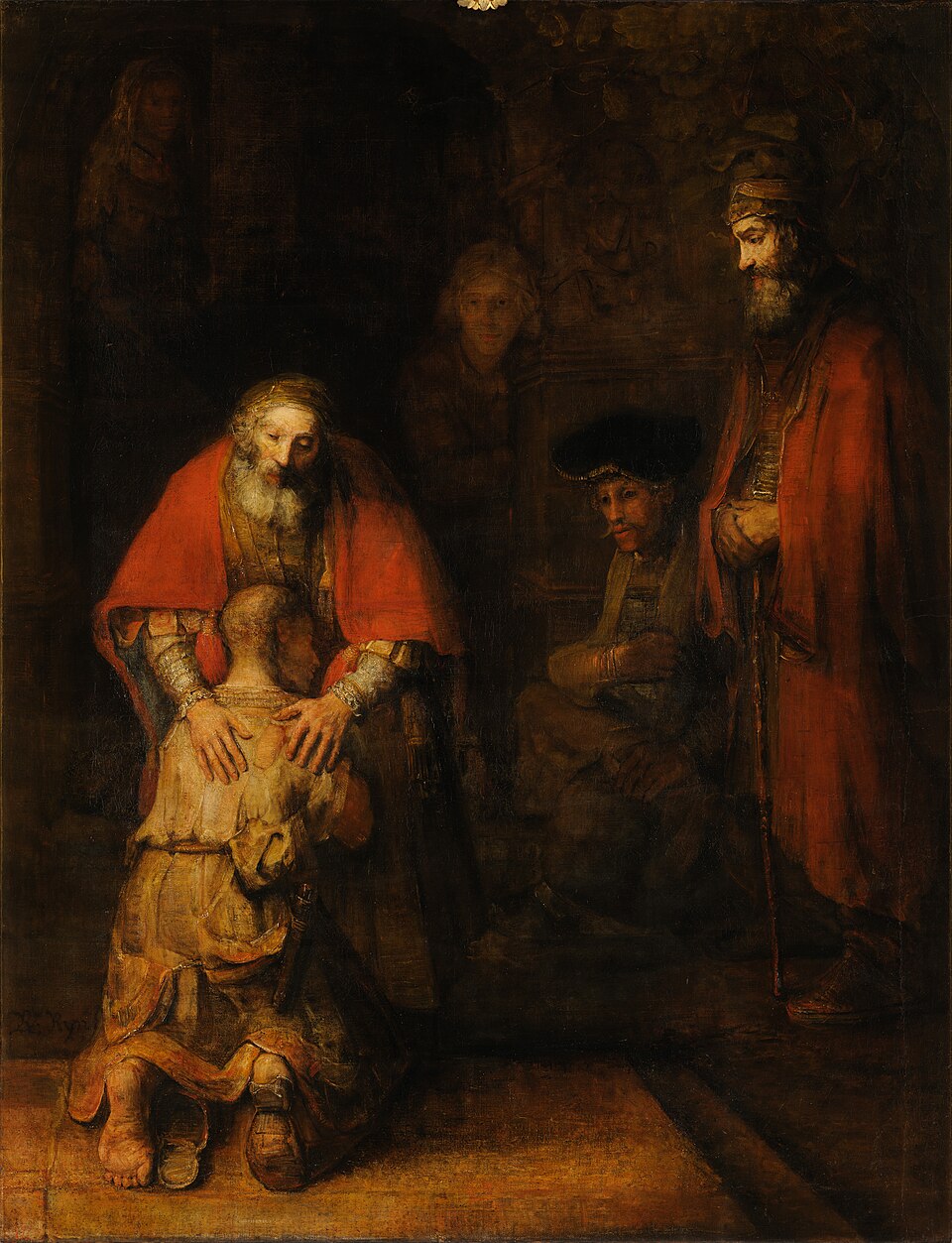
A masterpiece of compassion and forgiveness, Rembrandt's 'Return of the Prodigal Son' continues to move art lovers to this day.
The story behind the painting
Rembrandt van Rijn's 'Return of the Prodigal Son', painted in 1668, is one of his final works, completed just a year before his death in 1669. The painting depicts a pivotal moment from the Biblical parable of the prodigal son, where the wayward son returns home to his forgiving father. Rembrandt was deeply moved by this parable, creating multiple drawings, etchings, and paintings on the theme throughout his career. In his later years, Rembrandt faced personal tragedy and financial hardship, yet his artistic power and spiritual awareness only intensified, as seen in this monumental work.
What to look for
In 'Return of the Prodigal Son', Rembrandt masterfully uses light and shadow to convey the emotional depth of the scene. The father's tender gesture, with one hand on the son's shoulder and the other on his head, is a masterclass in subtle expression. The son, kneeling in repentance, is bathed in a warm, golden light, while the older brother stands to the side, his arms crossed in judgment. The woman at the top left, likely the mother, and the seated man, possibly an advisor or tax collector, add layers of narrative complexity to the painting.
Meaning and intent
Rembrandt's 'Return of the Prodigal Son' is a powerful exploration of forgiveness, compassion, and redemption. The painting embodies the Christian idea of mercy, as the father welcomes his wayward son back with open arms. Art historians have noted that Rembrandt's interpretation of the parable goes beyond the work of other Baroque artists in evoking a sense of religious mood and human sympathy. The painting invites viewers to reflect on their own experiences of sin, forgiveness, and the comfort of homecoming.
Legacy
'Return of the Prodigal Son' is widely regarded as one of Rembrandt's greatest works, and it continues to inspire artists, writers, and theologians to this day. The painting has been a source of fascination for many, including Dutch priest Henri Nouwen, who wrote a book using the parable and Rembrandt's painting as frameworks for spiritual reflection. Housed at the Hermitage Museum in St. Petersburg, the painting remains a timeless masterpiece of Western art, a testament to Rembrandt's enduring legacy.
Did you know?
- Rembrandt van Rijn's 'Return of the Prodigal Son' measures 262 × 205 cm.
- The painting is part of the collection at the Hermitage Museum in St. Petersburg.
- Rembrandt completed the work in 1668, two years before his death in 1669.
- The painting depicts a scene from the Biblical parable of the prodigal son, found in Luke 15:29-32.
Wikipedia · Wikipedia - Rembrandt van Rijn · Wikidata
About the artist
Rembrandt van Rijn (1606-1669)
woman · religious art · man · Hermitage Museum · mother · domestic worker
More by Rembrandt van Rijn
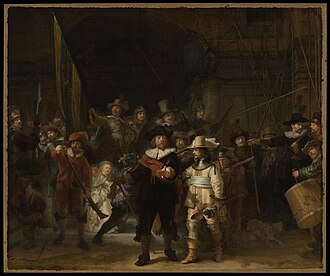 The Night Watch - Rembrandt van Rijn (1642)
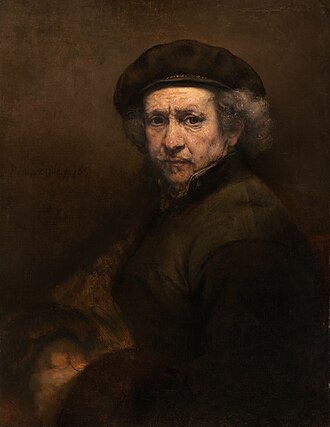 Self-Portrait - Rembrandt van Rijn (1659)
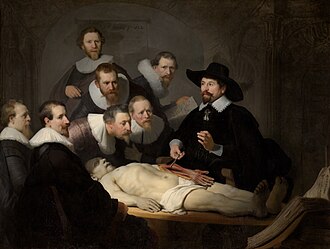 The Anatomy Lesson of Dr. Nicolaes Tulp - Rembrandt van Rijn (1632)
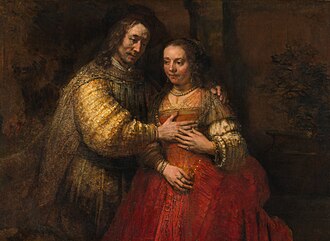 The Jewish Bride - Rembrandt van Rijn (1660s)
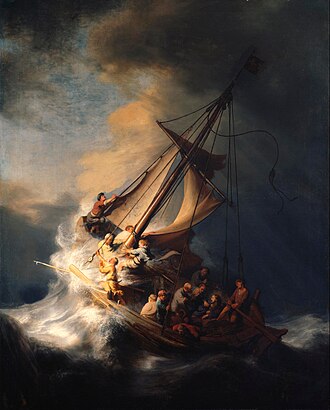 The Storm on the Sea of Galilee - Rembrandt van Rijn (1633)
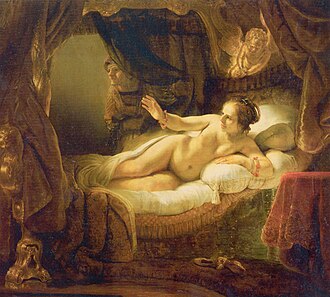 Danaë - Rembrandt van Rijn (1636)
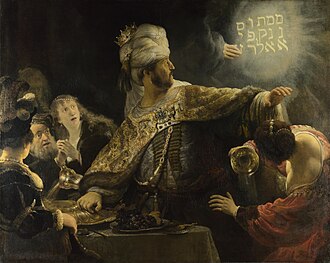 Belshazzar's Feast - Rembrandt van Rijn (1636)
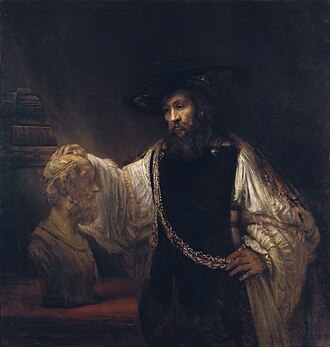 Aristotle with a Bust of Homer - Rembrandt van Rijn (1653)
Paintings by related artists
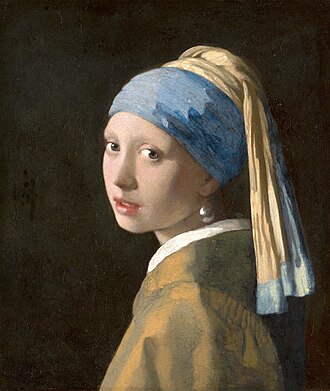 Girl with a Pearl Earring - Johannes Vermeer (1665)
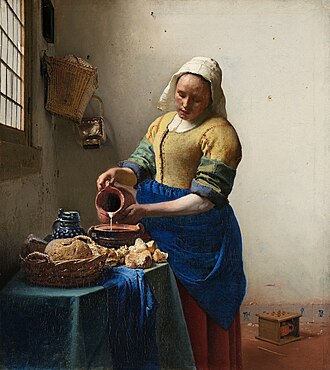 The Milkmaid - Johannes Vermeer (c. 1658)
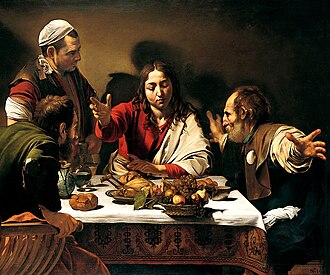 Supper at Emmaus - Caravaggio (1601)
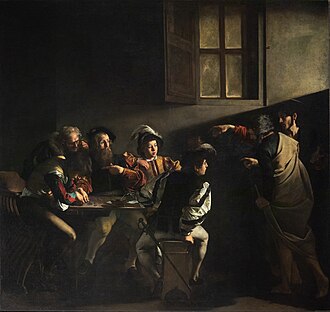 The Calling of Saint Matthew - Caravaggio (1609)
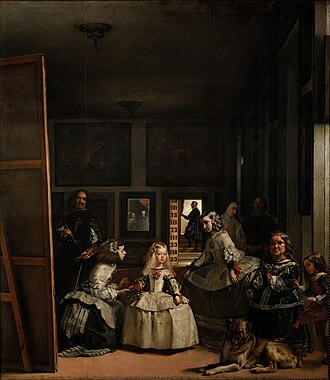 Las Meninas - Diego Velázquez (1656)
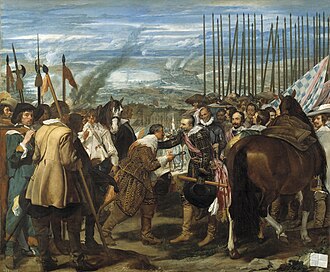 The Surrender of Brea - Diego Velázquez (1635)