Portrait of Cardinal Niccolò Albergati
Jan van Eyck · 1431
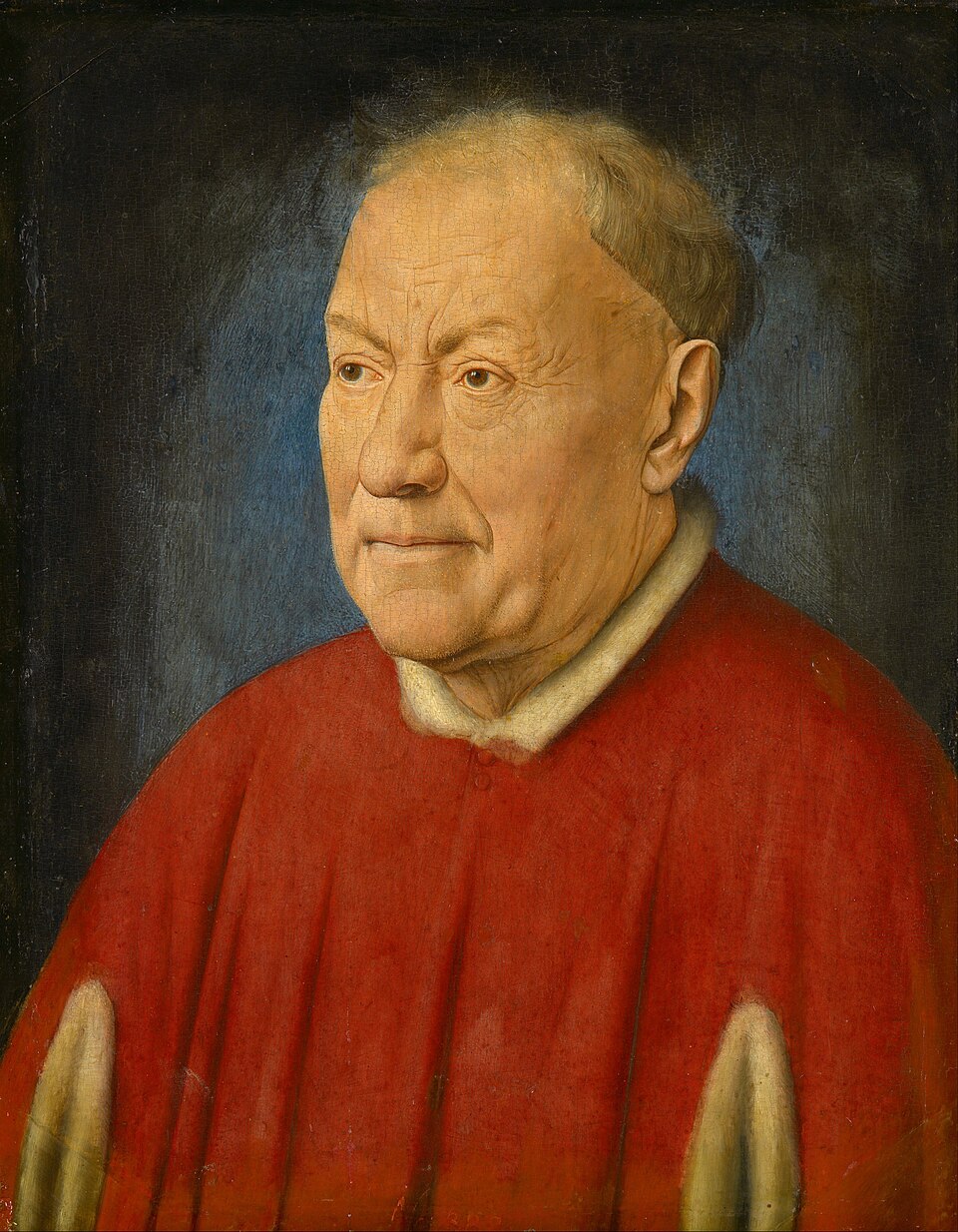
An old churchman in a fur-lined red robe, every line under his eyes recorded. Van Eyck made this portrait around 1431, but scholars still do not agree on who the man is.
The story behind the painting
Tradition identifies the sitter as Niccolo Albergati, a diplomat working under Pope Martin V. According to the account in the source, he met van Eyck during a peace congress in Antwerp, and the painter drew him, adding notes on the colours so that he could make a painted portrait later. That drawing survives in the Staatliche Kunstsammlungen in Dresden. The painting itself dates to around 1431. It is a rare case where we can follow a portrait from a quick study made in the presence of the sitter to the finished panel.
What to look for
The panel is small, about 34 by 27.5 cm. The elderly cleric is visibly ageing, with deep lines below his eyes, and wears the red robe of a cardinal lined with luxurious fur. Wikipedia describes him both as almost full-frontal and as seen in three-quarter view, a pose usual in Flemish painting from the 1430s. A dark background sets him off, and a bright light falls on him. Van Eyck built the image with successive layers of colour thinned with oil, giving deep transparency. Compare it with the drawing: he changed the shoulders, nose, mouth and especially the ear.
Meaning and intent
The painting shows van Eyck's famous close attention to detail. Nothing about the face is softened: the age, the folds of skin and the tired eyes are set down as he saw them. The changes between the drawing and the panel show that this was not mechanical copying but careful rethinking of the face. The dark ground and strong light make the head feel present, as if the man were in front of us, and that sense of a real person is what makes the portrait so striking.
Legacy
The identity of the sitter remains open. Albergati is the traditional name, but some modern scholars suggest that Henry Beaufort is more likely. If so, it would be the earliest realistic portrait of an Englishman. Other scholars maintain that the man is not a cardinal at all. Whoever he was, the portrait and its preparatory drawing remain a precious pair for understanding how van Eyck worked. The painting is now in the Kunsthistorisches Museum in Vienna, and the drawing in Dresden.
Did you know?
- Painted by Jan van Eyck around 1431.
- A preparatory drawing with colour notes survives in Dresden.
- The sitter may be Albergati, Henry Beaufort or not a cardinal at all.
- Held in the Kunsthistorisches Museum, Vienna.
About the artist
Jan van Eyck (1390-1441)
portrait · Early Netherlandish painting · Kunsthistorisches Museum
More by Jan van Eyck
 Arnolfini Portrait - Jan van Eyck (1434)
 Ghent Altarpiece - Jan van Eyck (1432)
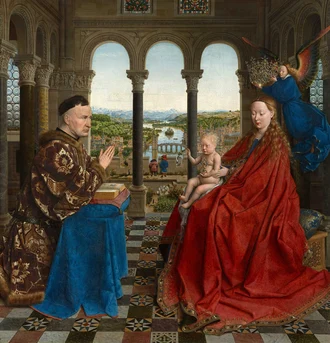 Madonna of Chancellor Rolin - Jan van Eyck
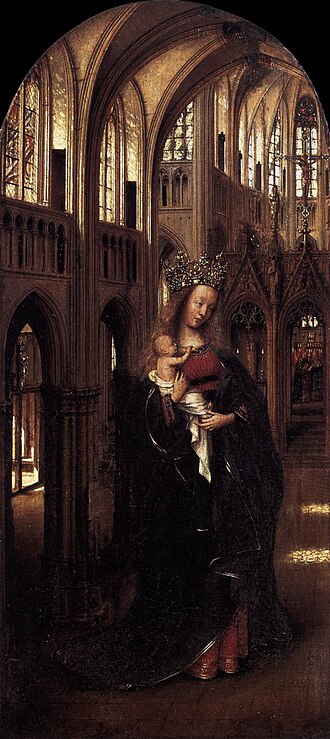 The Madonna in the Church - Jan van Eyck (1440)
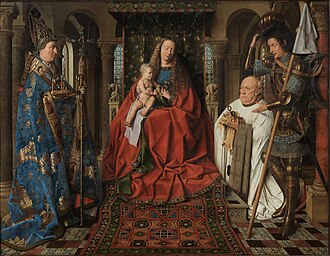 Madonna with Canon Joris van der Paele - Jan van Eyck (1436)
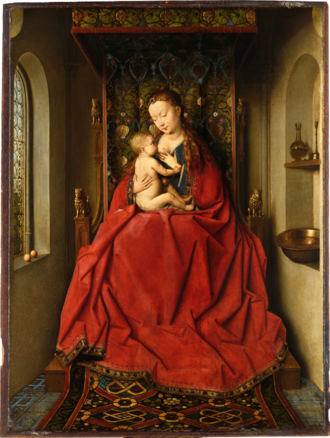 Lucca Madonna - Jan van Eyck (1437)
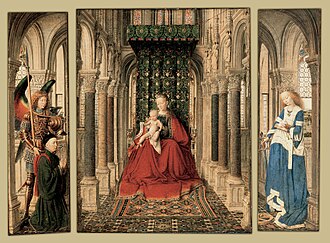 Dresden Triptych - Jan van Eyck (1437)
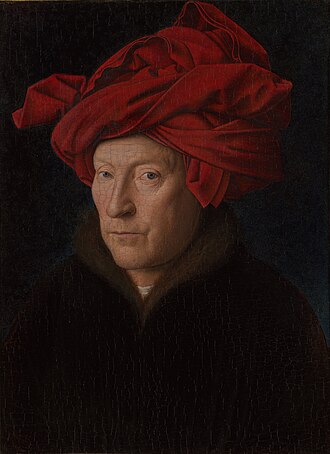 Portrait of a Man - Jan van Eyck (1433)
Paintings by related artists
 The Descent from the Cross - Rogier van der Weyden (1440s)
 Portrait of a Lady - Rogier van der Weyden (1460)
 Annunciation - Hans Memling (1480s)
 Scenes from the Passion of Christ - Hans Memling (1470)
 The Garden of Earthly Delights - Hieronymus Bosch
 Ship of Fools - Hieronymus Bosch (1500s)
 The Hunters in the Snow - Pieter Bruegel the Elder (1565)
 Netherlandish Proverbs - Pieter Bruegel the Elder (1551)