Man in a gorget and a plumed cap
Rembrandt van Rijn · 1626
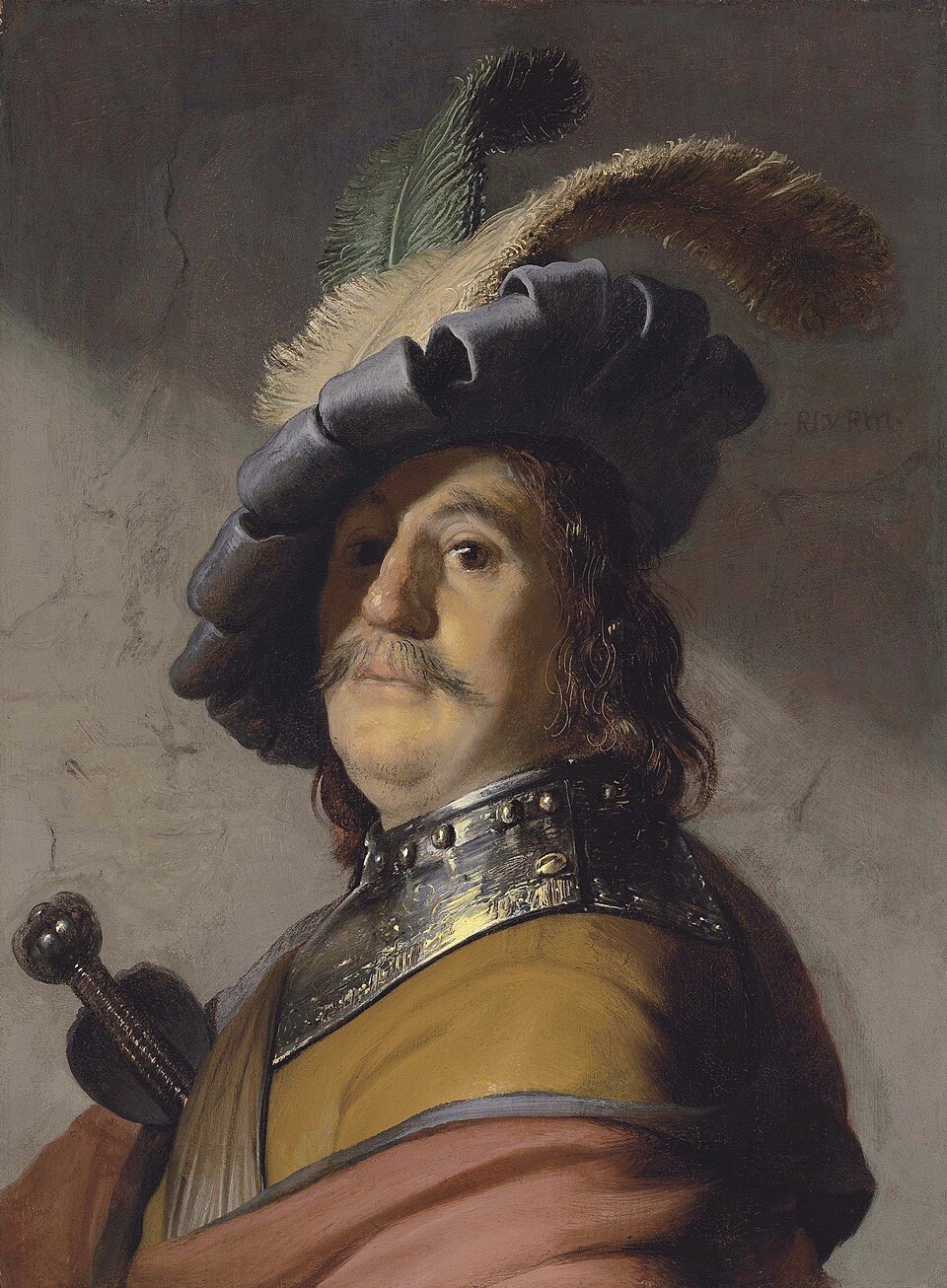
A young man glances over his shoulder, steel at his throat and a feather in his cap, caught in a sharp fall of light. It is believed to be the earliest surviving single-figure painting by Rembrandt.
The story behind the painting
Rembrandt painted this small oil on panel around 1626 to 1627, when he was in his early twenties and working in Leiden. Wikidata gives 1626. X-ray analysis shows that he painted it over an earlier work showing the head of an old man. It is believed to be his earliest extant painting of a single figure. That makes this small panel a rare look at the very start of his career, when he was still in his early twenties.
What to look for
The man looks back over his left shoulder, a pose typical of Rembrandt. He wears a gorget, a piece of armour for the throat, and a cap with a feather plume. The light falls in an exaggerated way, creating bright highlights and deep shadows, perhaps inspired by Caravaggio. The strong contrast of light and dark gives the turning head a sense of drama and movement. The panel measures about 39.8 by 29.4 cm.
Meaning and intent
The sitter's identity is unknown. The picture is thought to be a character study, a tronie, of a historical figure in costume fashionable in the fifteenth century, possibly inspired by a woodcut of a lansquenet, a mercenary foot soldier. It is less a portrait than an exercise in expression, light and costume. The pose, looking back over the left shoulder, is one that recurs again and again throughout Rembrandt's work.
Legacy
Its early history is uncertain; it may have belonged to Leo Nardus. Heinrich Thyssen-Bornemisza acquired it around 1929 and showed it at Schloss Rohoncz and later Villa Favorita in Lugano. It then passed through several private collections and is held in a private collection today. A copy of the painting was sold at Christie's in 1952. The original itself went through Christie's in London more than once, in 1974 and again in 2012.
Did you know?
- Painted in Leiden around 1626-1627.
- Believed to be Rembrandt's earliest surviving single-figure painting.
- Painted over an earlier head of an old man.
- A tronie, a character study in historical costume.
About the artist
Rembrandt van Rijn (1606-1669)
genre art · Thyssen-Bornemisza family Collection
More by Rembrandt van Rijn
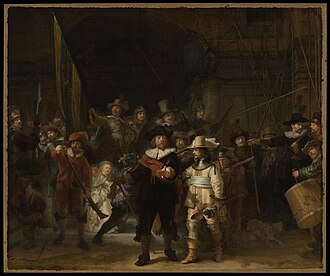 The Night Watch - Rembrandt van Rijn (1642)
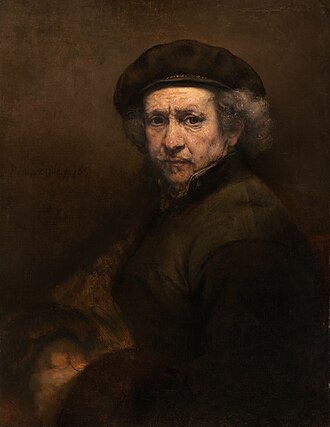 Self-Portrait - Rembrandt van Rijn (1659)
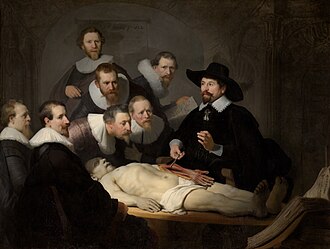 The Anatomy Lesson of Dr. Nicolaes Tulp - Rembrandt van Rijn (1632)
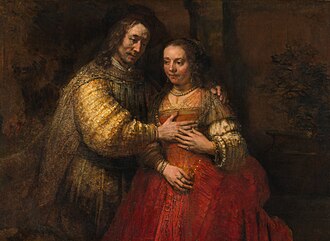 The Jewish Bride - Rembrandt van Rijn (1660s)
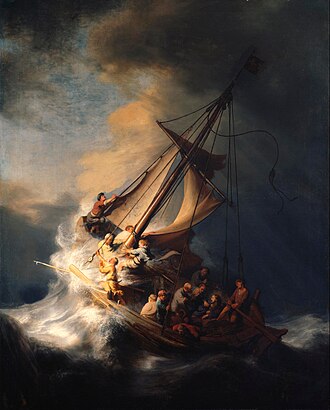 The Storm on the Sea of Galilee - Rembrandt van Rijn (1633)
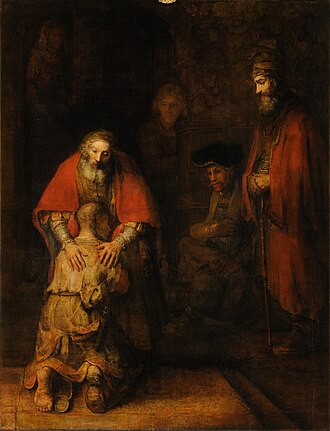 Return of the Prodigal Son - Rembrandt van Rijn (1668)
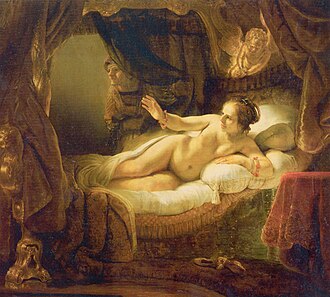 Danaë - Rembrandt van Rijn (1636)
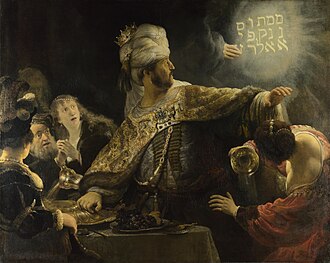 Belshazzar's Feast - Rembrandt van Rijn (1636)
Paintings by related artists
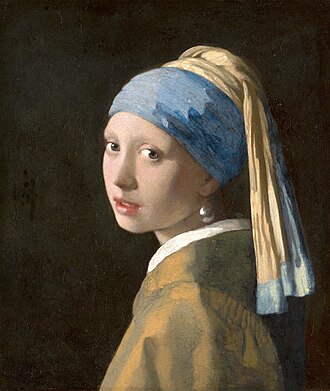 Girl with a Pearl Earring - Johannes Vermeer (1665)
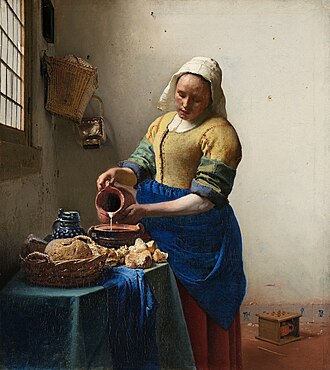 The Milkmaid - Johannes Vermeer (c. 1658)