Durán Madonna
Rogier van der Weyden · 1430s
%20-%20Prado%20P02722.jpg)
A Virgin in a sweeping red robe bends over her child, who restlessly turns the pages of a book backwards. Rogier van der Weyden made the pair look like painted statues come to life.
The story behind the painting
Rogier van der Weyden completed this oil on oak panel sometime between 1435 and 1438. It derives from Jan van Eyck's Ince Hall Madonna and was much imitated afterwards. It is also known as the Madonna in Red, the Virgin and Child in a Niche or the Madonna Enthroned. The painting was taken to Spain sometime in the 16th century, where it was often copied. Pedro Fernández-Durán acquired it in 1899 at the Palacio de Boadilla in Madrid and gave it to the Museo del Prado in 1930, which is why it carries his name.
What to look for
Mary wears a long red hooded robe lined with gold-coloured thread and a white headdress. Her robe swirls through the space, hides her throne and falls over the support at her feet. The Child, in a white shirt, sits on her lap and crumples the pages of a book on her knee. The book sits at the exact centre of the panel. Above, an angel in dark grey holds a pearl-studded crown. A Gothic niche frames them, its arches echoing the curve of Mary's body, and a projecting plinth makes the figures look like a relief. The black background was probably overpainted for an 18th century seller.
Meaning and intent
For the Prado, the book alludes to the Holy Scriptures announcing Christ's redemptive mission. Alfred Acres notes that the Child, older and less soft than usual, leafs backwards toward the beginning, and suggests he is turning back to the Fall of Man in Genesis, linking the scene to redemption. Lorne Campbell sees the influence of Robert Campin's Frankfurt Virgin in its ideal of beauty and long drapery. Shirley Neilsen Blum writes that Rogier defies logic by making painting and sculpture seem present at once, so that divinity is stressed because it transcends the limits of any medium.
Legacy
The attribution to van der Weyden is not doubted, thanks to close similarities with his Descent from the Cross, the Miraflores Altarpiece and the head of the Madonna in his Froimont Diptych. X-ray research found no lost detail under the black overpaint. Once in Spain, the painting was frequently copied, and today it hangs in the Prado. Its mix of tenderness, restless movement and illusion still invites viewers to wonder whether they are looking at a painting or at living stone.
Did you know?
- Oil on oak panel, between 1435 and 1438.
- Derives from Jan van Eyck's Ince Hall Madonna.
- Given to the Prado by Pedro Fernández-Durán in 1930.
- The black background is a later overpaint.
About the artist
Rogier van der Weyden (1390s-1464)
religious art · Mary · Museo del Prado · Christ Child · Jesus Christ · Early Netherlandish painting · book
More by Rogier van der Weyden
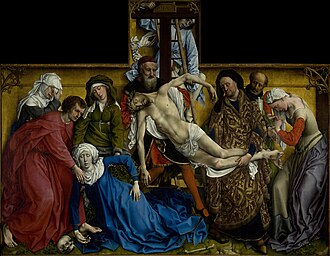 The Descent from the Cross - Rogier van der Weyden (1440s)
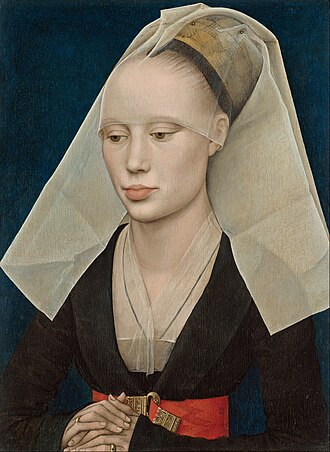 Portrait of a Lady - Rogier van der Weyden (1460)
.jpg) The Last Judgment - Rogier van der Weyden (1443)
The Last Judgment - Rogier van der Weyden (1443)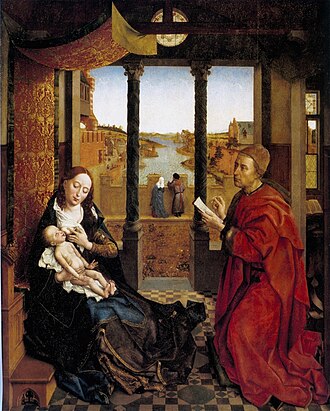 Saint Luke Drawing the Virgin - Rogier van der Weyden (1490)
 Columba Triptych - Rogier van der Weyden (1450s)
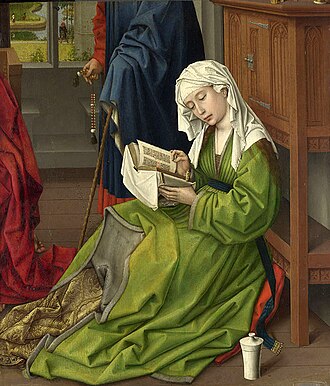 The Magdalen Reading - Rogier van der Weyden (1435)
 Braque Triptych - Rogier van der Weyden (1452)
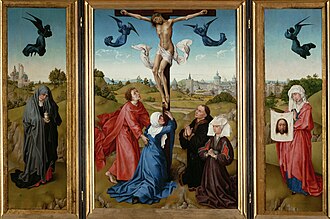 Crucifixion Triptych - Rogier van der Weyden (1440s)
Paintings by related artists
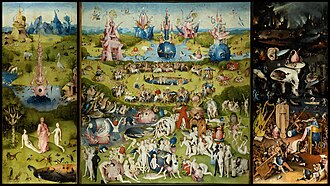 The Garden of Earthly Delights - Hieronymus Bosch
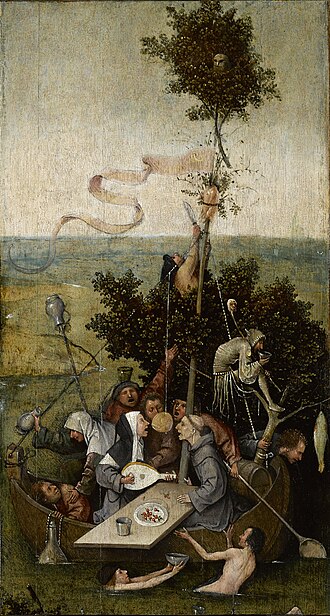 Ship of Fools - Hieronymus Bosch (1500s)
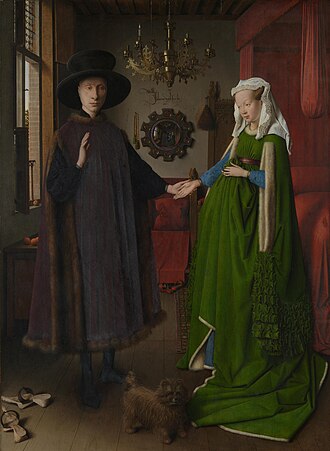 Arnolfini Portrait - Jan van Eyck (1434)
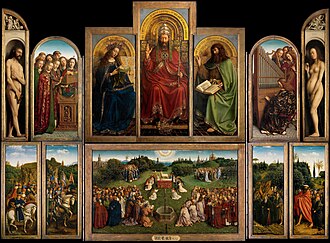 Ghent Altarpiece - Jan van Eyck (1432)
%20-%20Google%20Art%20Project.jpg) The Hunters in the Snow - Pieter Bruegel the Elder (1565)
The Hunters in the Snow - Pieter Bruegel the Elder (1565)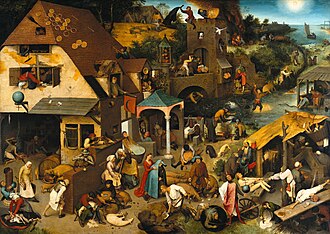 Netherlandish Proverbs - Pieter Bruegel the Elder (1551)