A Fight at the Venta Nueva
Francisco Goya · 1777
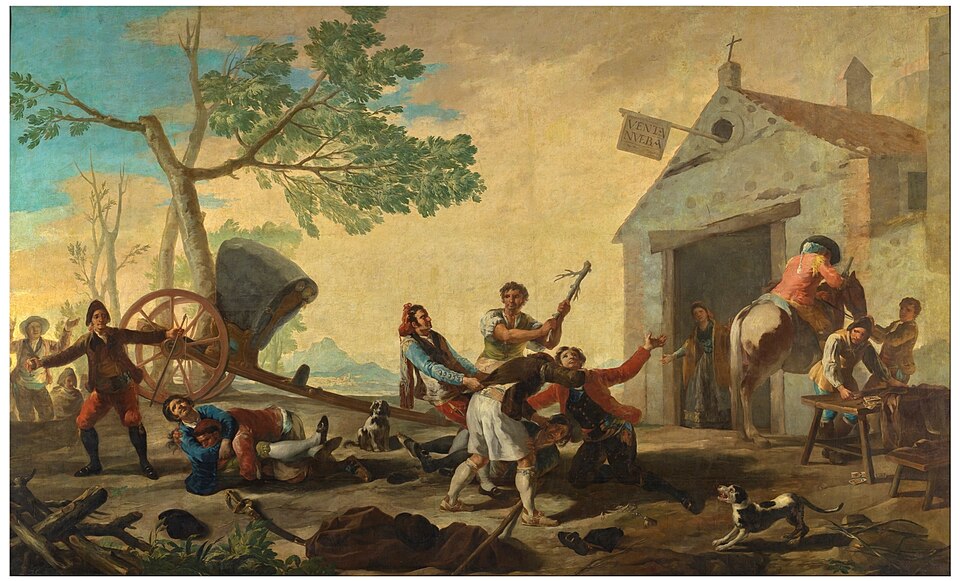
Fists fly, one man bites another, and a card table stands abandoned behind them. The young Goya painted this roadside brawl in 1777 as a design for a royal tapestry, and then the canvas vanished for almost a century.
The story behind the painting
In 1777 Francisco Goya painted this scene as part of his second series of tapestry cartoons, full-size designs meant to be woven at the Royal Tapestry Factory. The whole series was destined for the dining room of the Prince of Asturias, the future Charles IV, and his wife Maria Luisa of Parma, at the Palace of El Pardo. The canvas was delivered to the factory on 3 March 1777. Its companions included The Picnic on the Banks of the Manzanares, The Parasol, The Kite and The Card Players.
What to look for
The setting is a place near Madrid then called Ventas del Espiritu Santo, where merchants like these stopped on the road. The fight fills the foreground, while the card table that seems to have started it sits further back. Goya said the brawlers stood for different provinces: the one throwing punches would be from Murcia, while another bites his opponent. In the distance an armed policeman arrives, and behind everything rises the Sierra de Guadarrama, though its proportions are not true. Animals crowd the scene, the colours are lively and the brushstrokes quick.
Meaning and intent
Some viewers have read the many animals as a moral lesson about the fight. The painting is also a record of country life in eighteenth-century Spain, people in the clothes of majos caught in an ordinary, messy moment. Goya may have drawn on Flemish and Dutch painting and on Italian classicism, and some details recall Roman statues. Yet he gave his figures poses that are far from academic. He seems to have been searching for a style of his own while still following the rules laid down by Mengs, who oversaw the tapestry designs.
Legacy
After its delivery the canvas was considered lost until 1869, when Gregorio Cruzada Villaamil found it in the basement of the Royal Palace of Madrid. It passed to the Museo del Prado under orders of January and February 1870 and first appeared in the museum's catalogue in 1876. Today it hangs in room 85 of the Prado, a large canvas of 275 by 414 cm. A sketch for a related scene, The Fight at the Mesón del Gallo, was acquired by the Prado in 2002, and the two compositions differ only a little.
Did you know?
- Painted in 1777 as a tapestry cartoon for the Palace of El Pardo.
- Delivered to the Royal Tapestry Factory on 3 March 1777.
- Rediscovered in 1869 in the basement of the Royal Palace of Madrid.
- Now in the Museo del Prado, room 85.
About the artist
Francisco Goya (1746-1828)
Museo del Prado · carriage · playing card
More by Francisco Goya
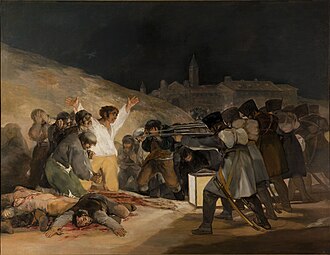 The Third of May 1808 - Francisco Goya (1814)
.jpg) La Maja nue - Francisco Goya (1800)
La Maja nue - Francisco Goya (1800).jpg) Saturn Devouring His Son - Francisco Goya (1819)
Saturn Devouring His Son - Francisco Goya (1819)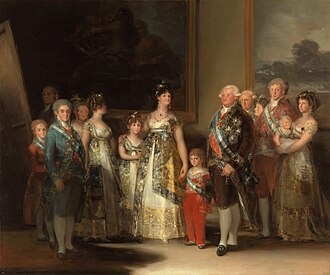 Charles IV of Spain and His Family - Francisco Goya (1800)
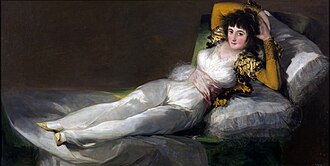 The Clothed Maja - Francisco Goya (1800)
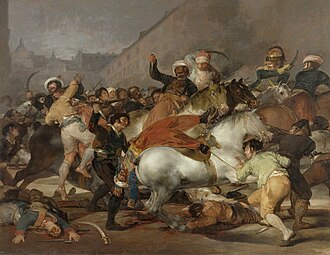 The Second of May 1808 - Francisco Goya (1814)
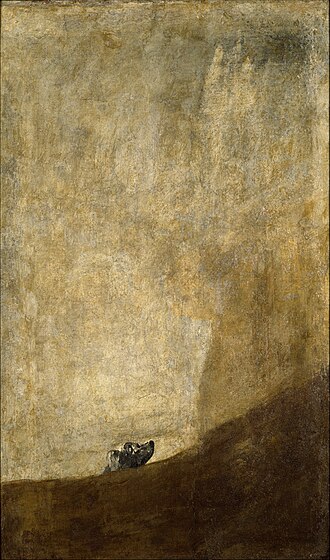 The Dog - Francisco Goya (1819)
 Witches' Sabbath - Francisco Goya (1820s)
Paintings by related artists
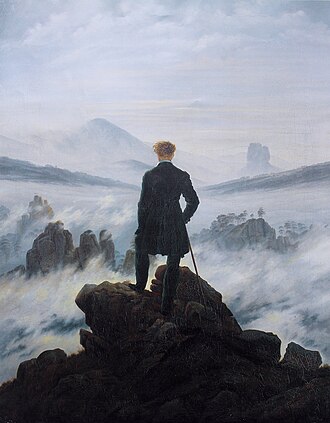 Wanderer above the Sea of Fog - Caspar David Friedrich (c. 1818)
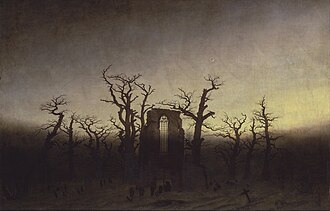 The Abbey in the Oakwood - Caspar David Friedrich (1800s)
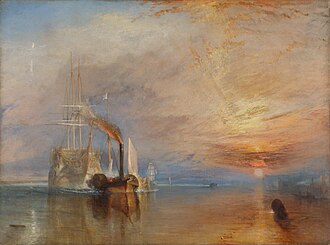 The Fighting Temeraire - J. M. W. Turner (1839)
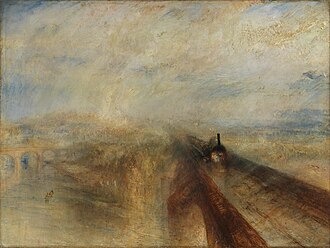 Rain, Steam and Speed - The Great Western Railway - J. M. W. Turner (1844)
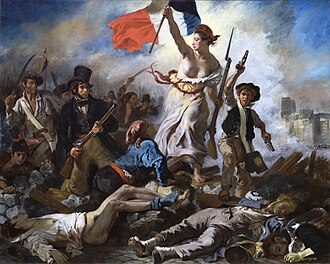 Liberty Leading the People - Eugène Delacroix (1830)
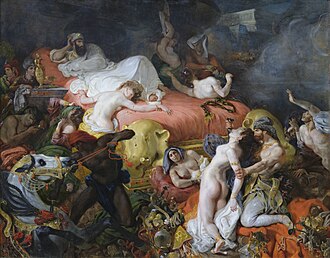 Death of Sardanapalus - Eugène Delacroix (1827)