Die vier Flüsse des Paradieses
Peter Paul Rubens · 1615
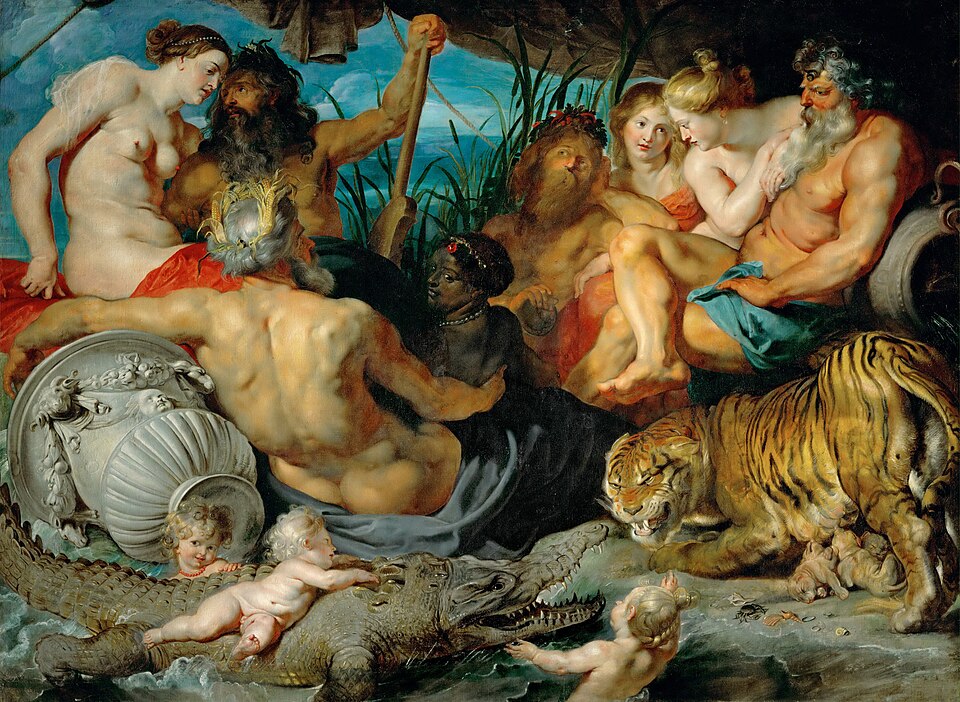
Four women and four river gods gather at the water's edge while a tigress guards her cubs from a crocodile. Rubens painted this lush gathering during a pause in a long war, and scholars still argue about which rivers it really shows.
The story behind the painting
Rubens painted The Four Continents between 1612 and 1615, during the Twelve Years' Truce in the Eighty Years' War between the Dutch Republic and Spain. He had returned to Antwerp in 1608 because his mother was dying and stayed until the truce ended in 1621. Rubens was both artist and diplomat, later negotiating in France and England for Archduchess Isabella, and his diplomatic work made him care deeply about peace. The bountiful setting reflects the peaceful conditions he hoped would return to Antwerp after the fighting.
What to look for
The figures sit on the bank of a body of water under a large overhang, with mountains behind. Four women personify Europe, Asia, Africa and America, each with the male god of a great river: the Danube, the Ganges, the Nile and the Rio de la Plata. Europe sits a little higher than the others; Africa sits lowest, at the centre, and is the only one who looks at the viewer. The Danube holds a rudder, the Nile leans on classical architecture. Below, putti play around a crocodile that eyes a tigress protecting three cubs. Rubens himself seems to have painted the animals.
Meaning and intent
Africa is one of two Black women Rubens painted in 1615. The Nile god's arm around her and the way he partly hides her may allude to the unknown source of the Nile. Elizabeth McGrath read the women as water nymphs of the rivers' sources, and with Jean Michel Massing suggested the Tigris and Euphrates instead of the Danube and Rio de la Plata, making them the four rivers of Paradise in Genesis. Others see the spread of Catholicism, trade with distant lands, or simply Rubens displaying his knowledge of the world.
Legacy
The painting hangs in the Kunsthistorisches Museum in Vienna and is also known as The Four Rivers of Paradise or The Four Corners of the World. Restoration began in 2015: it was removed from its hand-carved frame, given a new canvas, cleaned and retouched, and the frame itself was restored. During the work, restorers noticed extra pieces of canvas on the right side, a hint that the picture was once smaller and was enlarged to fill its frame.
Schon gewusst?
- Painted 1612 to 1615, during the Twelve Years' Truce.
- Shows the Danube, Ganges, Nile and Rio de la Plata, though some scholars propose the Tigris and Euphrates.
- Africa, at the centre, is the only figure who looks at the viewer.
- Restored from 2015 at the Kunsthistorisches Museum, Vienna.
Über den Künstler
Peter Paul Rubens (1577-1640)
Kunsthistorisches Museum Wien · Allegorie
Mehr von Peter Paul Rubens
.jpg) Die Aufrichtung des Kreuzes - Peter Paul Rubens (1609)
Die Aufrichtung des Kreuzes - Peter Paul Rubens (1609)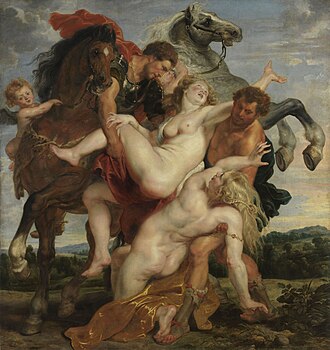 Der Raub der Töchter des Leukippos - Peter Paul Rubens (1618)
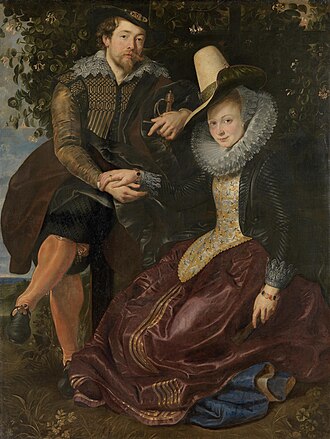 Rubens und Isabella Brant in der Geißblattlaube - Peter Paul Rubens (1600s)
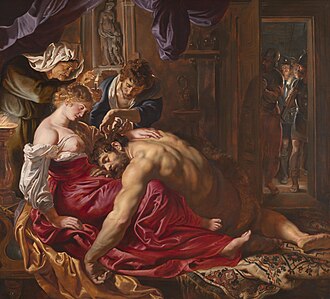 Samson und Delilah - Peter Paul Rubens (1600s)
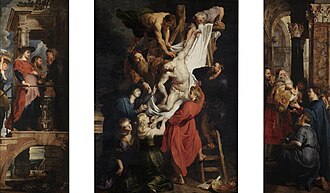 Kreuzabnahme - Peter Paul Rubens (1611)
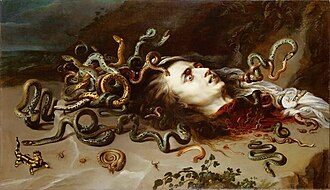 Haupt der Medusa - Peter Paul Rubens (1618)
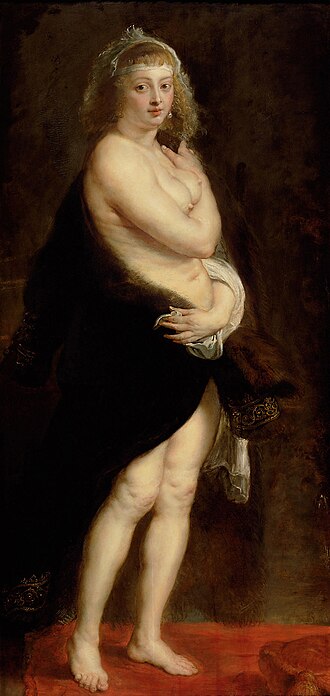 Helena Fourment - Peter Paul Rubens (1638)
.jpg) Der Liebesgarten - Peter Paul Rubens (1632)
Der Liebesgarten - Peter Paul Rubens (1632)
Werke verwandter Künstler
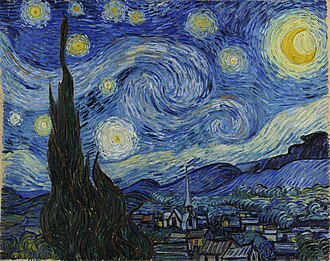 Die Sternennacht - Vincent van Gogh (1889)
.jpg) Caféterrasse am Abend - Vincent van Gogh (1888)
Caféterrasse am Abend - Vincent van Gogh (1888)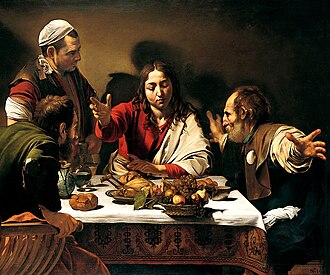 Das Abendmahl in Emmaus - Caravaggio (1601)
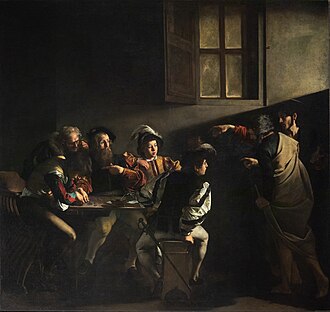 Die Berufung des Hl. Matthäus - Caravaggio (1609)
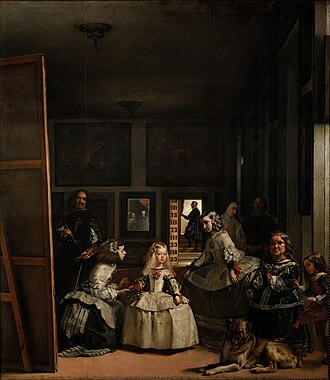 Las Meninas - Diego Velázquez (1656)
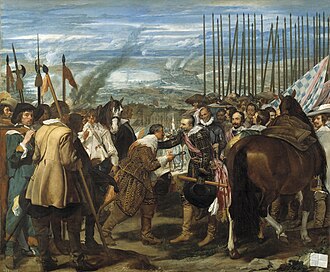 Die Übergabe von Breda - Diego Velázquez (1635)
%20-%20Google%20Art%20Project.jpg) Dreifachporträt von Karl I. - Anthony van Dyck (1635)
Dreifachporträt von Karl I. - Anthony van Dyck (1635)%20with%20M.%20de%20St%20Antoine%20-%20Google%20Art%20Project.jpg) Karl I mit M. de St. Antoine - Anthony van Dyck (1636)
Karl I mit M. de St. Antoine - Anthony van Dyck (1636)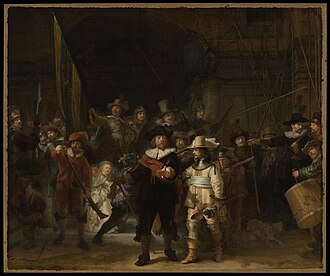 Die Nachtwache - Rembrandt van Rijn (1642)
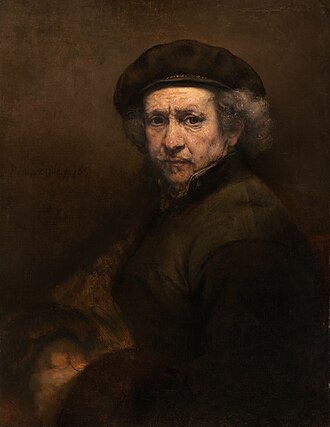 Selbstbildnis - Rembrandt van Rijn (1659)
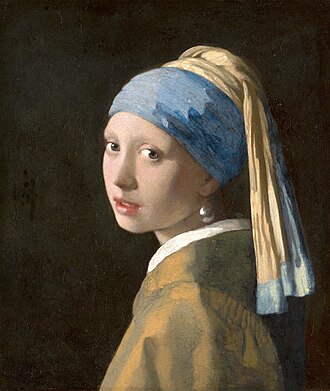 Das Mädchen mit dem Perlenohrgehänge - Johannes Vermeer (1665)
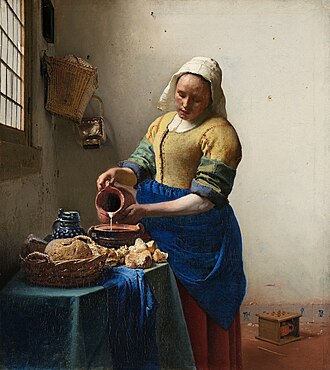 Dienstmagd mit Milchkrug - Johannes Vermeer (c. 1658)