Margaret Stonborough-Wittgenstein
Gustav Klimt · 1905
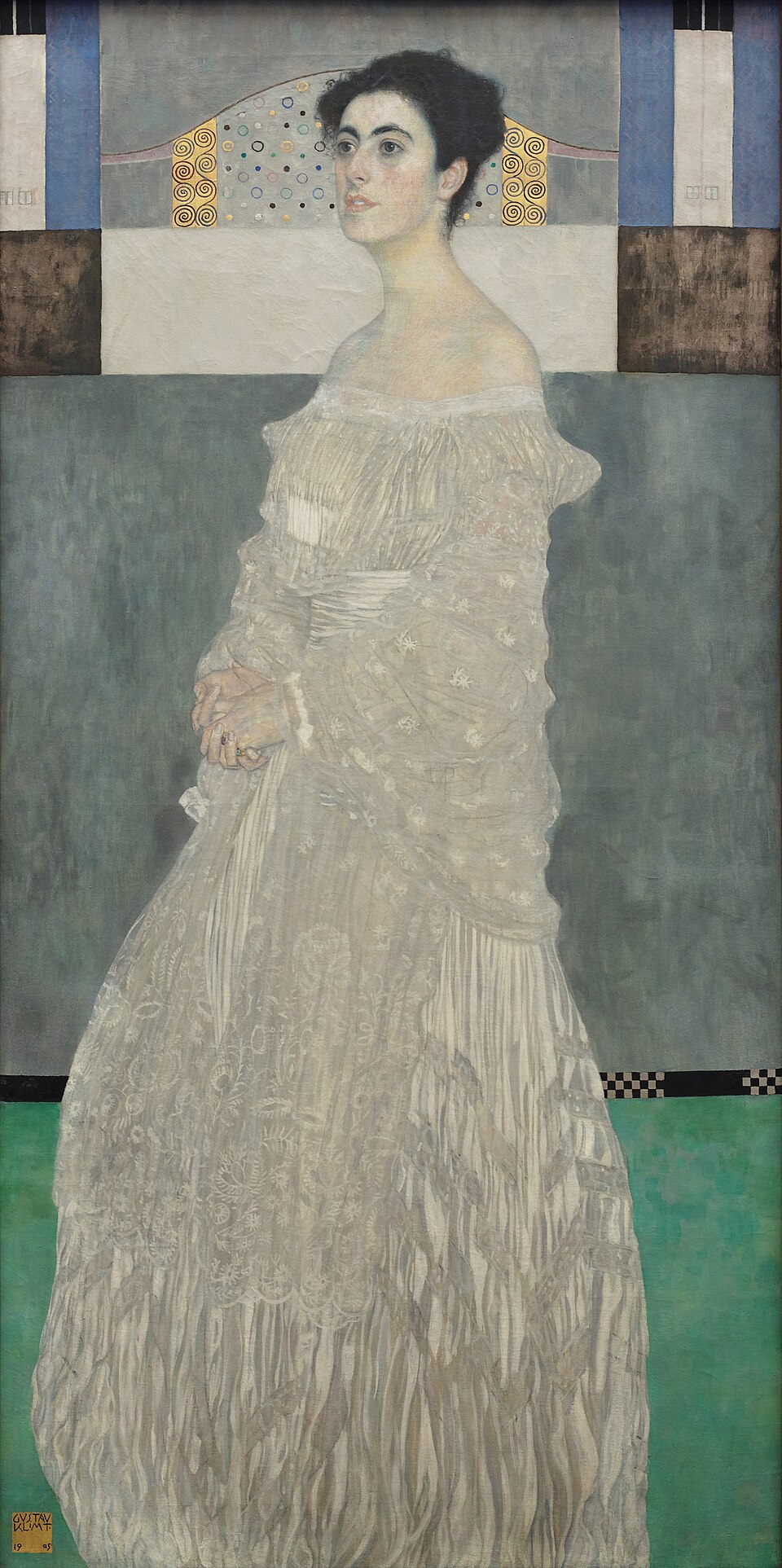
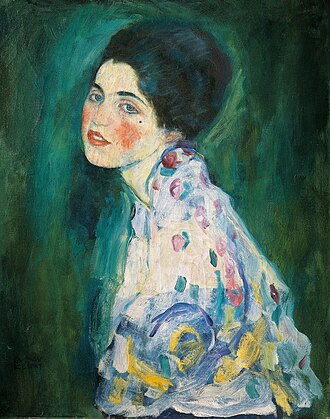
A bride-to-be stands in shimmering white before grey geometric shapes. Klimt painted Margaret Wittgenstein for her father just before her 1905 wedding. She did not like it, and the portrait ended up in an attic.
The story behind the painting
Margaret Wittgenstein was the fifth of the eight children of Karl Wittgenstein and Leopoldine Kalmus. Thanks to the fortune her father built in metal and steel, the family was among the richest in the whole Austro-Hungarian empire, and it supported musicians and painters. Karl Wittgenstein had financed the building of the Secession Palace in Vienna and Klimt's panel Philosophy. On 7 January 1905 Margaret married the New York industrialist Jerome Stonborough, which is why her name is often spelled the English way. Just before the wedding, her father commissioned Klimt to paint her.
What to look for
The oil on canvas is tall and narrow, about 180 by 90.5 cm. Margaret stands in three-quarter view, in a formal pose, wearing a white dress of iridescent velvet and a white stole embroidered with flowers. Look past her to the background: architectural shapes in mostly grey tones, typical of Klimt. The painting sits between two worlds, as the source puts it, a compromise between naturalism in the figure and geometric decoration around her. Let your eye move between the soft white of the dress and the hard grey blocks.
Meaning and intent
The portrait was a father's wedding commission, a way for one of Vienna's great patrons to honour his daughter with the painter he had long supported. It is considered one of Klimt's most remarkable and most concentrated works. Yet the woman it was made for did not share that view. The source is clear that the painting did not please her, and that it was put away in an attic. The gap between the critics' praise and the sitter's own low opinion is part of the story of this picture.
Legacy
The portrait stayed out of sight for decades. In 1960, after Margaret Stonborough-Wittgenstein's death, it was bought by the Neue Pinakothek in Munich, where it is shown today. Wikidata lists the holder as the Bavarian State Painting Collections, the body that runs the Neue Pinakothek. A painting its sitter disliked enough to store in an attic now hangs in a public museum, admired as one of the most focused portraits Klimt ever made.
Schon gewusst?
- Commissioned by Karl Wittgenstein from Klimt in 1905.
- Painted just before Margaret's wedding on 7 January 1905.
- Margaret disliked it and kept it in an attic.
- Bought by the Neue Pinakothek in Munich in 1960.
Über den Künstler
Gustav Klimt (1862-1918)
Porträt · Bayerische Staatsgemäldesammlungen
Mehr von Gustav Klimt
 Der Kuss - Gustav Klimt (1907-1908)
 Adele Bloch-Bauer I - Gustav Klimt (1907)
 Danaë - Gustav Klimt (1907)
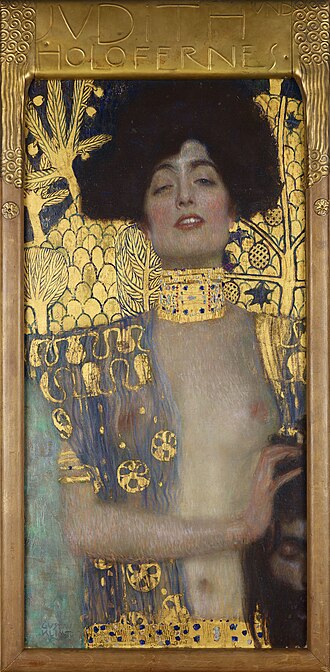 Judith I - Gustav Klimt (1901)
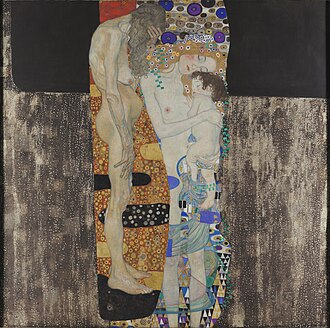 Die drei Lebensalter einer Frau - Gustav Klimt (1905)
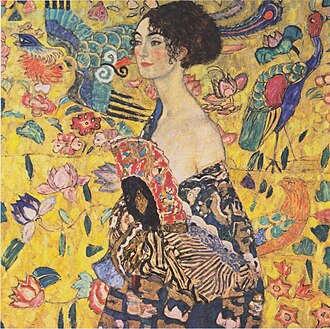 Dame mit Fächer - Gustav Klimt (1917)
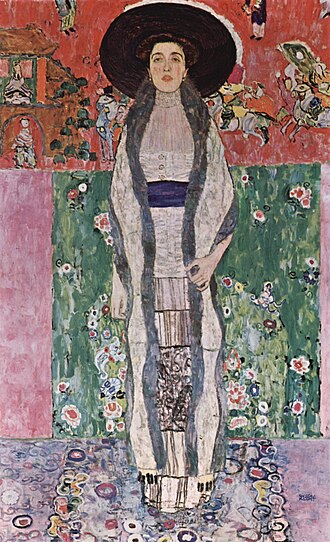 Bildnis Adele Bloch-Bauer II - Gustav Klimt (1912)
 Porträt einer Dame - Gustav Klimt (1910s)