Portrait Miniature of Hans Schwarzwaldt
Hans Holbein the Younger · 1540
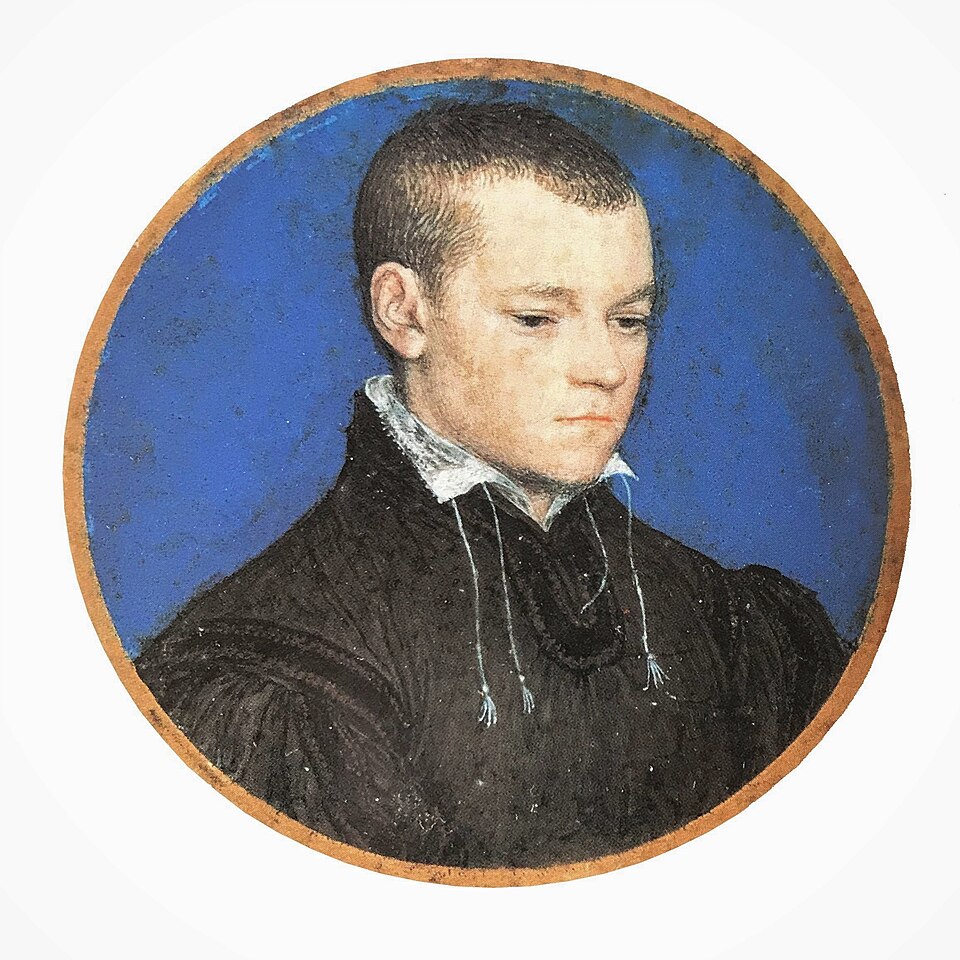
A young man with cropped hair and lowered eyes, painted in watercolour on vellum against clear blue. Holbein left no name, and historians have argued for more than a century about who he was.
The story behind the painting
Holbein painted this tiny portrait around 1535 to 1540, the dating proposed by Roy Strong. In 1903 Sir Richard Holmes identified it as Holbein's work among the miniatures of English origin owned by the Queen of the Netherlands. He thought the youth, apparently fifteen or sixteen, might belong to the family of a Hanseatic merchant of the Steelyard in London. Its provenance runs from Queen Sophie, first wife of William III of the Netherlands, by descent to Juliana of the Netherlands, and it remains in the Royal Collections.
What to look for
Only the head and shoulders are shown, turned three-quarters to the right, the eyes cast down. The light brown hair is close cropped, a style seen in other Holbein portraits of around 1540. The sitter wears a brown doublet trimmed with black and a small open falling collar with white strings. There is no inscription. Notice how the clear blue background makes the face stand out. George Williamson and Arthur Chamberlain both felt the clothing and features looked English rather than German.
Meaning and intent
The name comes from a second miniature found in 1913 in the Danzig Stadtmuseum, inscribed with the sitter's age of 24 in 1543. A local tradition linked it to the Schwarzwald merchant family, and in 2003 the sitter here was named Hans II Schwarzwaldt for the strong resemblance. Yet Hans II was 30 in 1543, not 24, so the ages do not match. In 2016 Teri Fitzgerald and Diarmaid MacCulloch proposed Gregory Cromwell, son of Henry VIII's minister Thomas Cromwell, who was the right age and rank, with the same upturned nose as his father.
Legacy
Roy Strong argued that two miniatures of one sitter suggest a person of exceptional importance. Gregory Cromwell married Elizabeth Seymour, sister of Queen Jane Seymour, in 1537, and his father's accounts for January 1538 record a payment to Hanns the painter. The Danzig miniature, possibly Holbein's last work, was looted in 1943, taken by the Red Army in 1945, and is now in Moscow's Pushkin Museum, subject to restitution requests by Poland. This quiet face thus sits at the centre of a long detective story.
Schon gewusst?
- Watercolour on vellum, about 1535 to 1540.
- Identified as Holbein's work in 1903.
- The sitter may be Hans Schwarzwaldt or Gregory Cromwell.
- In the Royal Collections of the Netherlands.
Über den Künstler
Hans Holbein the Younger (1497-1543)
Mehr von Hans Holbein the Younger
 Die Gesandten - Hans Holbein the Younger (1533)
 Der Leichnam Christi im Grabe - Hans Holbein the Younger (1520s)
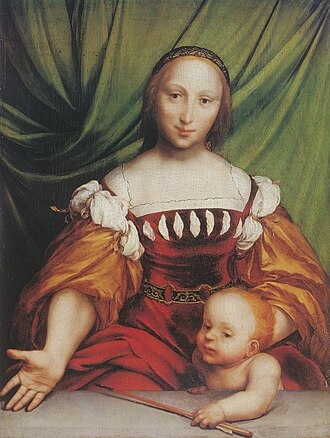 Venus mit dem Amorknaben - Hans Holbein the Younger (1526)
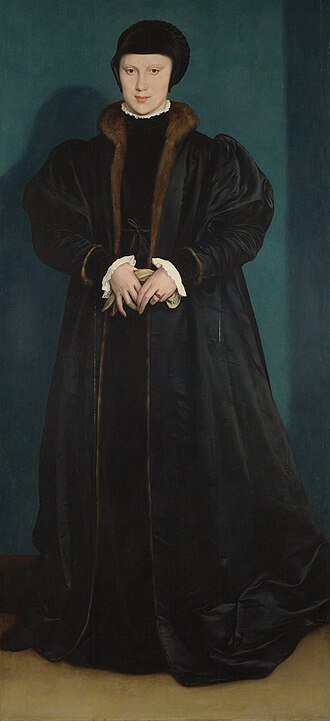 Christina of Denmark, Duchess of Milan - Hans Holbein the Younger (1538)
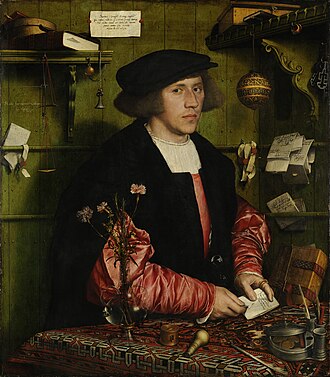 Der Kaufmann Georg Gisze - Hans Holbein the Younger (1532)
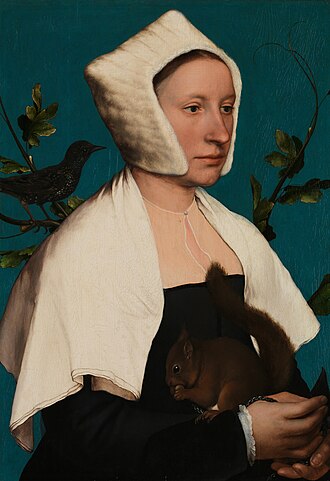 A Lady with a Squirrel and a Starling - Hans Holbein the Younger (1520s)
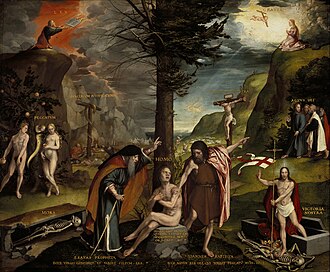 Allegorie des Alten und Neuen Testaments - Hans Holbein the Younger (1530)
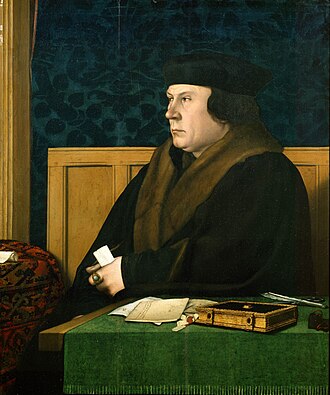 Thomas Cromwell - Hans Holbein the Younger (1530s)
Werke verwandter Künstler
 Die Jäger im Schnee - Pieter Bruegel the Elder (1565)
 Die niederländischen Sprichwörter - Pieter Bruegel the Elder (1551)
 Der Garten der Lüste - Hieronymus Bosch
 Das Narrenschiff - Hieronymus Bosch (1500s)
 Arnolfini-Porträt - Jan van Eyck (1434)
 Genter Altar - Jan van Eyck (1432)