Lord Ribblesdale
John Singer Sargent · 1902
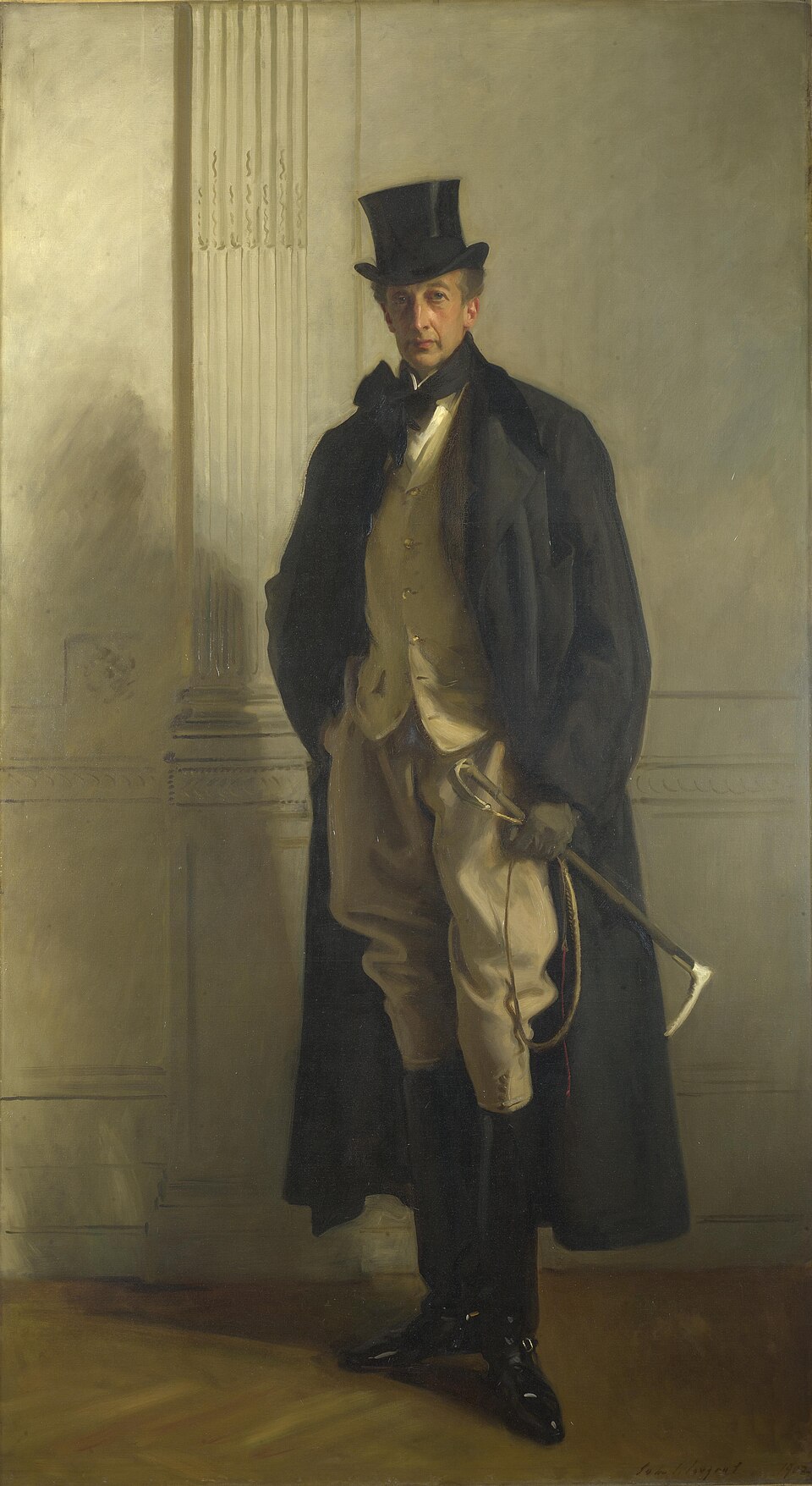
Tall, thin, in a black top hat and a vast black coat, Lord Ribblesdale stands against a white wall as if he owned the century. Sargent asked to paint him. Ribblesdale later said the portrait forced greatness upon him.
The story behind the painting
Thomas Lister became the fourth and last Baron Ribblesdale in 1876, aged 22. He supported the Liberal Party in the House of Lords and was Master of the Queen's Buckhounds from 1892 to 1895. The portrait was not his idea. John Singer Sargent, already a popular society painter, saw him speaking in public in 1894 and offered to paint him. Sargent only started in 1899 and finished in 1902. An early oil sketch showed him on steps before a column; the final picture was painted in Sargent's studio in Tite Street, Chelsea.
What to look for
Sargent first meant to show him in court livery, but chose his practical ratcatcher hunting clothes instead. He stands on a plain parquet floor before white panelling, a hunting whip in his grey-gloved left hand, the other hand on his hip. Over a yellow waistcoat, brown jacket and buff breeches falls a huge black Chesterfield overcoat. The tall hat, the fluted pilaster, the long silhouette, a lengthened nose and a head small for the body all stress his height and thinness. The canvas is about 258 by 144 cm.
Meaning and intent
The historian David Starkey chose it as his favourite painting in 2015, praising its angular, elongated format and black and white palette, like a super size Japanese print, and calling it the portrait of an age as well as the man. It is sometimes called The Ancestor, after a nickname Edward VII gave Ribblesdale for his archaic speech, dress and old lineage, the very picture of an old fashioned English gentleman. Ribblesdale said the painting forced greatness upon him, because wherever he went, he was recognised.
Legacy
The portrait was shown at the Royal Academy in 1902 and the Paris Salon in 1903. Behind its swagger lies grief. In 1916 Ribblesdale gave it to the National Gallery in London in memory of his first wife Charlotte, who died in 1911, and their two sons: Thomas, killed in the Dervish War of 1903 to 1904, and Charles, who died of wounds at Gallipoli in 1916. Though he remarried, he had no male heir, and the barony ended with his death in 1925.
Schon gewusst?
- Painted 1899-1902 after Sargent asked to paint the sitter.
- Shown at the Royal Academy in 1902.
- Sometimes called The Ancestor.
- Given to the National Gallery in 1916 in memory of his wife and sons.
Über den Künstler
John Singer Sargent (1856-1925)
Mehr von John Singer Sargent
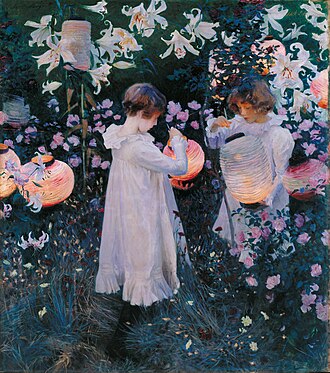 Nelke, Lilie, Lilie, Rose - John Singer Sargent (1885-1886)
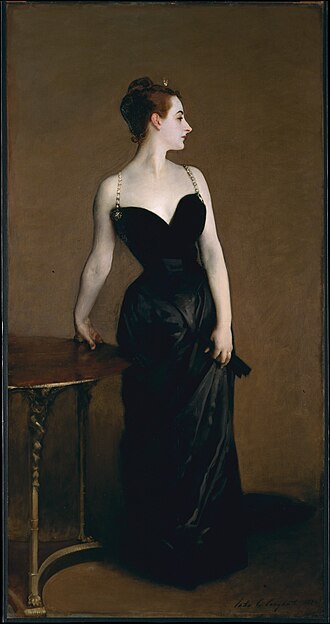 Madame X - John Singer Sargent (1884)
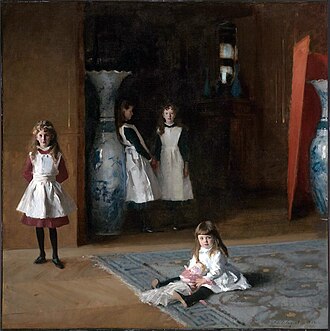 Die Töchter des Edward Darley Boit - John Singer Sargent (1882)
.jpg) Gassed - John Singer Sargent (1919)
Gassed - John Singer Sargent (1919).jpeg) Lady Agnew of Lochnaw - John Singer Sargent (1892)
Lady Agnew of Lochnaw - John Singer Sargent (1892)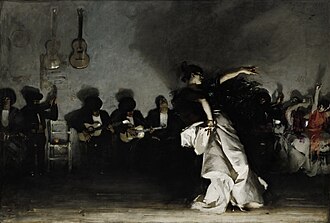 El Jaleo - John Singer Sargent (1882)
.jpg) Straße in Venedig - John Singer Sargent (1882)
Straße in Venedig - John Singer Sargent (1882)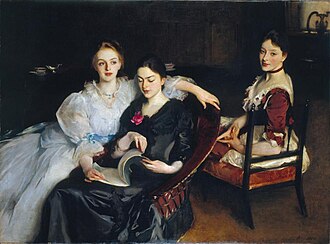 The Misses Vickers - John Singer Sargent (1884)
Werke verwandter Künstler
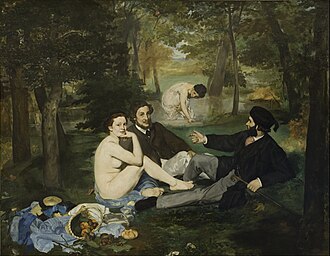 Das Frühstück im Grünen - Édouard Manet (1863)
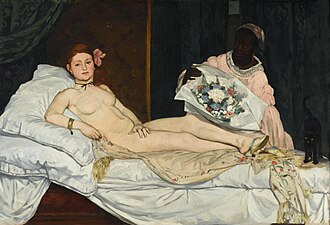 Olympia - Édouard Manet (1863)
 Der Ursprung der Welt - Gustave Courbet (1866)
 Ein Begräbnis in Ornans - Gustave Courbet (2020)
 Die letzte Fahrt der Temeraire - J. M. W. Turner (1839)
 Rain, Steam and Speed - The Great Western Railway - J. M. W. Turner (1844)
 Der Schwur der Horatier - Jacques-Louis David (1784)
.jpg) The Intervention of the Sabine Women - Jacques-Louis David (1799)
The Intervention of the Sabine Women - Jacques-Louis David (1799)