Die Folgen des Krieges
Peter Paul Rubens · 1637
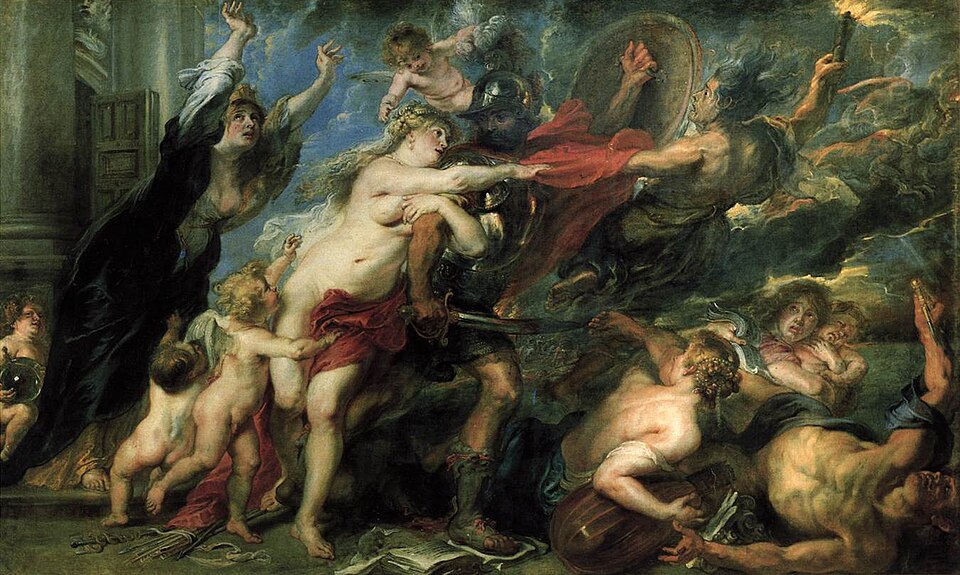
Venus clings to Mars, begging him to stay, but a Fury drags him on with a torch. Rubens, a painter who also worked for peace as a diplomat, poured his despair at the Thirty Years' War into one crowded canvas.
The story behind the painting
Rubens painted Consequences of War, also called the Horrors of War, for Ferdinando II de' Medici. Wikipedia dates it to 1638 and 1639, while Wikidata gives 1637. It is a response to the Thirty Years' War of 1618 to 1648, which drew in nearly every European state and left large areas of Europe destroyed, with pestilence, famine and heavy depopulation in the German states. Rubens knew this war from the inside: as a court painter he travelled between monarchs, carrying messages between Philip IV of Spain and Charles I of England in the hope of peace, and Charles knighted him for it.
What to look for
At the centre Mars, the Roman god of war, charges forward with shield and sword, his skin and cape dominated by red. Venus, his lover, loops her arm around his and pleads with him, helped by little Cupids. On the left the door of the Temple of Janus stands ajar, the Roman sign of war. The Fury Alekto pulls Mars onward with a raised torch, followed by monsters of Pestilence and Famine. On the ground lie a book and a drawing, a woman with a broken lute, a mother clutching her child, a fallen architect, scattered arrows, an olive branch and a caduceus.
Meaning and intent
Every figure carries a meaning. The trampled book and drawing show the arts and letters destroyed by war. The broken lute is Harmony's discord. The mother and child show, in Rubens's own words, that war corrupts, disrupts and destroys everything, including procreation and charity. The fallen architect means destruction instead of creation. Loose arrows are Concord undone; the olive branch and caduceus, symbols of peace, lie abandoned. And the woman in black at Venus's left is Europe herself, suffering, her cross-topped globe carried by a small angel. It is a painting of grief disguised as mythology.
Legacy
The work is seen as a height of Flemish Baroque painting, a style that blends Italian sources into something Rubens made his own. The muscular Mars, Alekto and architect recall Michelangelo; Venus echoes Titian, above all the Venus of Urbino; and the crowded drama recalls Annibale Carracci's Loves of the Gods, as does Rubens's use of colour, light and shadow rather than line to build space. Wikidata places the painting in the Galleria Palatina in Florence. Painted for a Medici prince while Europe burned, it remains one of the most direct pleas against war in Baroque art.
Schon gewusst?
- Painted for Ferdinando II de' Medici; dated 1638-1639 by Wikipedia, 1637 by Wikidata.
- A response to the Thirty Years' War (1618-1648).
- The woman in black represents a suffering Europe.
- Held in the Galleria Palatina, Florence.
Über den Künstler
Peter Paul Rubens (1577-1640)
Barock · Allegorie · Buch · Venus · Galleria Palatina · Mars
Mehr von Peter Paul Rubens
.jpg) Die Aufrichtung des Kreuzes - Peter Paul Rubens (1609)
Die Aufrichtung des Kreuzes - Peter Paul Rubens (1609)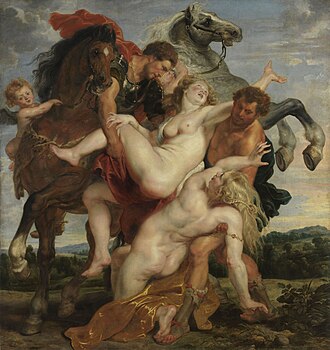 Der Raub der Töchter des Leukippos - Peter Paul Rubens (1618)
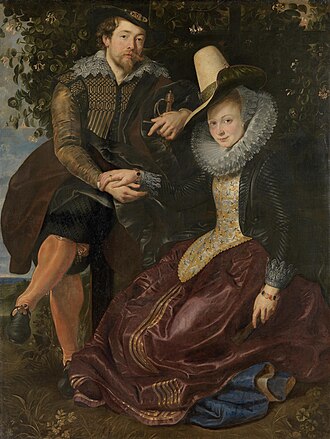 Rubens und Isabella Brant in der Geißblattlaube - Peter Paul Rubens (1600s)
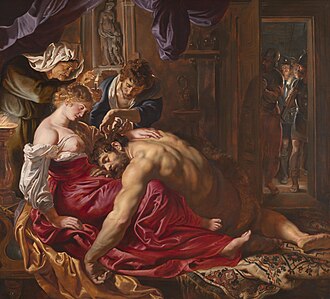 Samson und Delilah - Peter Paul Rubens (1600s)
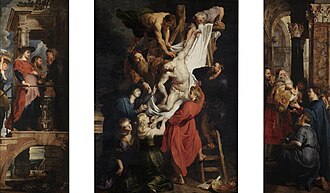 Kreuzabnahme - Peter Paul Rubens (1611)
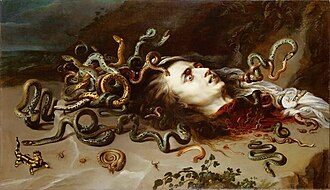 Haupt der Medusa - Peter Paul Rubens (1618)
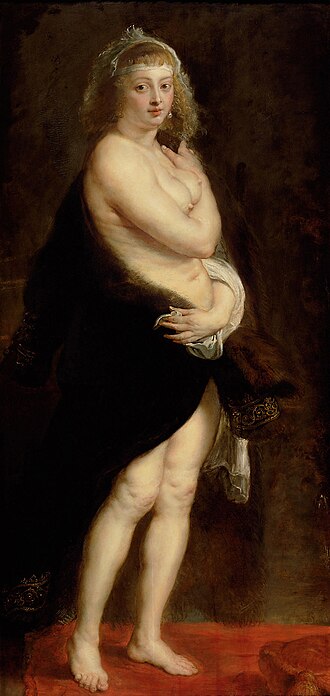 Helena Fourment - Peter Paul Rubens (1638)
.jpg) Der Liebesgarten - Peter Paul Rubens (1632)
Der Liebesgarten - Peter Paul Rubens (1632)
Werke verwandter Künstler
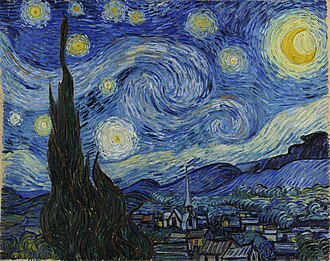 Die Sternennacht - Vincent van Gogh (1889)
.jpg) Caféterrasse am Abend - Vincent van Gogh (1888)
Caféterrasse am Abend - Vincent van Gogh (1888)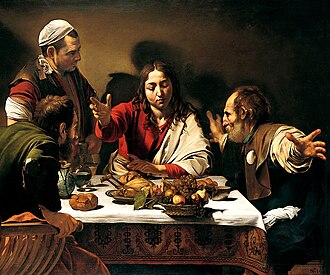 Das Abendmahl in Emmaus - Caravaggio (1601)
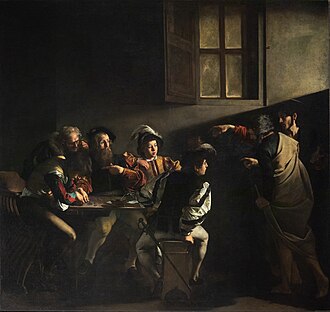 Die Berufung des Hl. Matthäus - Caravaggio (1609)
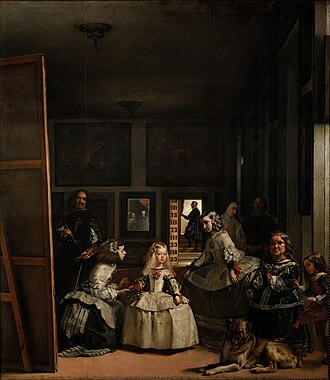 Las Meninas - Diego Velázquez (1656)
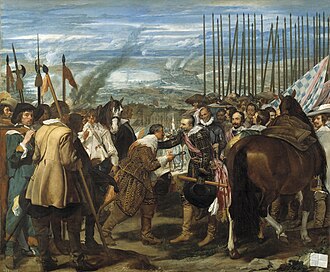 Die Übergabe von Breda - Diego Velázquez (1635)
%20-%20Google%20Art%20Project.jpg) Dreifachporträt von Karl I. - Anthony van Dyck (1635)
Dreifachporträt von Karl I. - Anthony van Dyck (1635)%20with%20M.%20de%20St%20Antoine%20-%20Google%20Art%20Project.jpg) Karl I mit M. de St. Antoine - Anthony van Dyck (1636)
Karl I mit M. de St. Antoine - Anthony van Dyck (1636)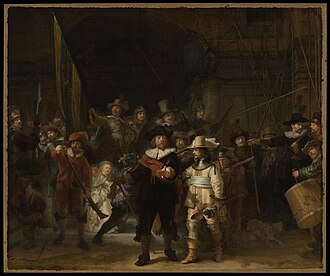 Die Nachtwache - Rembrandt van Rijn (1642)
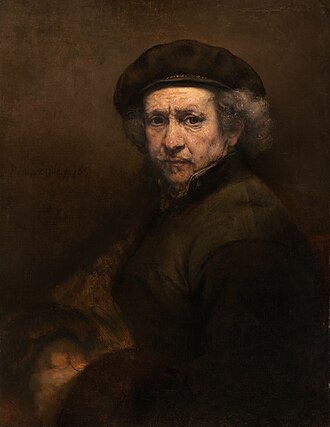 Selbstbildnis - Rembrandt van Rijn (1659)
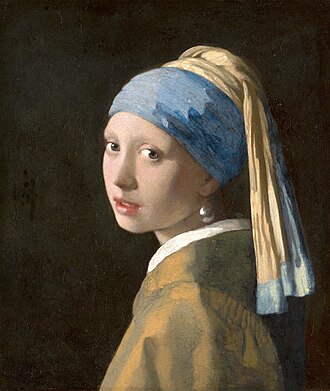 Das Mädchen mit dem Perlenohrgehänge - Johannes Vermeer (1665)
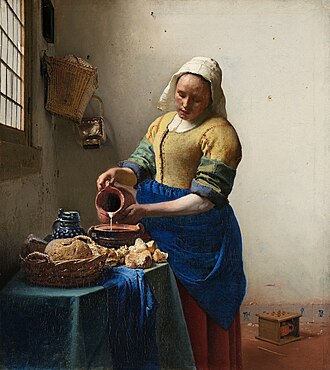 Dienstmagd mit Milchkrug - Johannes Vermeer (c. 1658)