Water Serpents II
Gustav Klimt · 1900s
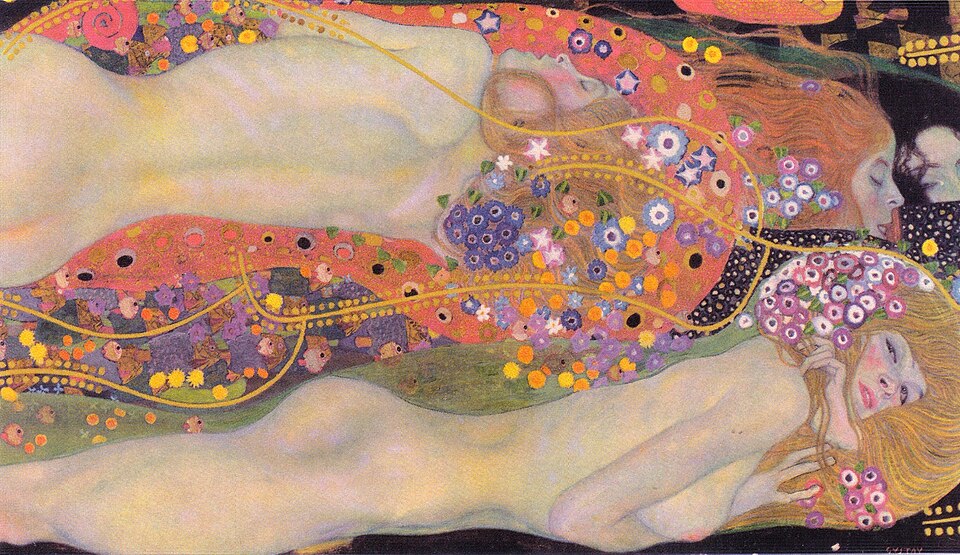
Four water nymphs drift in gold and pattern, one turning a frank, sensual gaze toward us. Klimt's Water Serpents II was seized by the Nazis, hidden on a filmmaker's wall for decades, and brought back before the public in 2022.
The story behind the painting
Klimt began the oil on canvas in 1904 and finished it in 1906 or 1907, according to Wikipedia; Wikidata only dates it to the 1900s. It was commissioned by and belonged to Jenny Steiner, the daughter of a Viennese industrialist. The painting closes a series in which water nymphs are the subject, including Moving Water of 1898, Medicine of 1901, Goldfish of 1902 and Water Serpents I of 1904. Like the first Water Serpents, this follow-up deals with the sensuality of women's bodies and with relationships between women, themes Klimt pursued throughout these years in Vienna.
What to look for
Find the four nymphs. Two lie in the foreground in full nudity, wrapped in the flowing ornament of the water. The other two appear in the top right corner, where only their heads are visible. The main figure looks straight out at the viewer with a sensual glare, a look often compared to the gaze of Manet's Olympia. Her body is shown openly, which was daring for its time. Let your eye move between the long, horizontal sweep of the bodies and the dense patterning around them, where water, hair and decoration seem to merge into one shimmering surface.
Meaning and intent
The picture can be read simply as mythical figures, a subject common in art for centuries. It has also been interpreted as a scene of desire between women. Because same-sex relationships were not accepted at the time, this reading suggests Klimt disguised the women as mythological nymphs. The direct gaze and the openness of the main figure support that interpretation. The painting is seen as a forerunner of later works such as Women Friends of 1917, where Klimt showed relationships between women more openly. Either way, it celebrates bodies and pleasure without shame.
Legacy
Jenny Steiner was Jewish and had to flee Vienna for Portugal in 1938. The Nazis confiscated the painting and gave it to the filmmaker Gustav Ucicky, rumoured to be one of Klimt's illegitimate children. It hung in his Vienna apartment, considered lost, and passed to his widow Ursula in 1961. In 2012 an agreement mediated by the Vienna Jewish Community with Steiner's heirs allowed it to leave Austria, and the heirs founded the New Klimt Foundation. Later resales led to a dispute and lawsuits between the collector Dmitry Rybolovlev and the dealer Yves Bouvier. The work returned to public view in Amsterdam and at the Belvedere in Vienna in 2022 and 2023.
豆知識
- Begun in 1904, finished in 1906 or 1907.
- Commissioned by Jenny Steiner of Vienna.
- Confiscated by the Nazis after Steiner fled in 1938.
- Shown at the Van Gogh Museum and the Belvedere in 2022-2023.
画家について
Gustav Klimt (1862-1918)
同じ画家の作品: Gustav Klimt
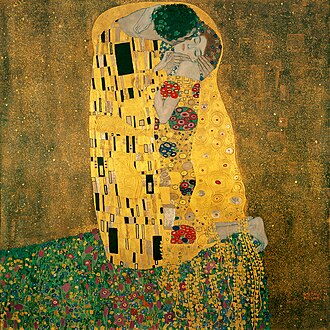 接吻 - Gustav Klimt (1907-1908)
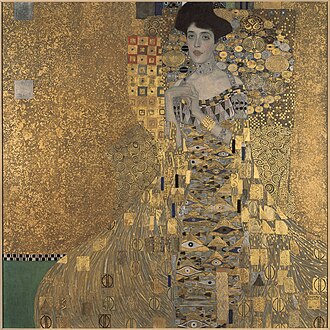 アデーレ・ブロッホ=バウアーの肖像 I - Gustav Klimt (1907)
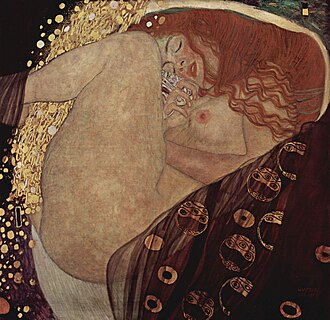 ダナエ - Gustav Klimt (1907)
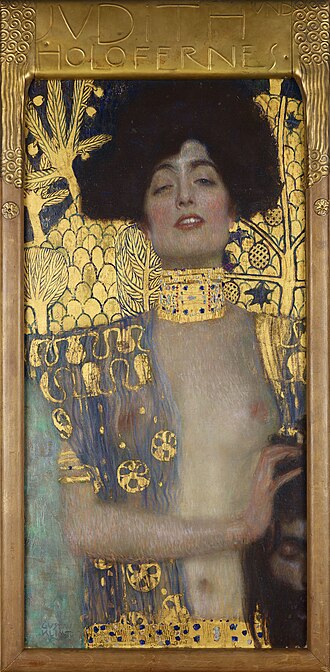 ユディト - Gustav Klimt (1901)
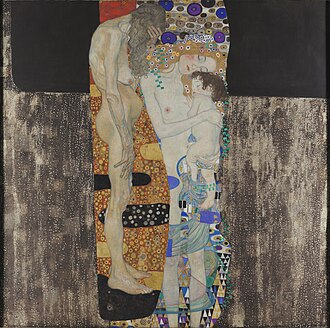 The Three Ages of Woman - Gustav Klimt (1905)
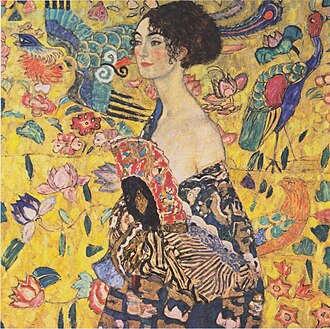 扇を持つ女 - Gustav Klimt (1917)
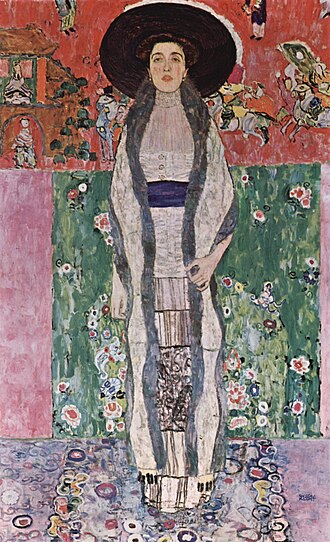 Adele Bloch-Bauer II - Gustav Klimt (1912)
 婦人の肖像 - Gustav Klimt (1910s)