真昼の休息
Vincent van Gogh · 1890
%20-%20Google%20Art%20Project.jpg)
Two peasants rest beside a haystack at noon, their clogs set aside. Van Gogh painted this picture of perfect rest while he was living in an asylum.
The story behind the painting
Van Gogh painted The Siesta between December 1889 and January 1890, while he was interned in the mental asylum at Saint-Rémy-de-Provence in southern France. During this period he could not always work from life, and here he turned to an artist he deeply admired: the French painter Jean-François Millet, whose own picture of the siesta gave him his theme. Van Gogh's painting refers directly to Millet's work of the same name. The available sources say little more about the circumstances of this particular canvas, so its story is best told through what it is: a tribute, made in a difficult season, to an image of peaceful labour and rest.
What to look for
The painting is oil on canvas, 73 by 91 centimetres. Its subject is a midday pause in the fields: two peasants lie resting at noon beside a haystack, their clogs set aside, under an open sky. Look at how the field, the stacked hay and the sky fill the picture, and notice that nothing in it is hurried. Yet look too at the paint itself. As the sources note, even with such a peaceful subject the canvas radiates Van Gogh's well-known intensity - the calm of the scene is carried by a hand that is anything but still.
Meaning and intent
The Siesta is an act of homage. Van Gogh did not copy Millet in a mechanical sense; he took Millet's subject and translated it into his own language of colour and brushstroke. The theme itself - workers resting in the heat of the day - honours the dignity of rural labour, a subject close to both painters. That this image of untroubled sleep was made inside an asylum gives it a quiet poignancy, though the sources do not tell us what Van Gogh himself intended by it, and we should not put words in his mouth.
Legacy
The Siesta, also known in French as La méridienne, has been considered one of Van Gogh's masterpieces. It is in the permanent collection of the Musée d'Orsay in Paris; Wikidata also lists the Louvre's Department of Paintings among its holders, a reflection of how French national collections are organised. Visitors who stand before it meet two great painters at once: Millet, whose vision of peasant life inspired it, and Van Gogh, who reinvented that vision in the last year of his life.
豆知識
- Van Gogh painted it while interned in the asylum at Saint-Rémy-de-Provence.
- It refers directly to a siesta painting by Jean-François Millet.
- In French it is called La méridienne or La sieste.
画家について
Vincent van Gogh (1853-1890)
風俗美術 · オルセー美術館 · ルーヴル美術館絵画部門 · 空 · 畑 · 臥位 · 農民
同じ画家の作品: Vincent van Gogh
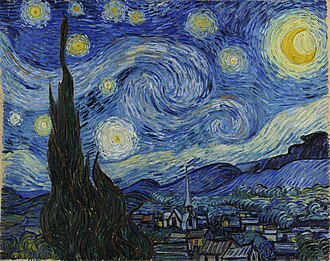 星月夜 - Vincent van Gogh (1889)
.jpg) 夜のカフェテラス - Vincent van Gogh (1888)
夜のカフェテラス - Vincent van Gogh (1888)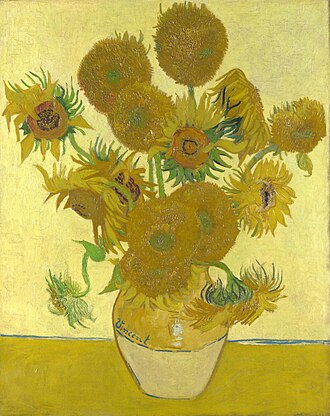 ひまわり - Vincent van Gogh (1888)
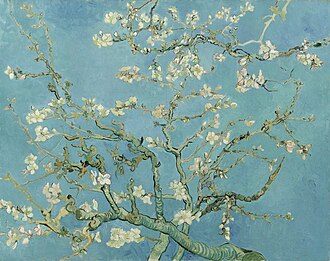 花咲くアーモンドの木の枝 - Vincent van Gogh (1890)
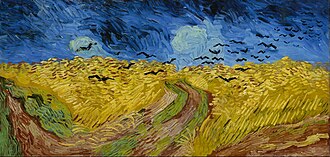 カラスのいる麦畑 - Vincent van Gogh (1890)
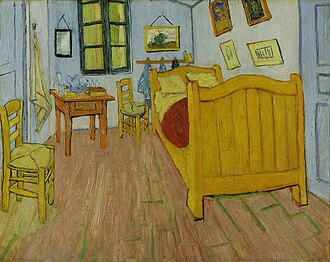 アルルの寝室 - Vincent van Gogh (1888)
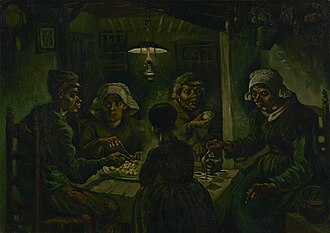 ジャガイモを食べる人々 - Vincent van Gogh (1885)
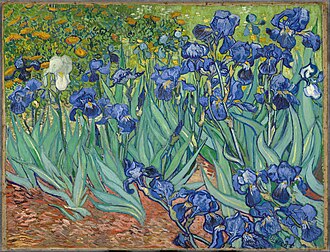 アイリス - Vincent van Gogh (1889)
関連する画家の作品
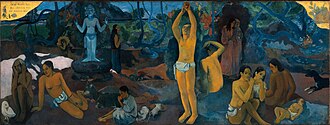 我々はどこから来たのか 我々は何者か 我々はどこへ行くのか - Paul Gauguin (1897-1898)
%201889.jpg) 黄色いキリスト - Paul Gauguin (1889)
黄色いキリスト - Paul Gauguin (1889)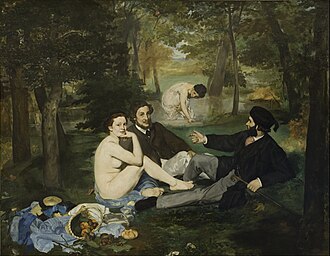 草上の昼食 - Édouard Manet (1863)
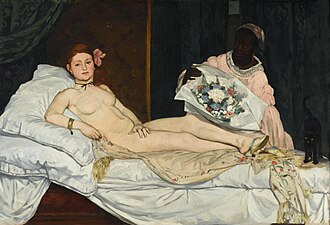 オランピア - Édouard Manet (1863)