画家の家族の肖像
Hans Holbein the Younger · 1528
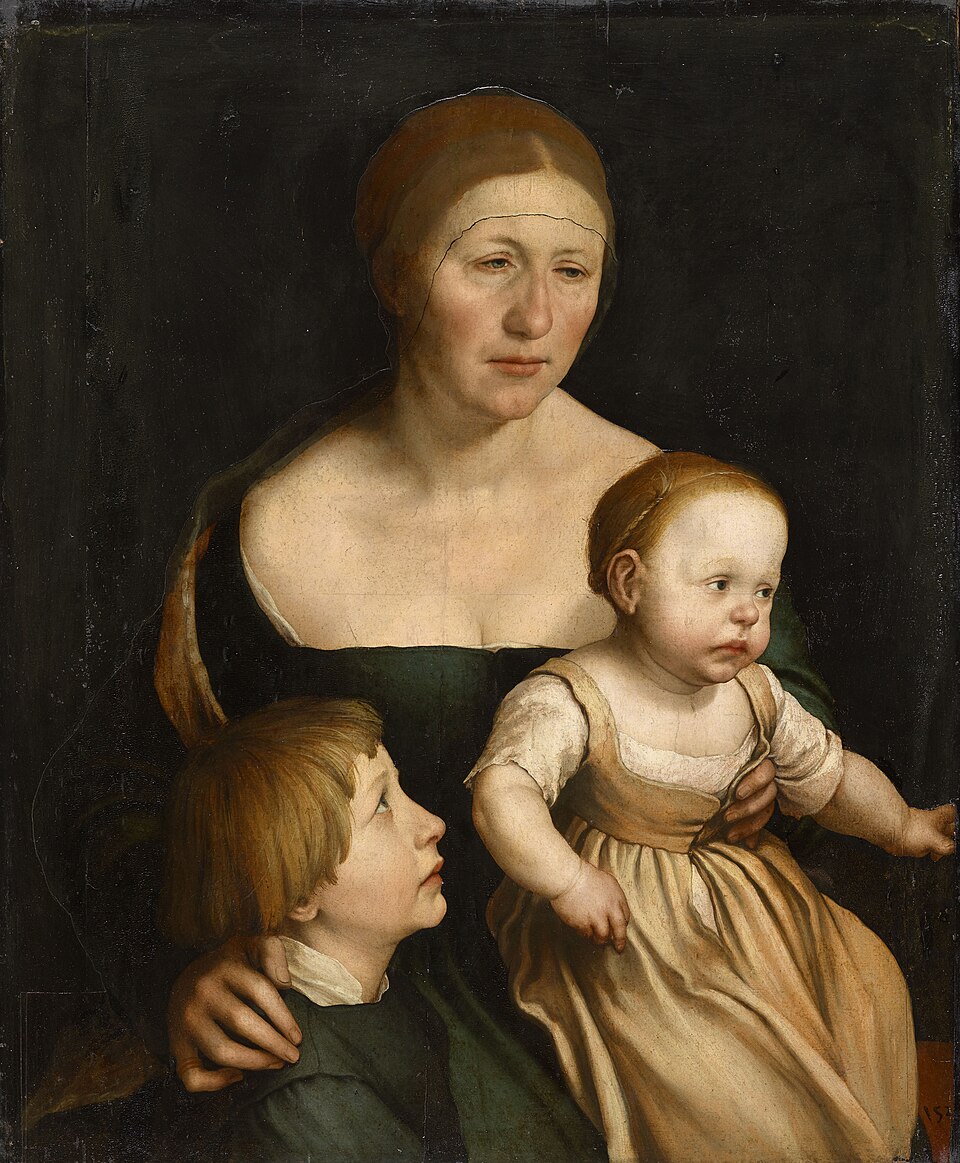
A mother with tired eyes holds her little daughter while her hand rests on her son's shoulder. Holbein painted his own wife and children in Basel, on strips of paper, and part of the picture has been cut away.
The story behind the painting
Hans Holbein the Younger painted his wife Elsbeth Binzenstock, their son Philipp and their daughter Katharina during a stay in Basel after returning from England. Wikipedia dates the work between 1528 and 1529, and Wikidata gives 1528. It is not a canvas or a panel in the usual sense: it was painted on paper and then glued onto wood. The family appears in modest clothing, a striking contrast with the riches Holbein had brought back to Basel from England. For several years the painting stayed with Elsbeth herself, within the family it portrays.
What to look for
Elsbeth sits on a bench with Katharina on her lap, her hand on Philipp's right shoulder. She is painted from the front, her gaze not fixed on anything, her bonnet covered by a transparent veil with a fine black border. The boy is in profile, looking up to the right. The girl faces left and seems to grasp something with her left hand that was probably on a piece now cut away; the fingertips of that hand are missing too. On the bench, lower right, the numbers 152 can be read, the last digit lost to the cut. Look closely and you may see the three horizontal paper strips the picture is made from.
Meaning and intent
Elsbeth wears a dark blue cloth with a rose scarf, close to the Virgin Mary in Holbein's Solothurn Madonna, which led the art historian Andreas Beyer to suggest the picture might be Holbein's own Holy Family. Infrared reflectography showed Philipp's head was first set lower, and some scholars think the composition was once larger, perhaps including the painter himself at work, or a woman resembling his Lais of Corinth. An early description by the painter Hans Asper supports the idea of a larger image. A drawing in the Albertina in Vienna shows the mother and children with such a woman.
Legacy
By 1543 the painting belonged to Hans Asper, a portrait painter in Zurich, who turned down several offers for it, including one from Basilius Amerbach. Only after Asper's death did it pass to Amerbach, through the pharmacist Georg Clauser. It is listed in the inventory of the Amerbach Cabinet in 1586, which the city of Basel bought in 1661, and it hangs today in the Kunstmuseum Basel. Asper seems to have answered it in a 1538 portrait of a woman where the two children become a cat and a dog, and a pastiche in Lille adds a religious note.
豆知識
- Painted on paper glued onto wood.
- Shows Holbein's wife Elsbeth and their children Philipp and Katharina.
- Part of the picture has been cut away.
- In Basel's public collection since the city bought the Amerbach Cabinet in 1661.
画家について
Hans Holbein the Younger (1497-1543)
女性 · 肖像 · 少年 · 少女 · 集団肖像画 · 家族 · バーゼル市立美術館
同じ画家の作品: Hans Holbein the Younger
 大使たち - Hans Holbein the Younger (1533)
 墓の中のキリストの屍 - Hans Holbein the Younger (1520s)
 デンマークのクリスティーナ、ミラノ公妃 - Hans Holbein the Younger (1538)
 ゲオルク・ギーゼの肖像 - Hans Holbein the Younger (1532)
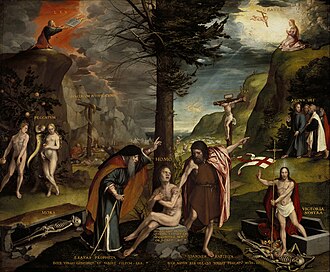 An Allegory of the Old and New Testaments - Hans Holbein the Younger (1530)
01.jpg) Thomas Cromwell - Hans Holbein the Younger (1530s)
Thomas Cromwell - Hans Holbein the Younger (1530s)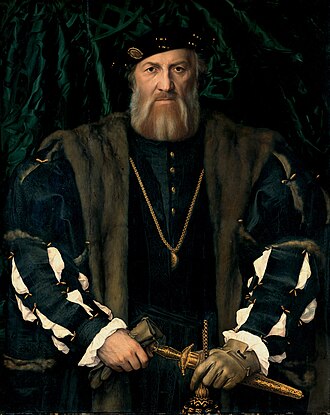 Charles de Solier, Sieur de Morette - Hans Holbein the Younger (1530s)
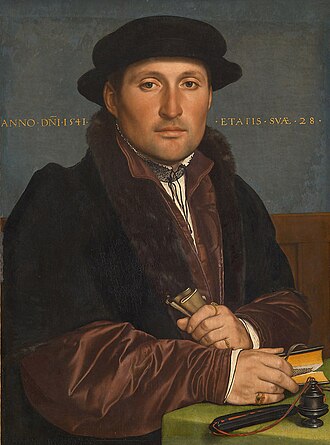 Portrait of a Young Merchant - Hans Holbein the Younger (1541)
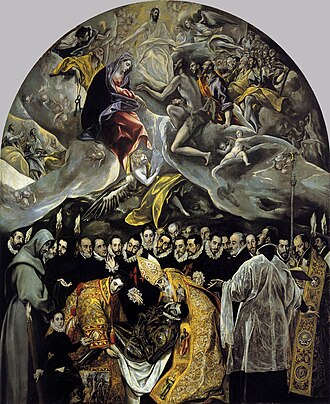 オルガス伯の埋葬
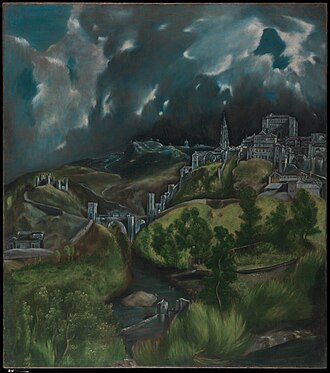 トレドの風景
.jpg) ウルビーノのヴィーナス
ウルビーノのヴィーナス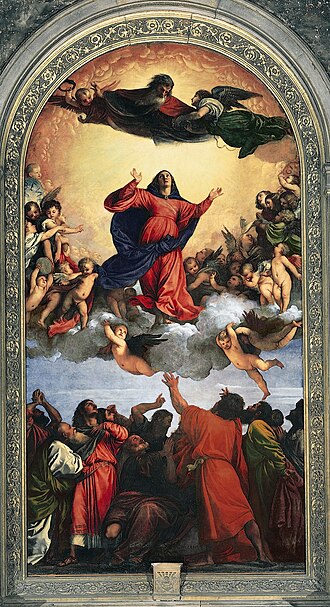 聖母被昇天
聖母被昇天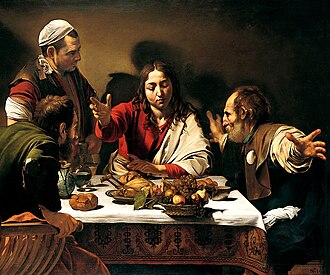 エマオの晩餐
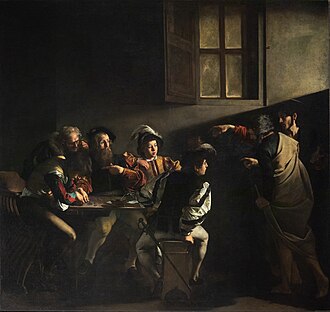 聖マタイの召命